What the Housing Means for Your Door
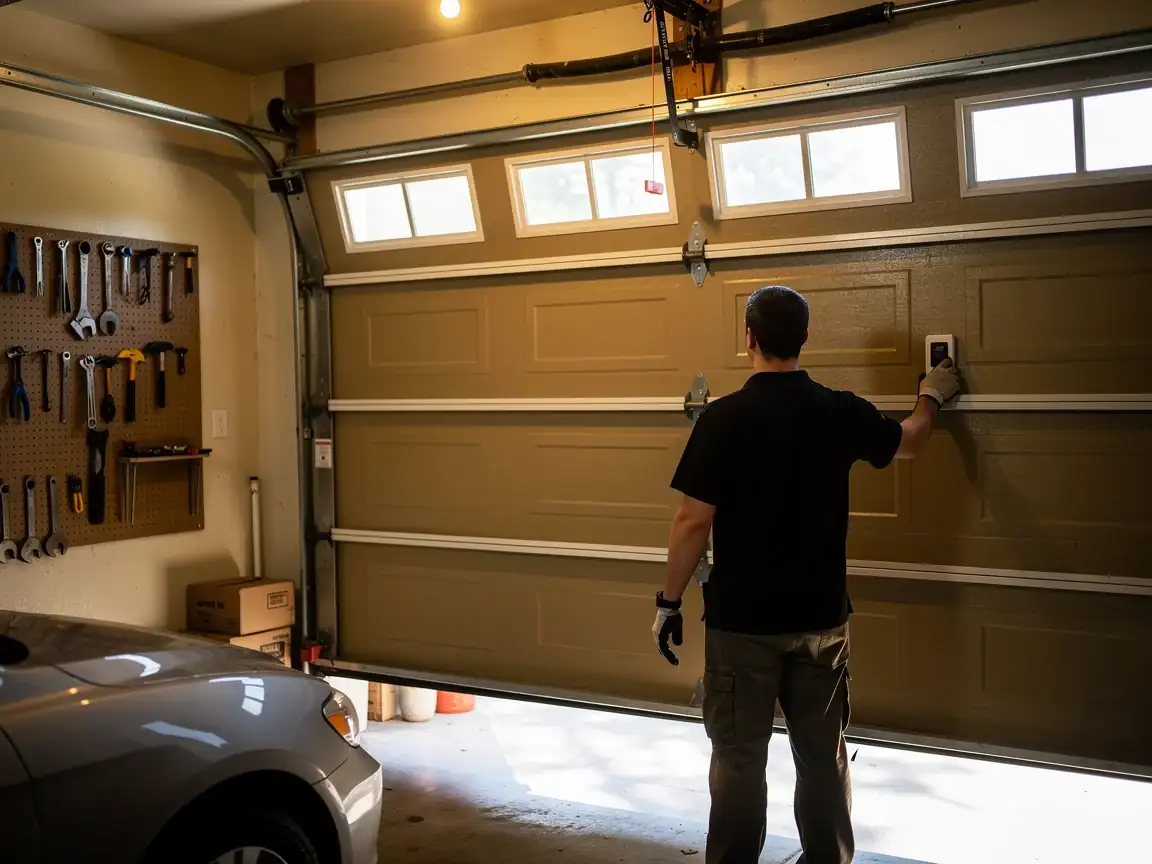
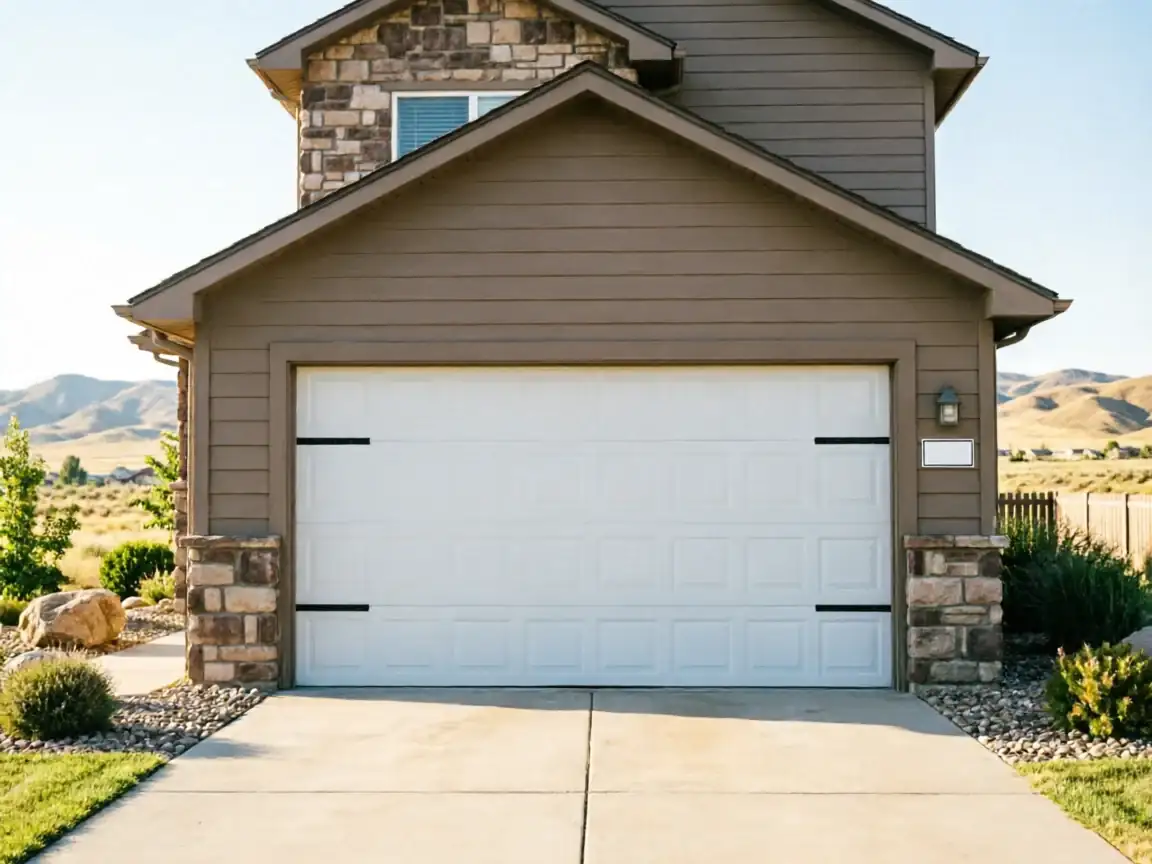
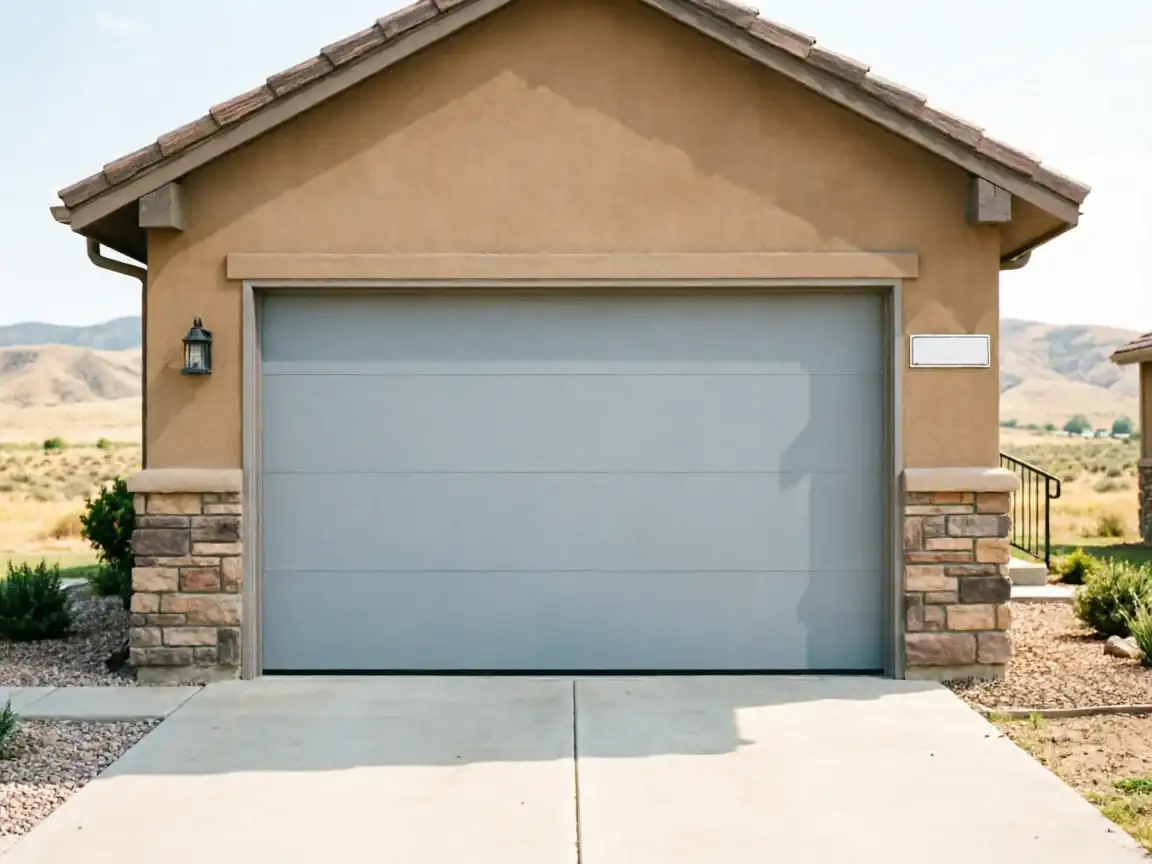
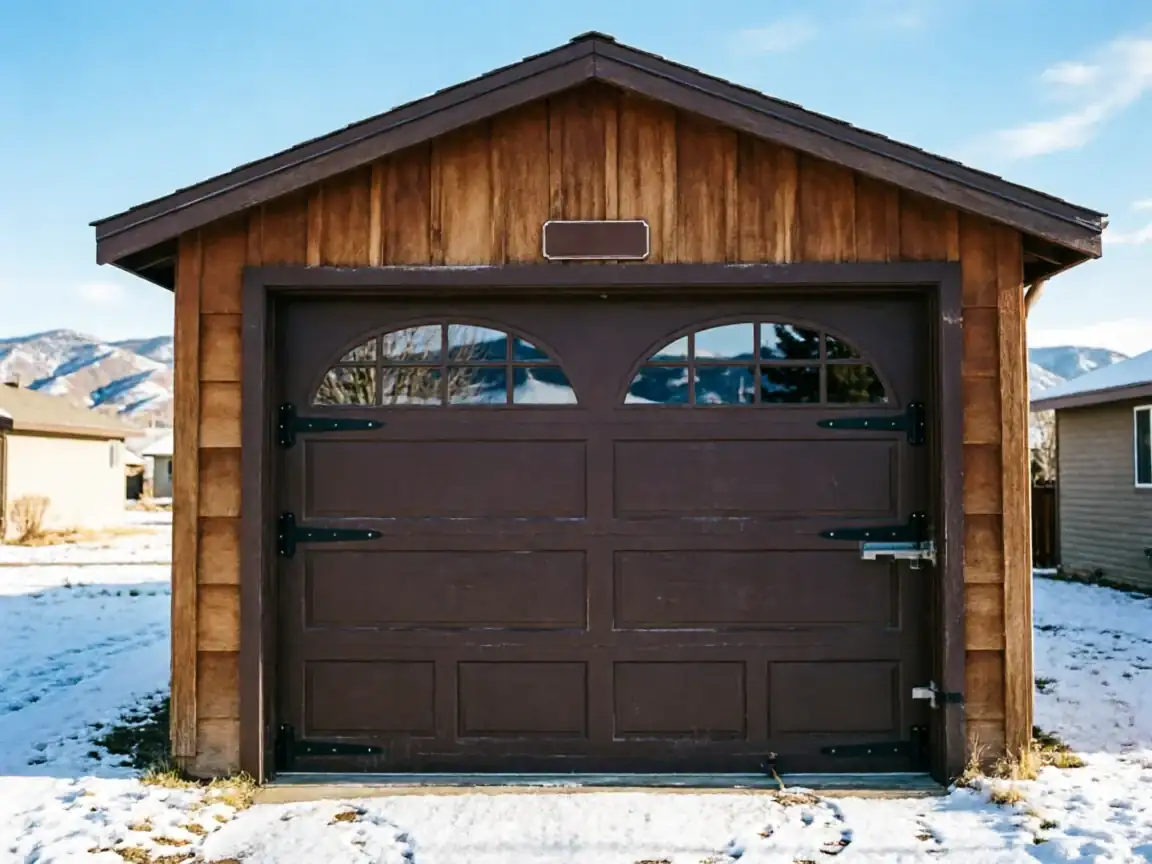
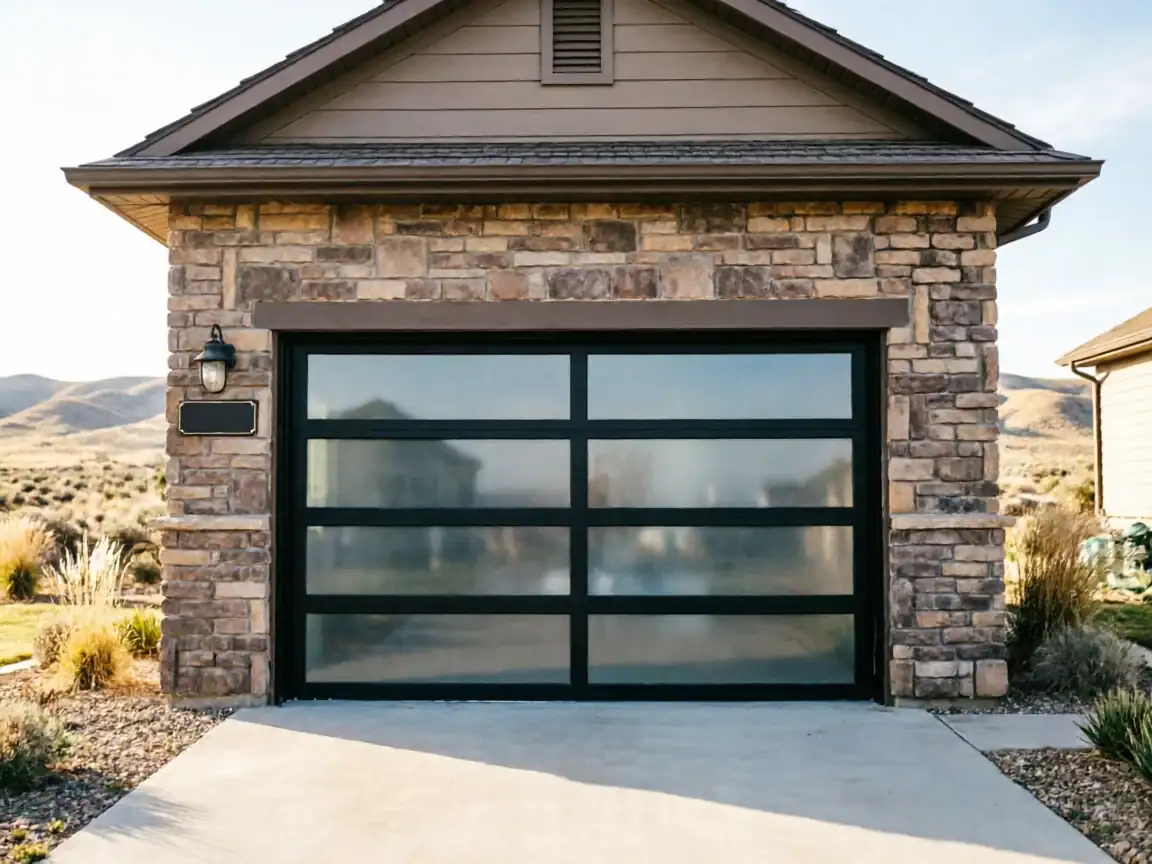
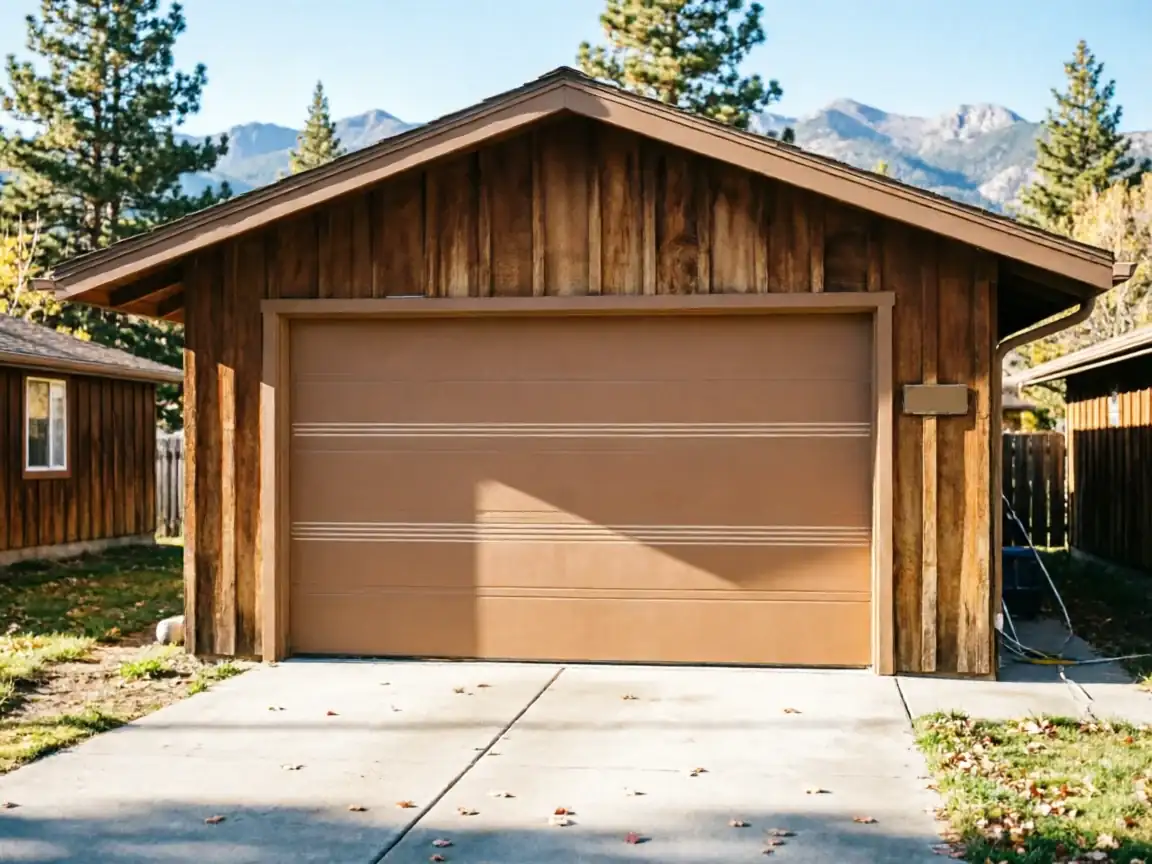
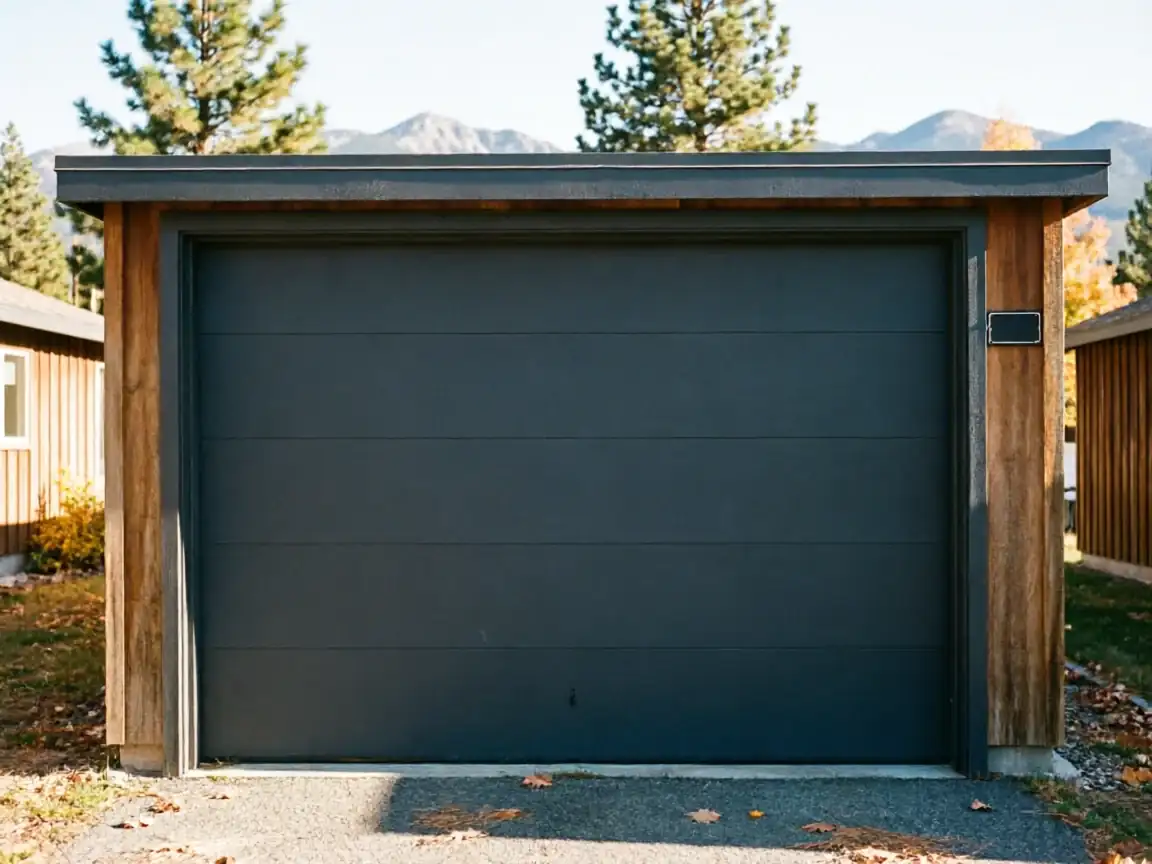
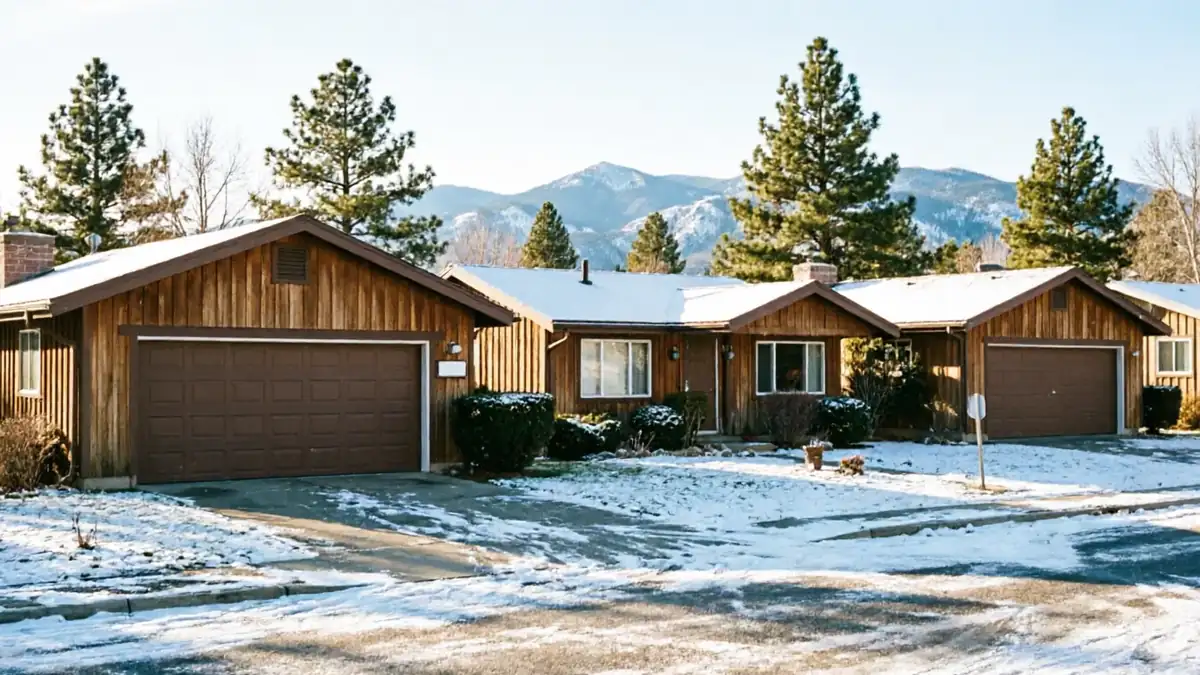
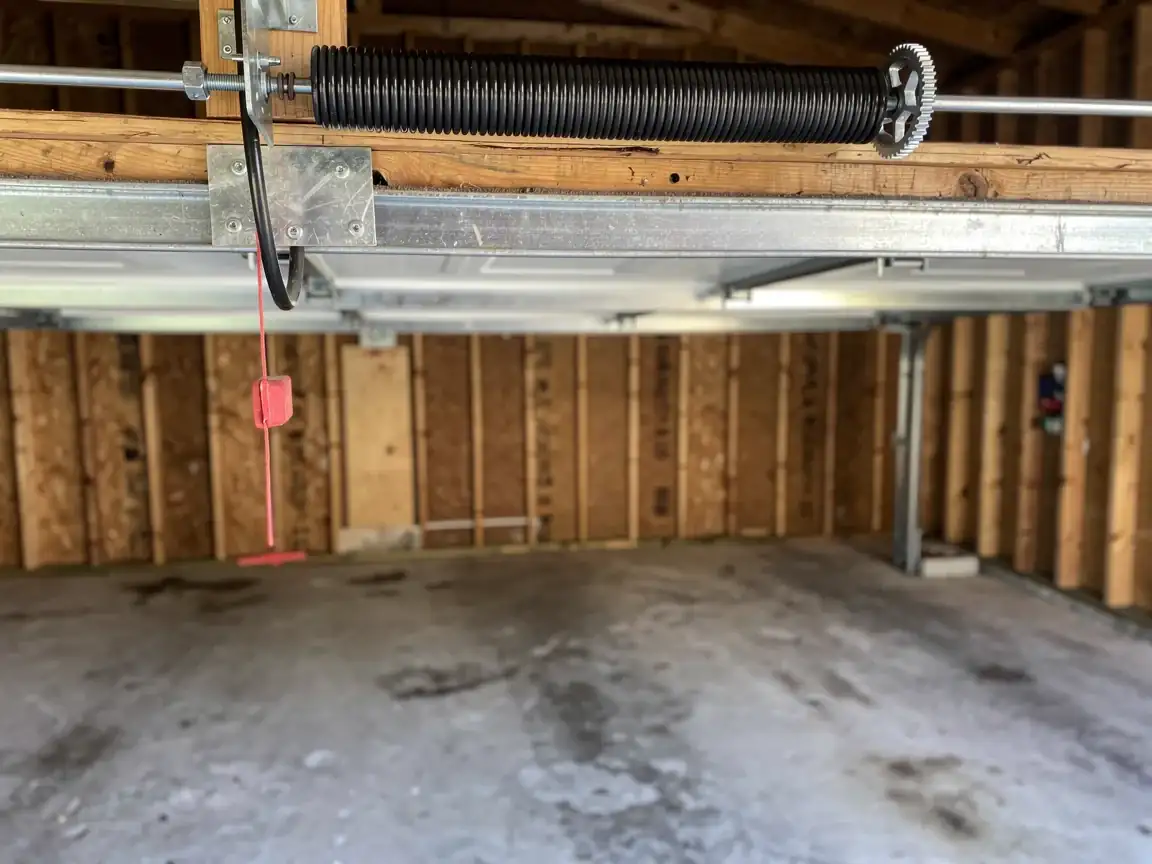
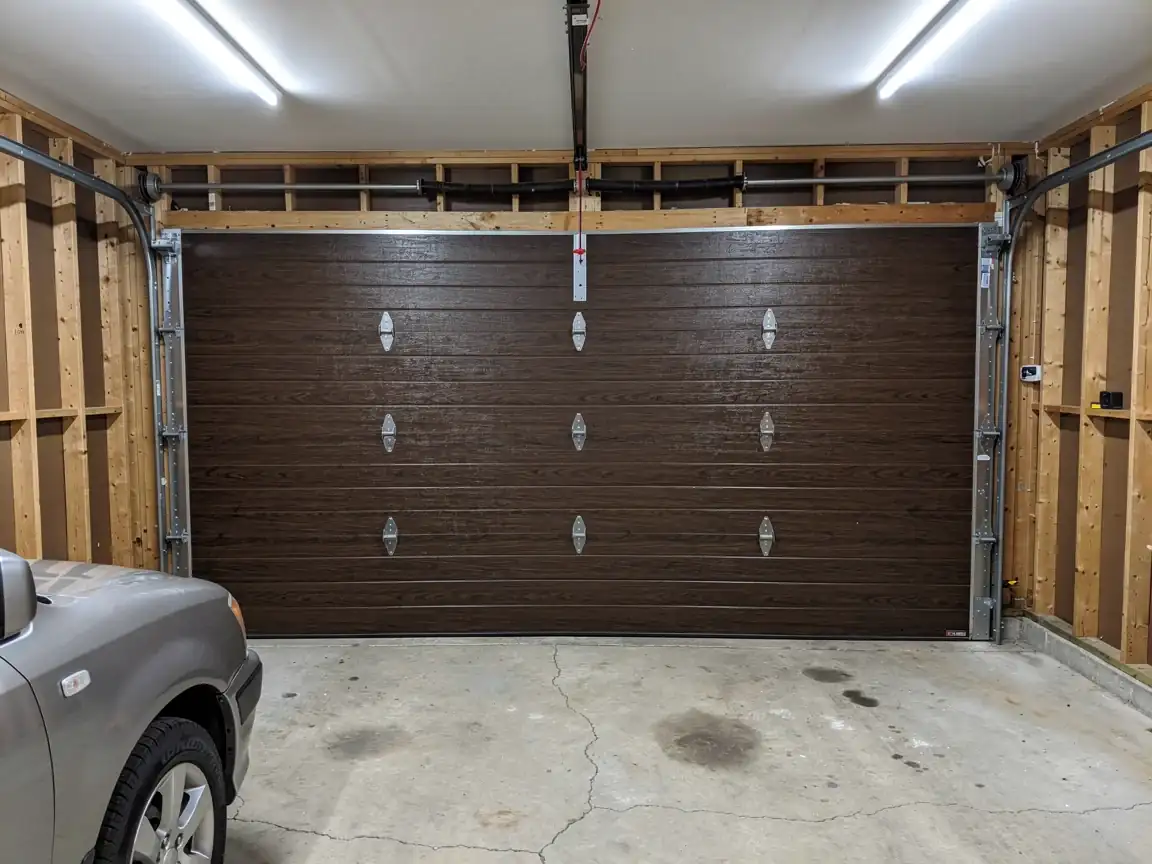
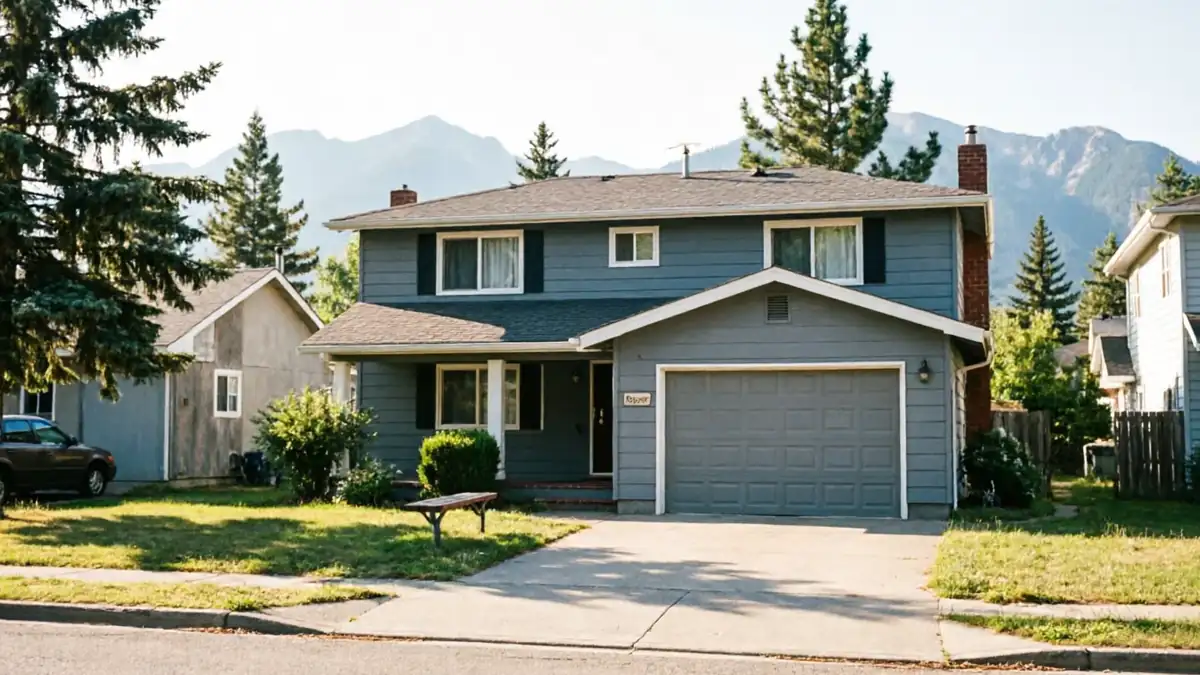
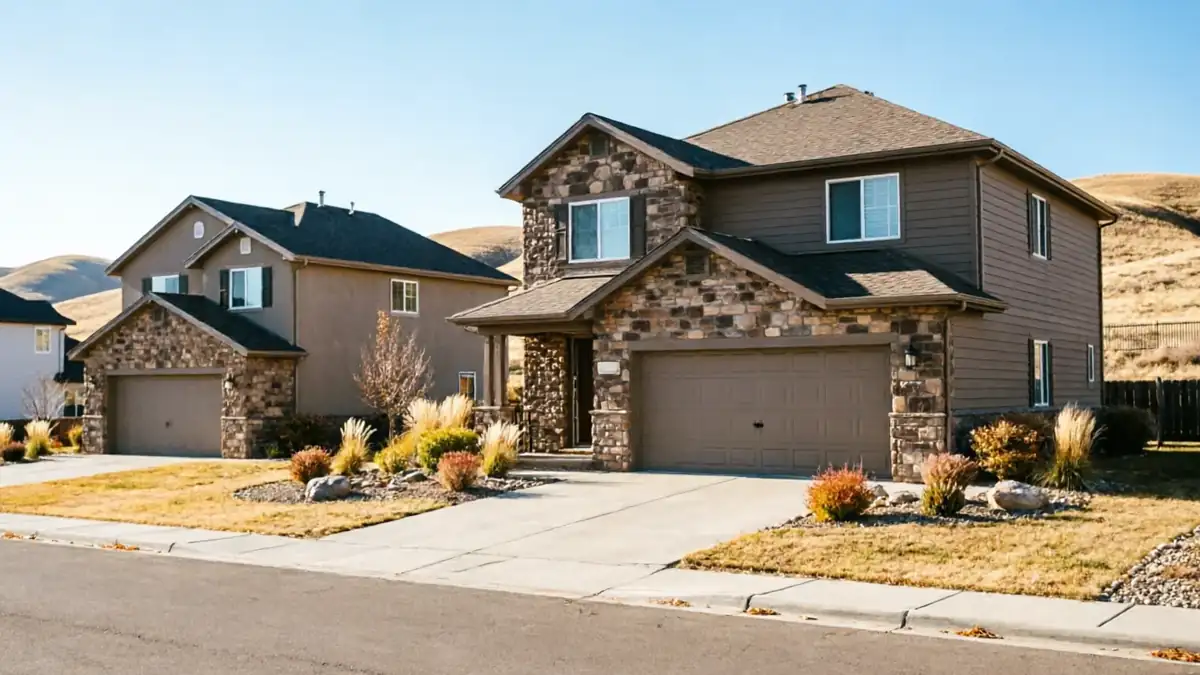
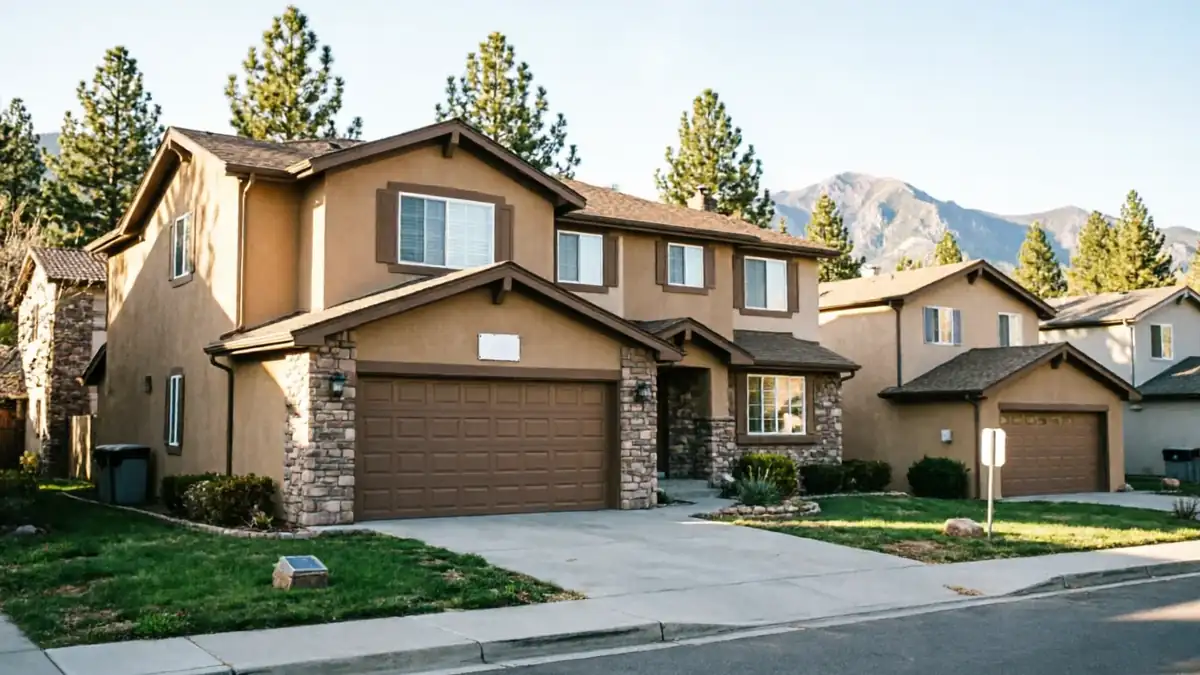
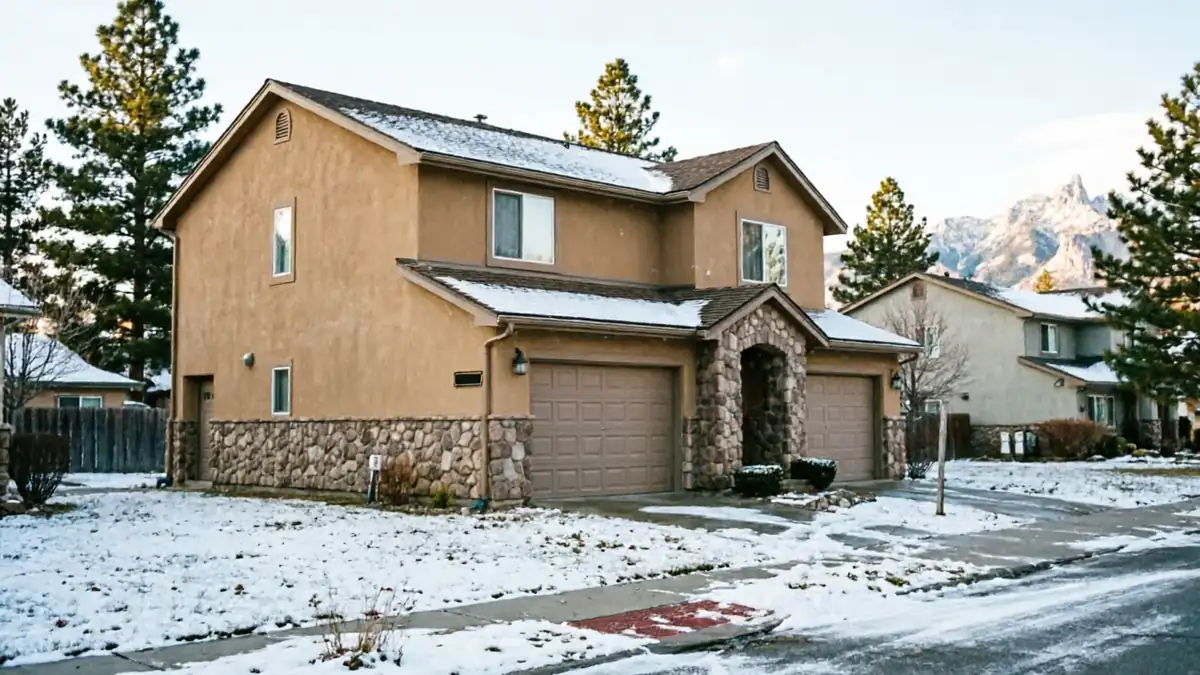
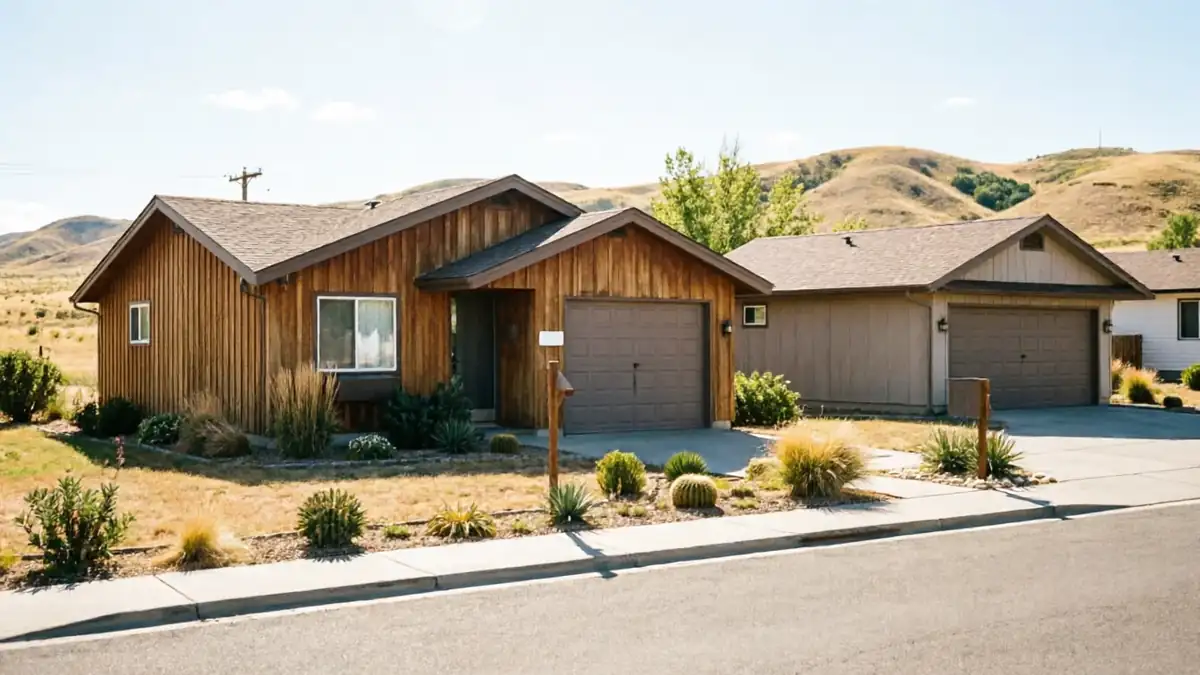
Most houses in Kachina Village went up around 1985, and that single fact tells us more about your garage door than almost anything else. A door installed when the house was built in the mid-80s is pushing forty years old if it's still original - that's a steel section door on a standard torsion spring, likely with the lighter-gauge track and the single-point latch that builders put in back then. Springs from that era weren't rated for the cycle counts modern doors get, and a lot of them are still the originals, which means they're due or overdue. The opener, if it's original, is almost certainly a chain-drive unit without rolling-code security or battery backup - both things that matter during a winter power outage up here. None of this is unique to one house; it's the story for most of the neighborhood because most of the neighborhood was built in the same few years.
What People Here Ring About
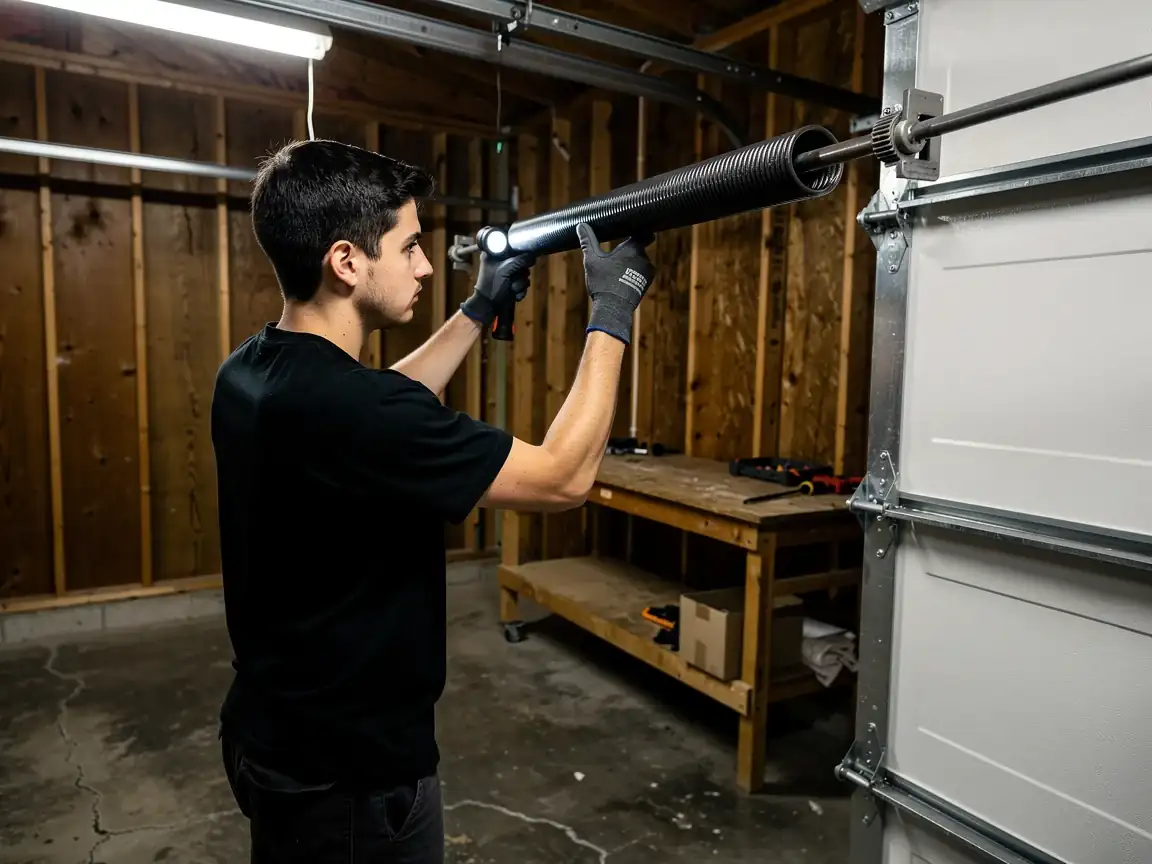
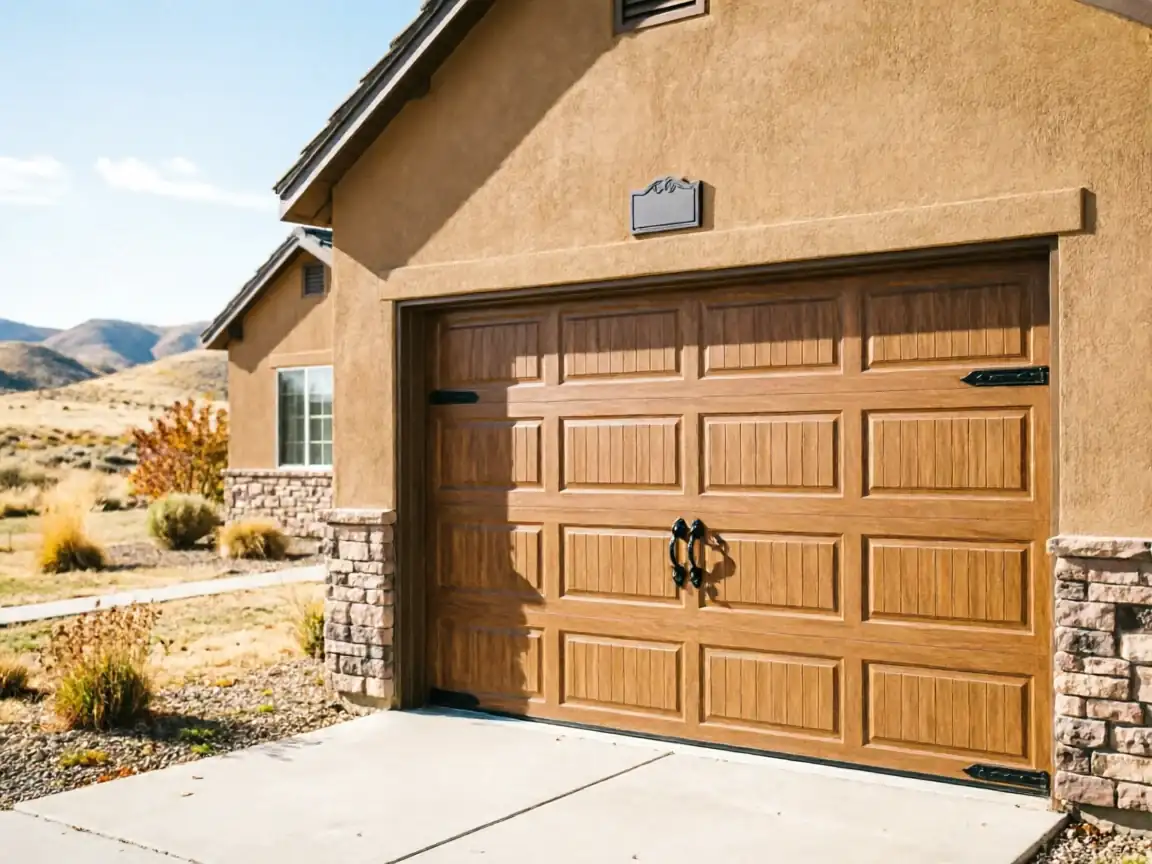
The calls we get from this part of the area tend to cluster around a few things tied directly to the age of the stock. Torsion springs that have finally given out after decades of cycling - often announced by a loud bang in the garage and a door that won't budge. Rollers that have worn down to bare metal and started grinding in the track, which is common once a door's original hardware passes the thirty-year mark. Openers that still work but won't take a modern remote or a phone app, because the circuit board predates all of that. We also get calls about doors that have gone stiff or sagged slightly out of square - with a cold-climate winter putting houses through real freeze-thaw cycling, old track brackets and worn hinges show their age faster than they would somewhere milder. None of this is dramatic. It's just what forty years of use does to builder-grade hardware.