How to Book
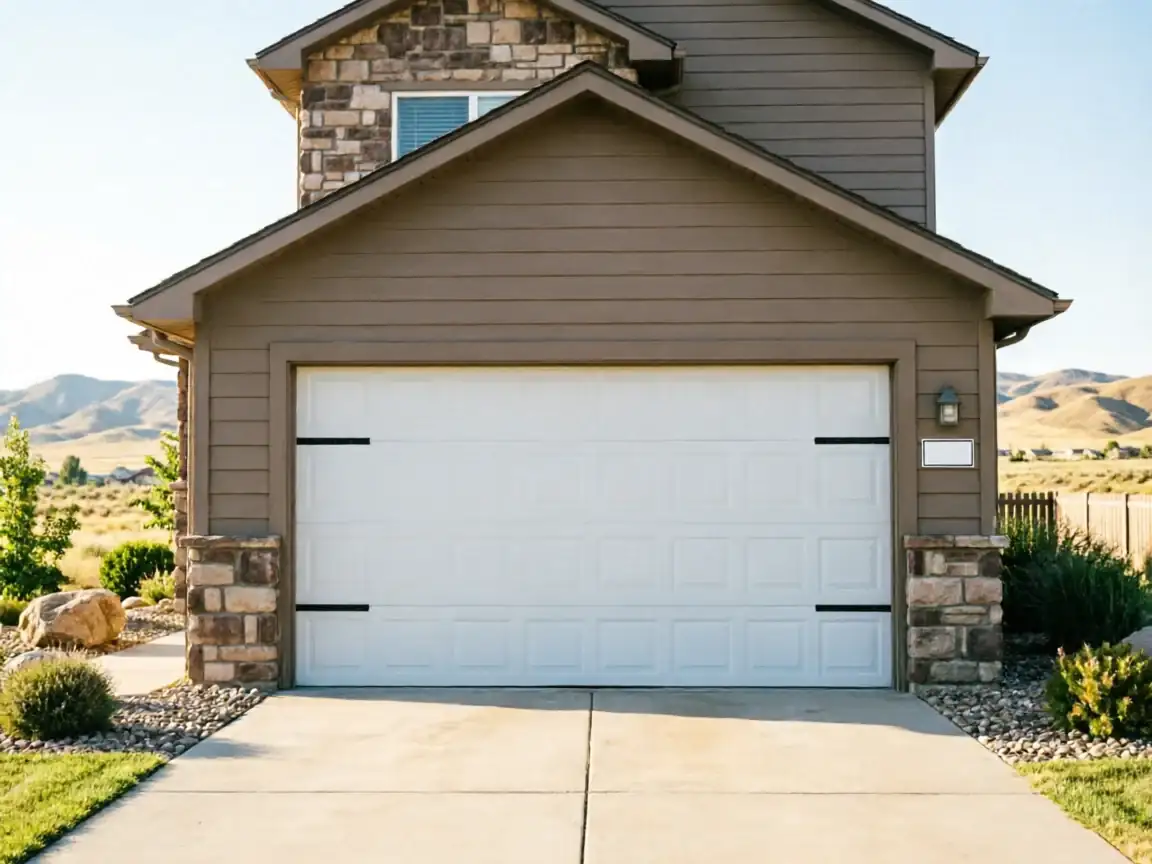
Kachina Village's housing stock centers on 1985
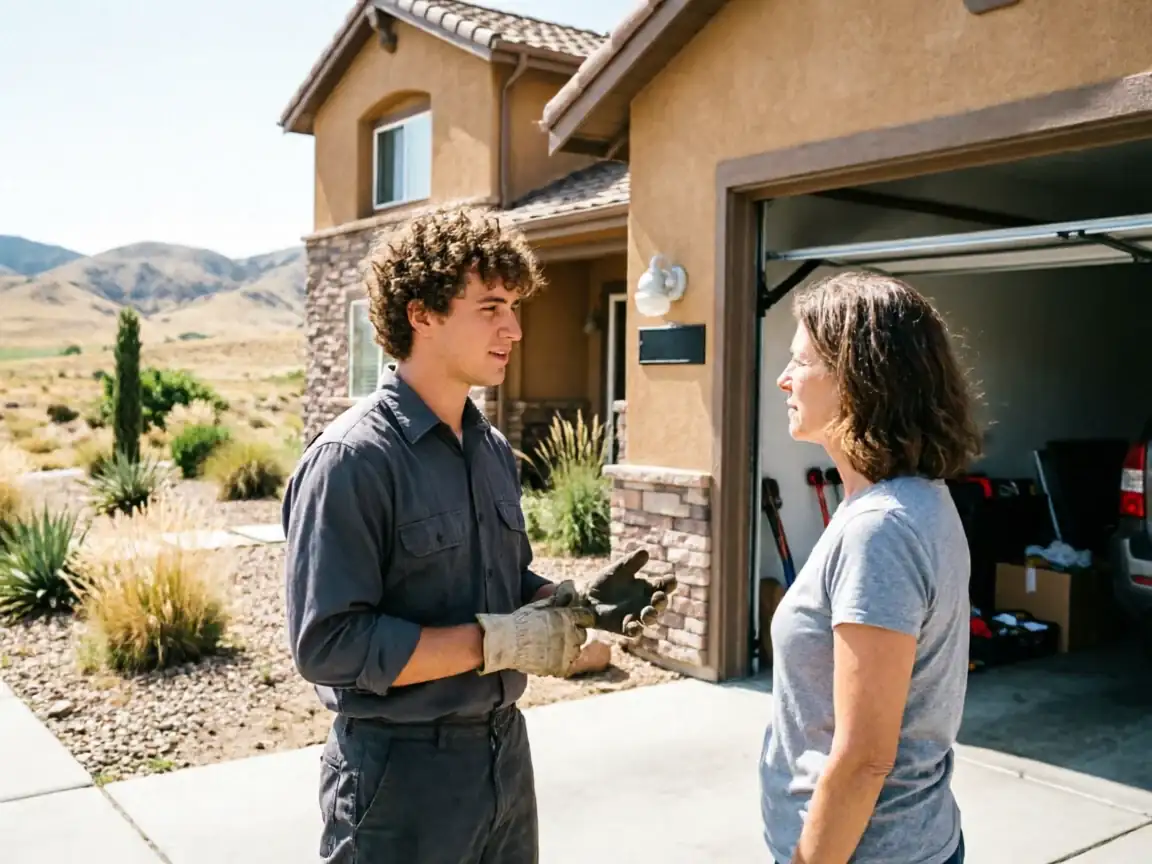
The same median year that anchors the broader Flagstaff service area, but this pocket is smaller and sits apart from it: 1,328 households here against 2,995 across the full area, and a fixed 8 miles from Flagstaff itself. That distance doesn't change what we do on a maintenance visit, but it changes how the visit gets scheduled. We travel out from Flagstaff for every call here - there's no branch or depot in Kachina Village, so a maintenance stop gets booked ahead rather than squeezed in between in-town jobs.
- 1,328 households
- 8 miles
If your door is already stuck, off-track, or making a grinding noise instead of a quiet one, that's a repair call, not a maintenance call
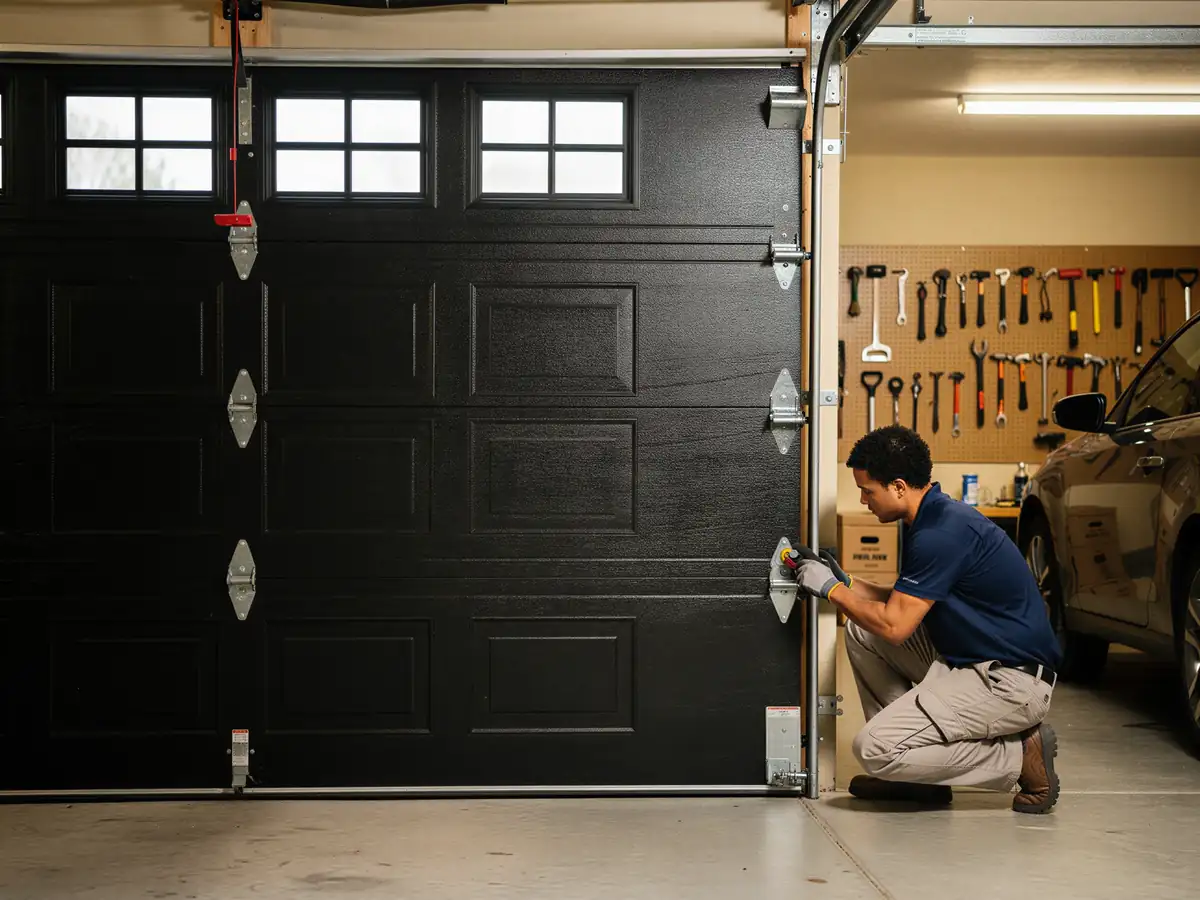
Go to the Kachina Village repair page instead. Maintenance is for the door that still works but needs the yearly look: lubrication, hardware check, balance test, cable and roller inspection. If you're also weighing bigger service needs for the area, the Flagstaff maintenance page covers the full area's options.
How Long It Takes
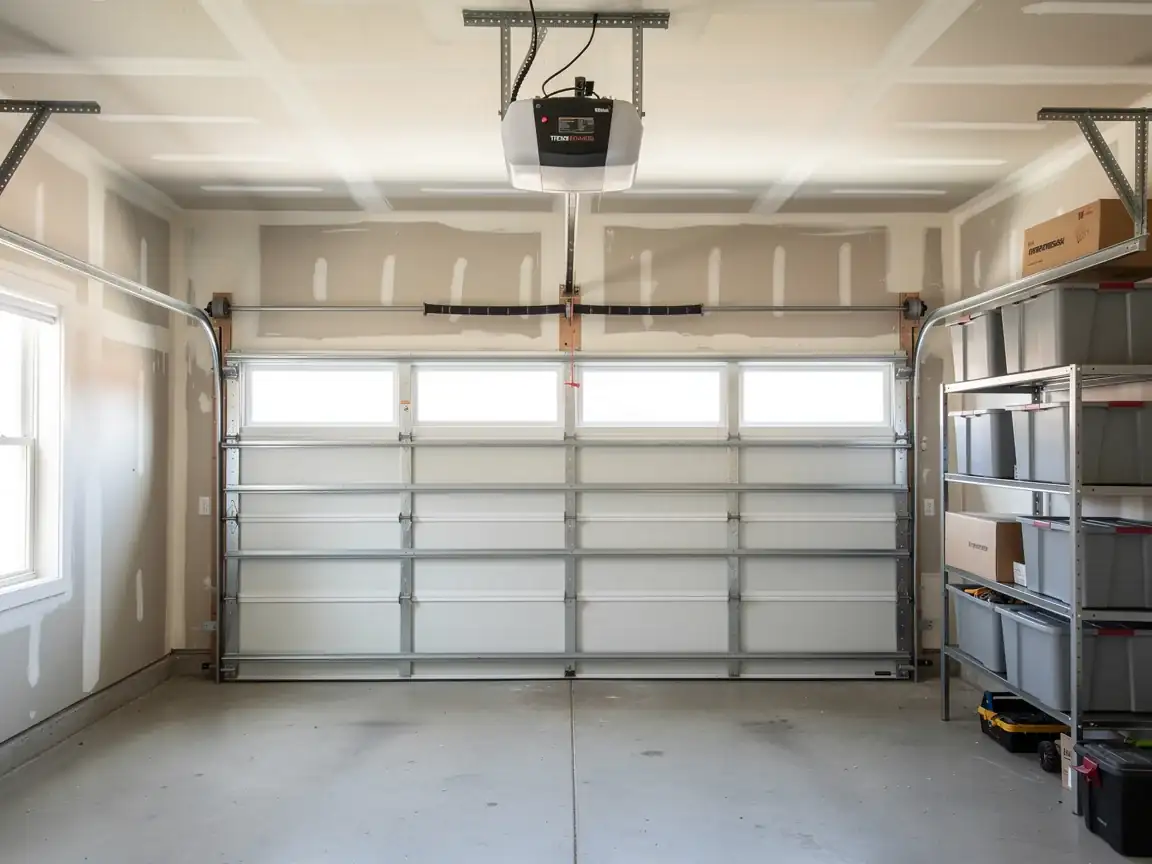
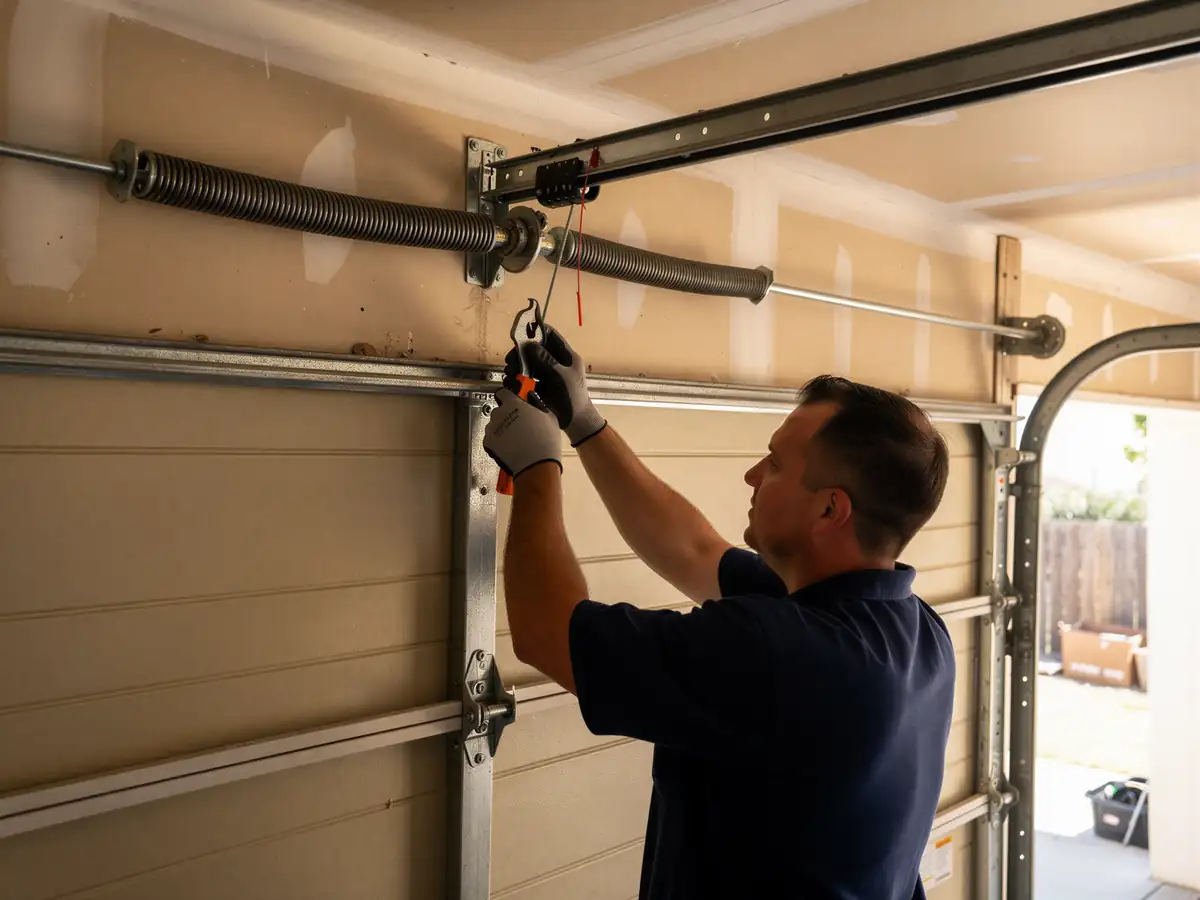
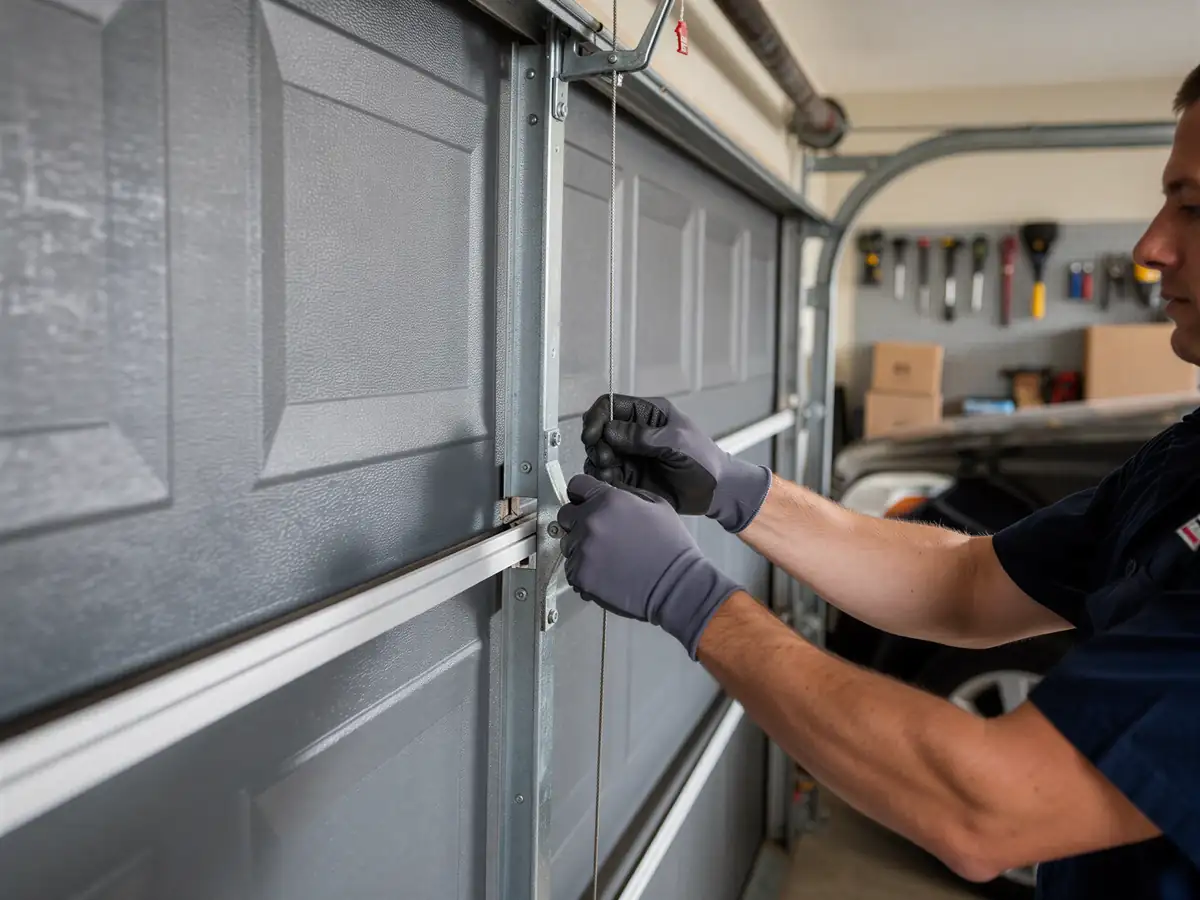
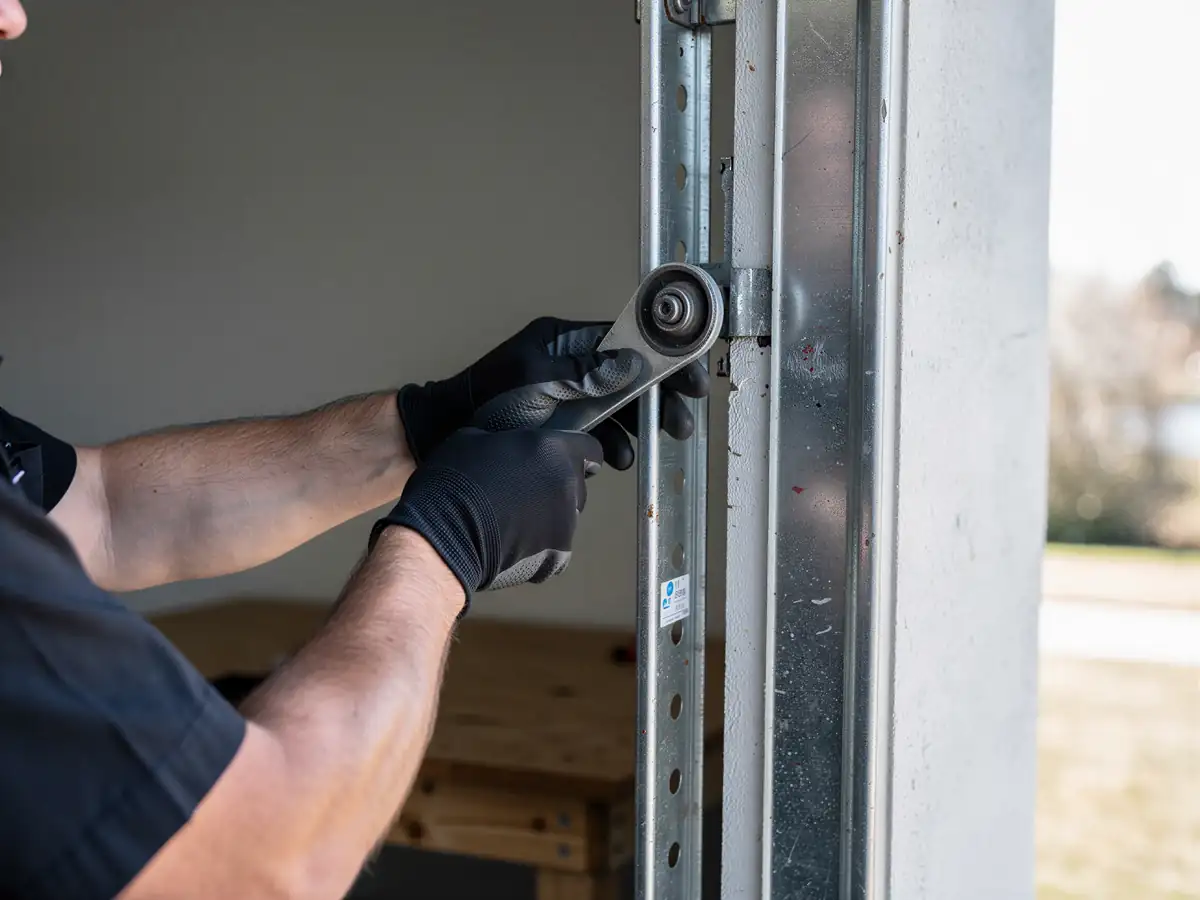
A maintenance visit on a door built around 1985 runs longer than the same visit on a door installed in the last ten years, and that's the honest reason to budget extra time for homes out here. Original hardware from that era - steel rollers instead of nylon, older spring winding cones, single-point cable anchors - needs more careful inspection than newer stamped-steel assemblies, because the wear patterns are harder to spot by eye and the parts don't always fail the same obvious way.
We also check the opener separately from the door itself, since units from the 1985-1991 build window common to this area often predate current safety-reversal mechanisms, and that's not something to skip past quickly. None of this means every visit takes the same amount of time - a door that's been serviced regularly moves faster than one that hasn't been touched since it was installed. But if your home falls into that mid-1980s band that defines most of Kachina Village's stock, plan for a longer look, not a quick glance.
Parts We Carry
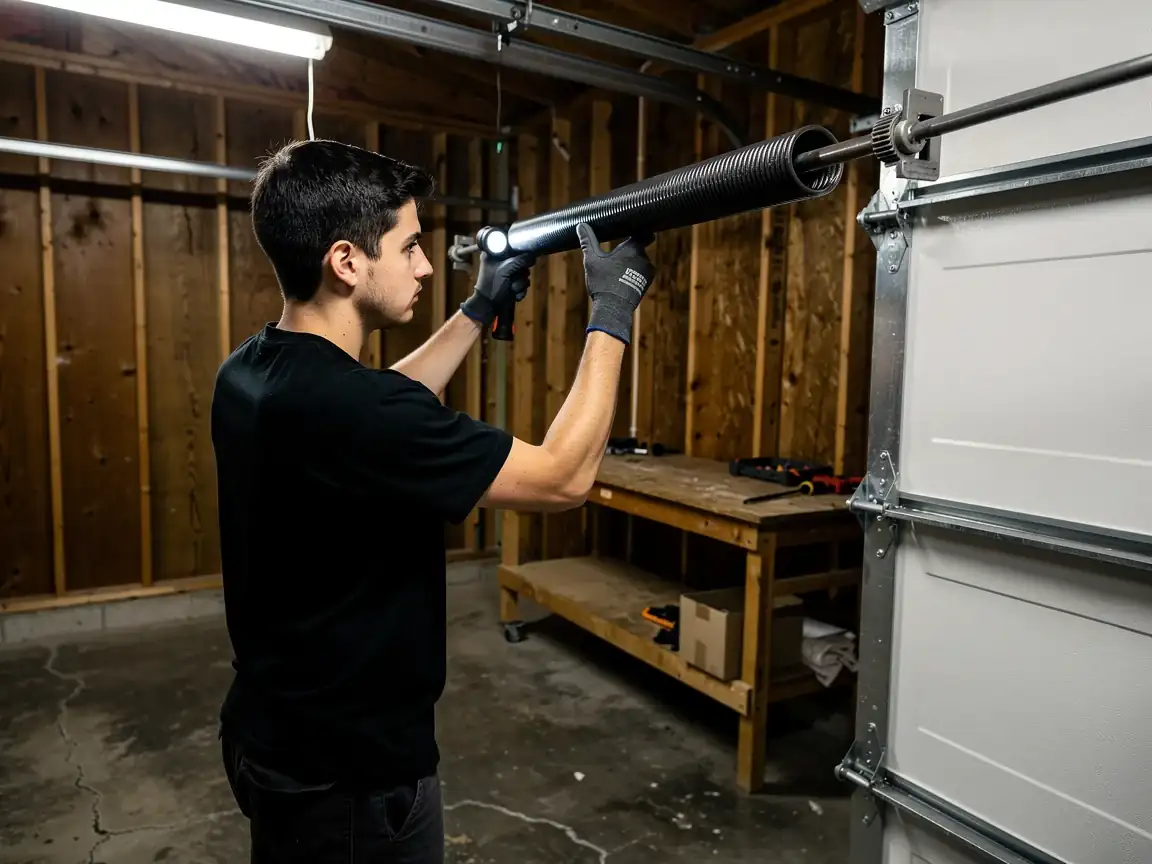
For a neighborhood built mostly in the 1980s and 90s, the parts that matter most on a maintenance visit are the ones that wear out quietly: rollers, end bearings, lift cables, and the lubricant itself. Original torsion springs from that era were sized for heavier, older steel door panels, and when those springs finally go soft from age rather than snap outright, the door gets harder to lift long before anyone notices a problem.
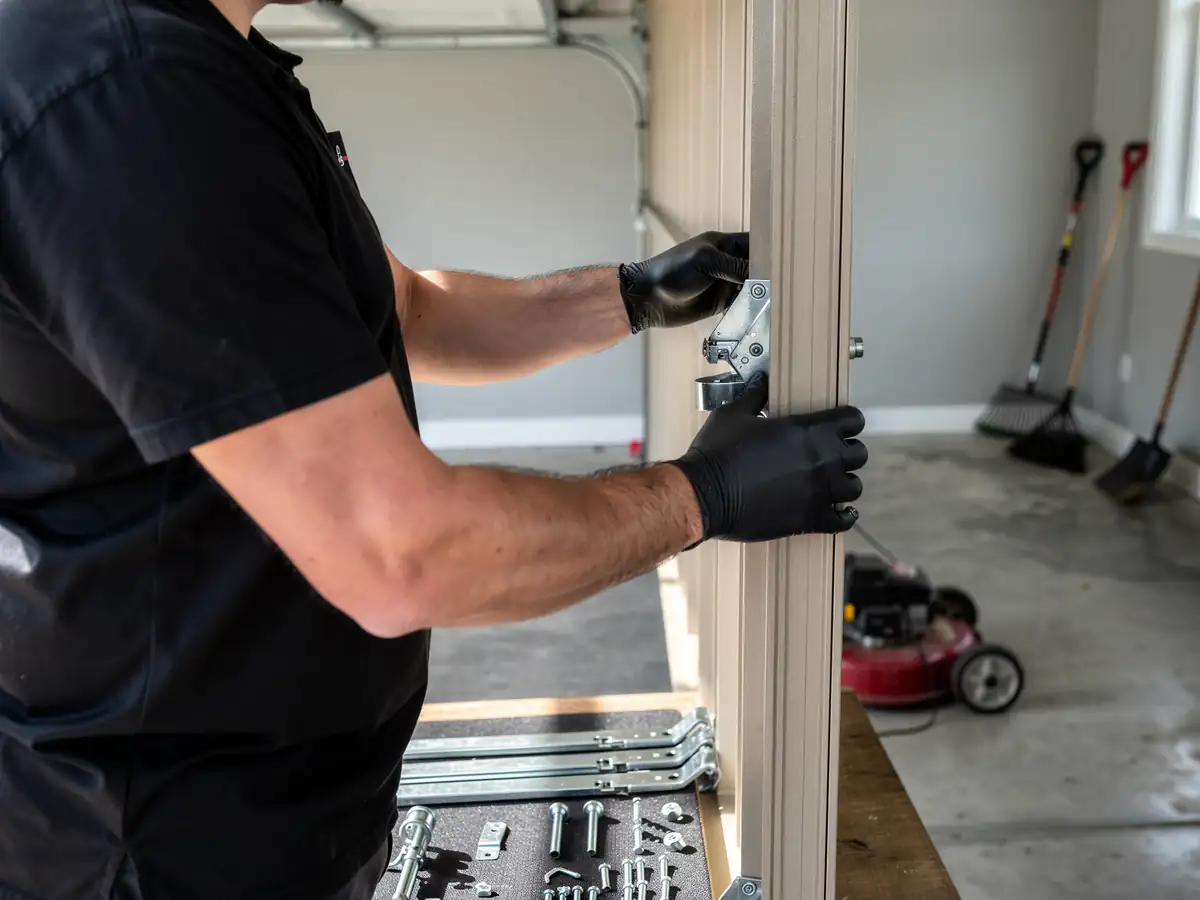
We carry standard rollers, cables, and hinges on the truck for exactly this kind of job, along with lubricant rated for the temperature swings this area sees. What we don't carry on a maintenance call is a replacement spring sized to guess - if a spring's worn to the point of needing swap-out rather than adjustment, that becomes its own visit, priced and scheduled separately, because guessing at spring tension on an old door is how someone gets hurt. That's the one limitation worth saying plainly: maintenance keeps a working door working, it doesn't substitute for a repair when a part's actually failing.
Can You Do This Yourself
Some of it, yes
Wiping down tracks, checking for loose bolts on the mounting brackets, and listening for new noises are things any homeowner can do between visits. Lubricating hinges and rollers with the right product - not WD-40, which thins out and attracts grit - is also fine to handle yourself.
What you shouldn't touch is the torsion spring or anything under tension
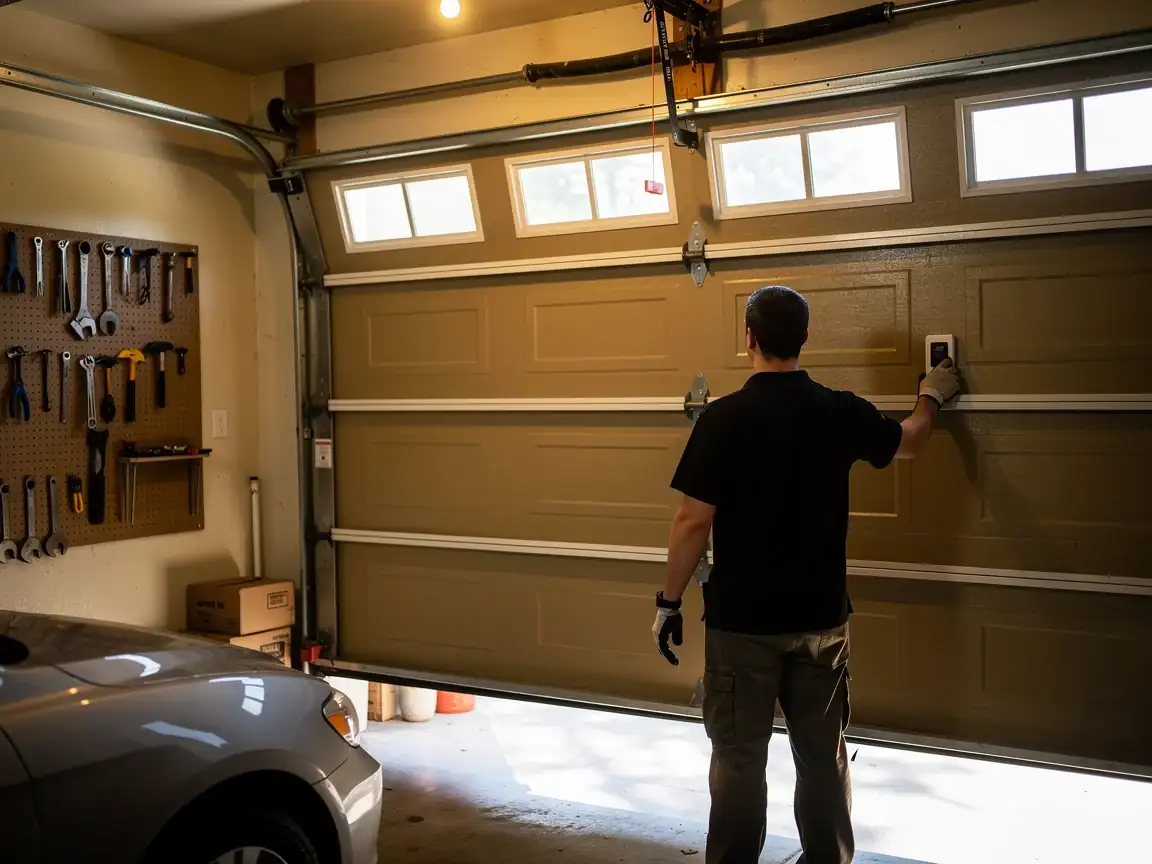
On a door from the mid-1980s, those springs have been under load for decades, and a spring that lets go while someone's adjusting it can break bones or worse. The balance test - where you disconnect the opener and see if the door holds position halfway up - is safe to try, but if it fails that test, that's a sign the spring tension is off, and that's a call for a pro, not a project for a Saturday. If your door is original to a 1985-era build, treat the spring system with more caution than you would on anything newer.
Why It Happens Here
Kachina Village's winters land in the severe end of the cold climate band that covers this whole area, and cold is harder on old hardware than new. Lubricant that's fine in September turns thick by December, and on a spring or roller system that's already pushing forty years old, that extra stiffness is what turns a quiet door into one that groans on the way up.
The build year matters as much as the climate. A median year of 1985 means most garage doors in this pocket are original equipment, not replacements, and original equipment from that decade wasn't built with the sealing and insulation standards common today. Combine original hardware with repeated freeze-thaw cycles and the result is predictable: springs lose tension faster, metal track contracts and expands enough to throw off alignment, and rollers wear unevenly. None of that is unique to any one house here - it's the pattern across a neighborhood where the housing stock and the winters are both working against the same old parts at the same time.