The Situation
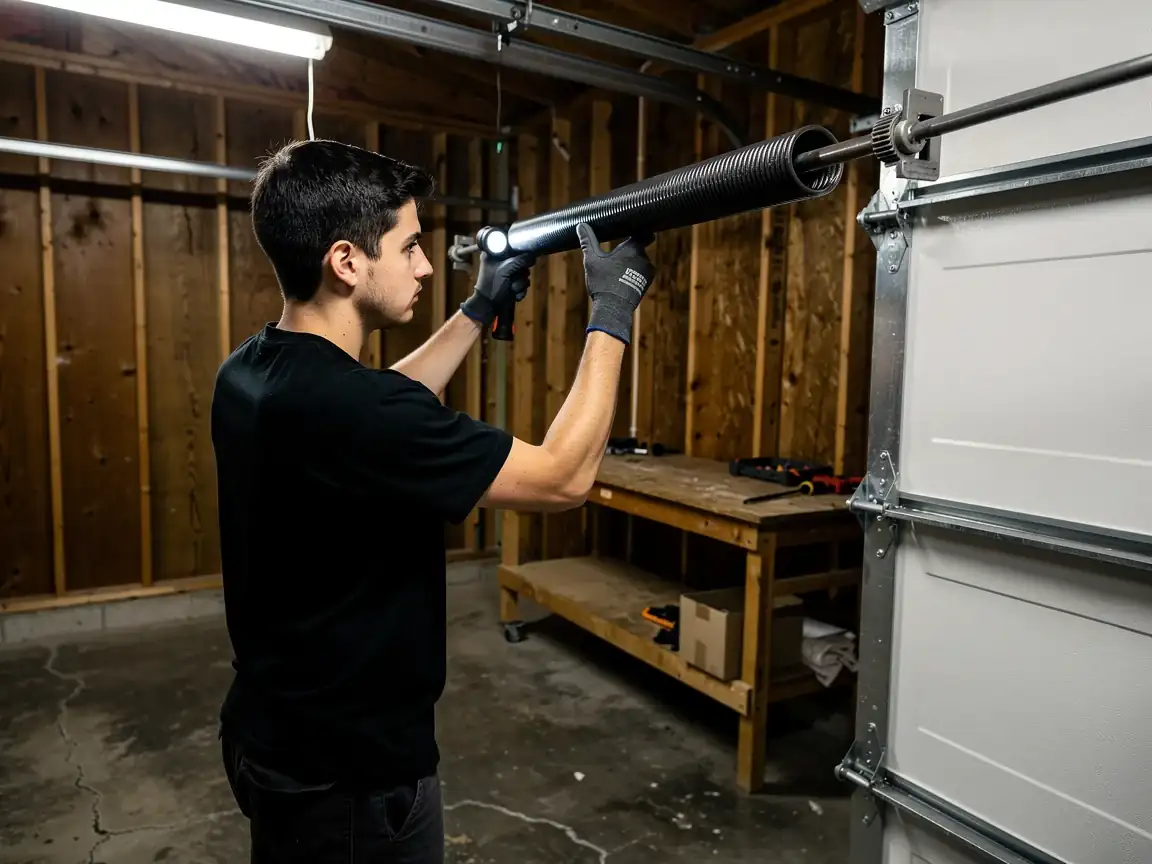
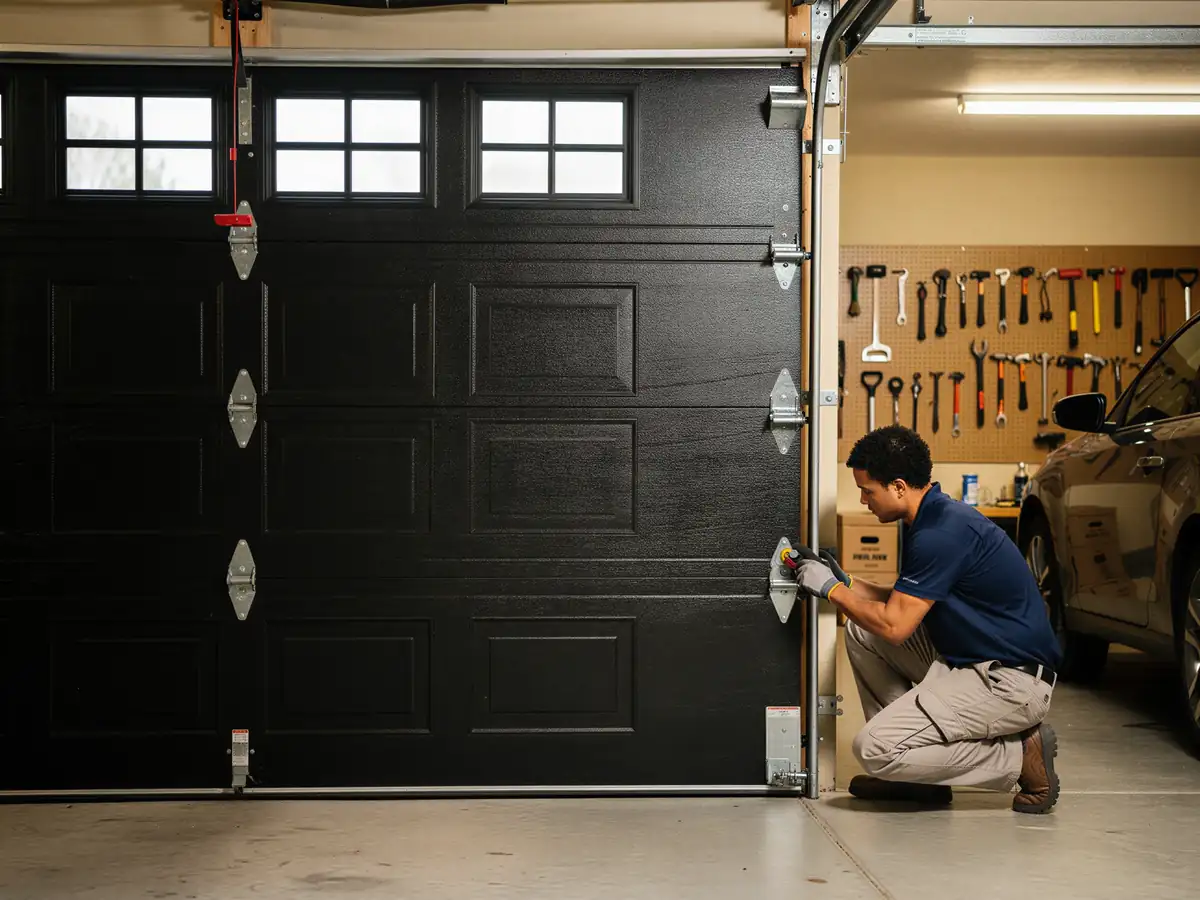
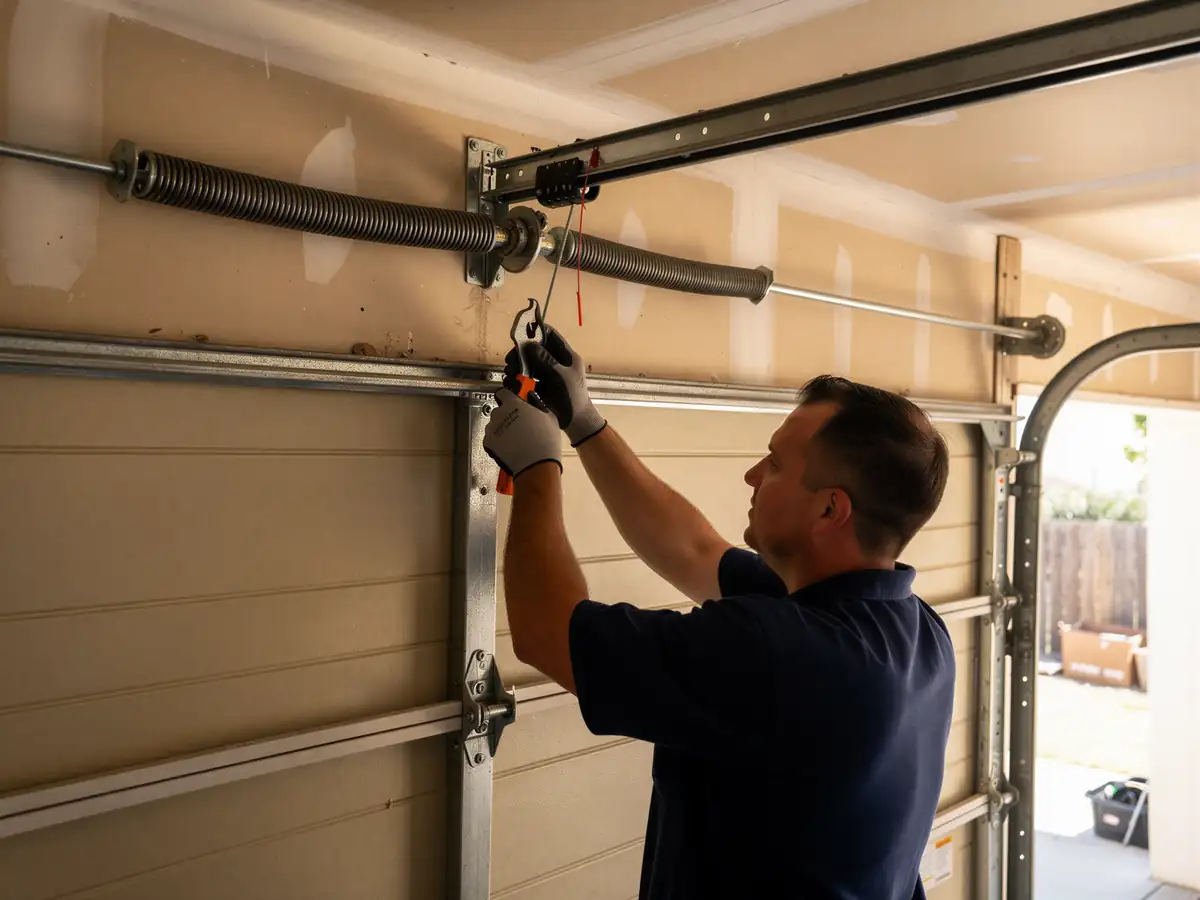
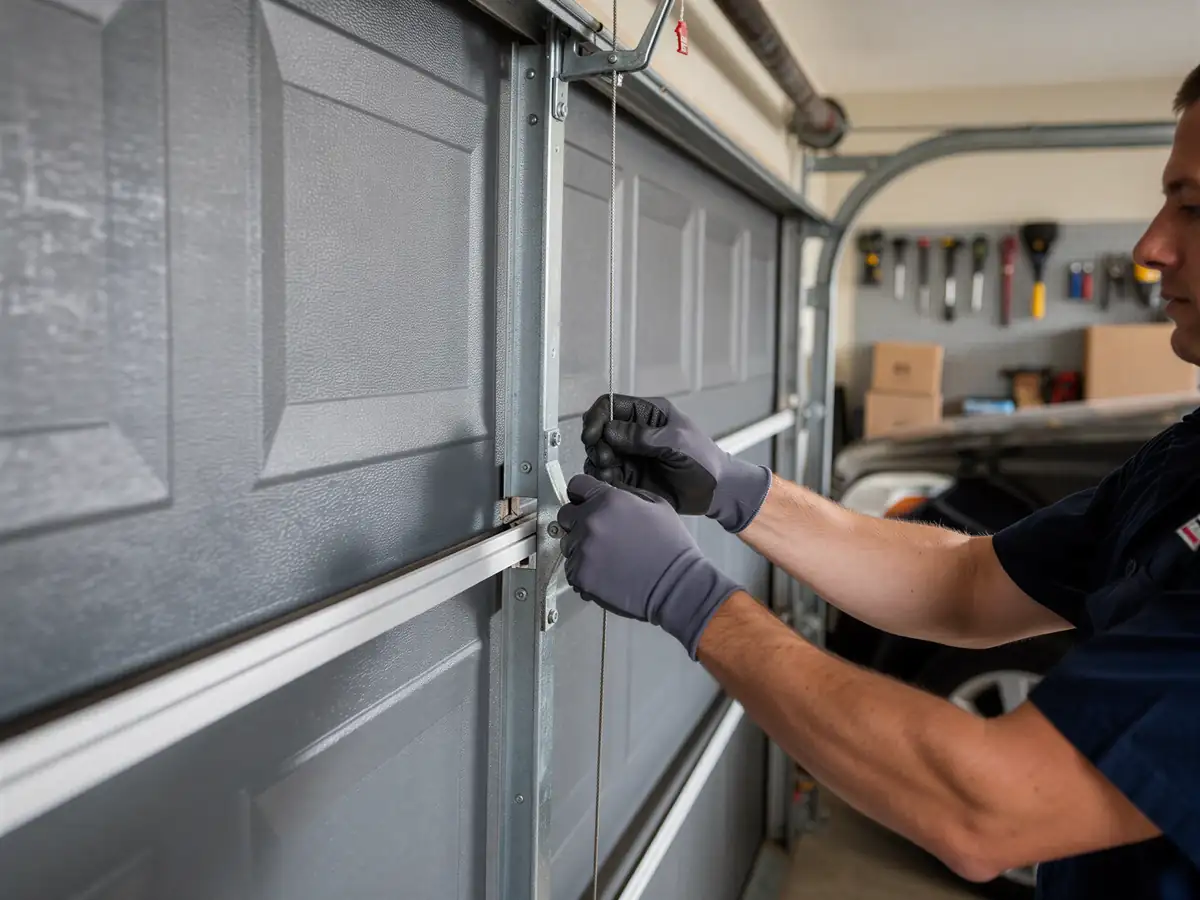
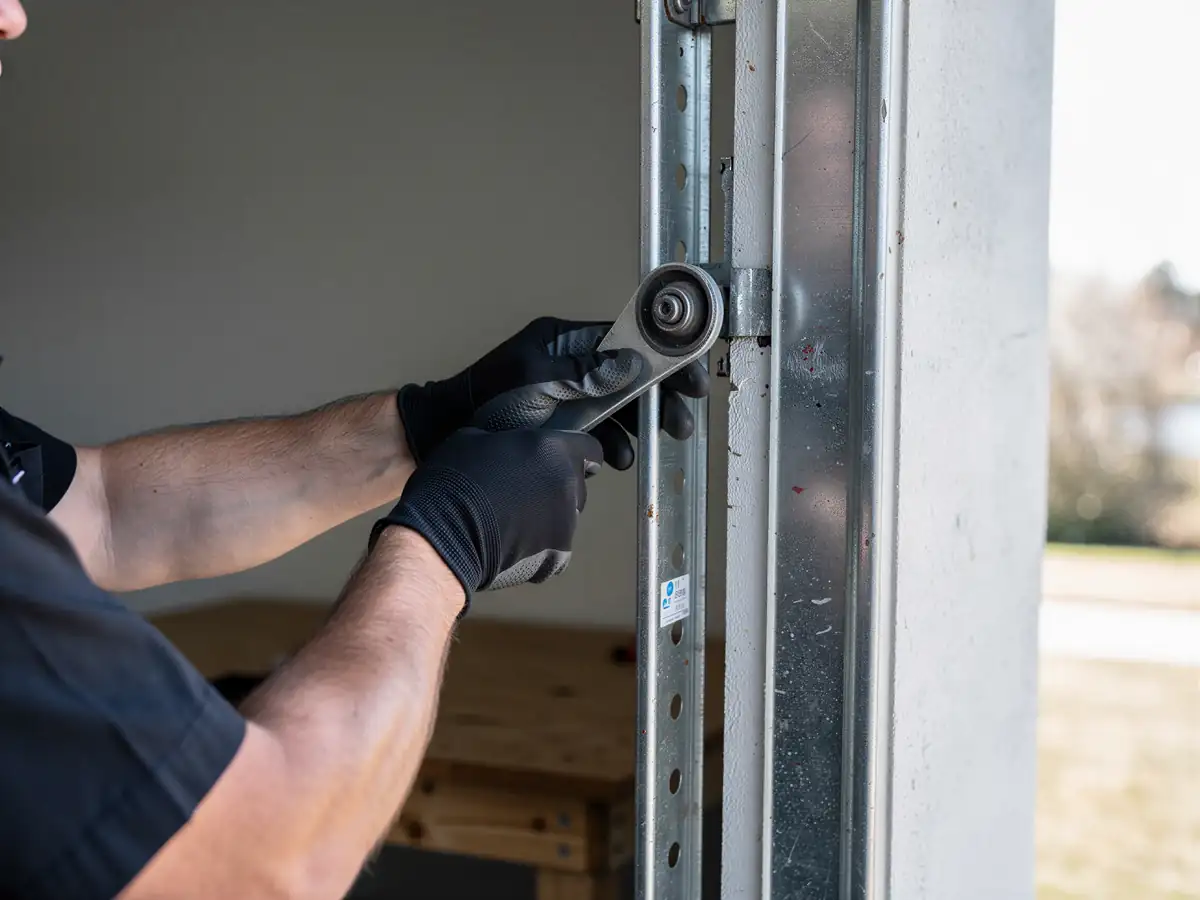
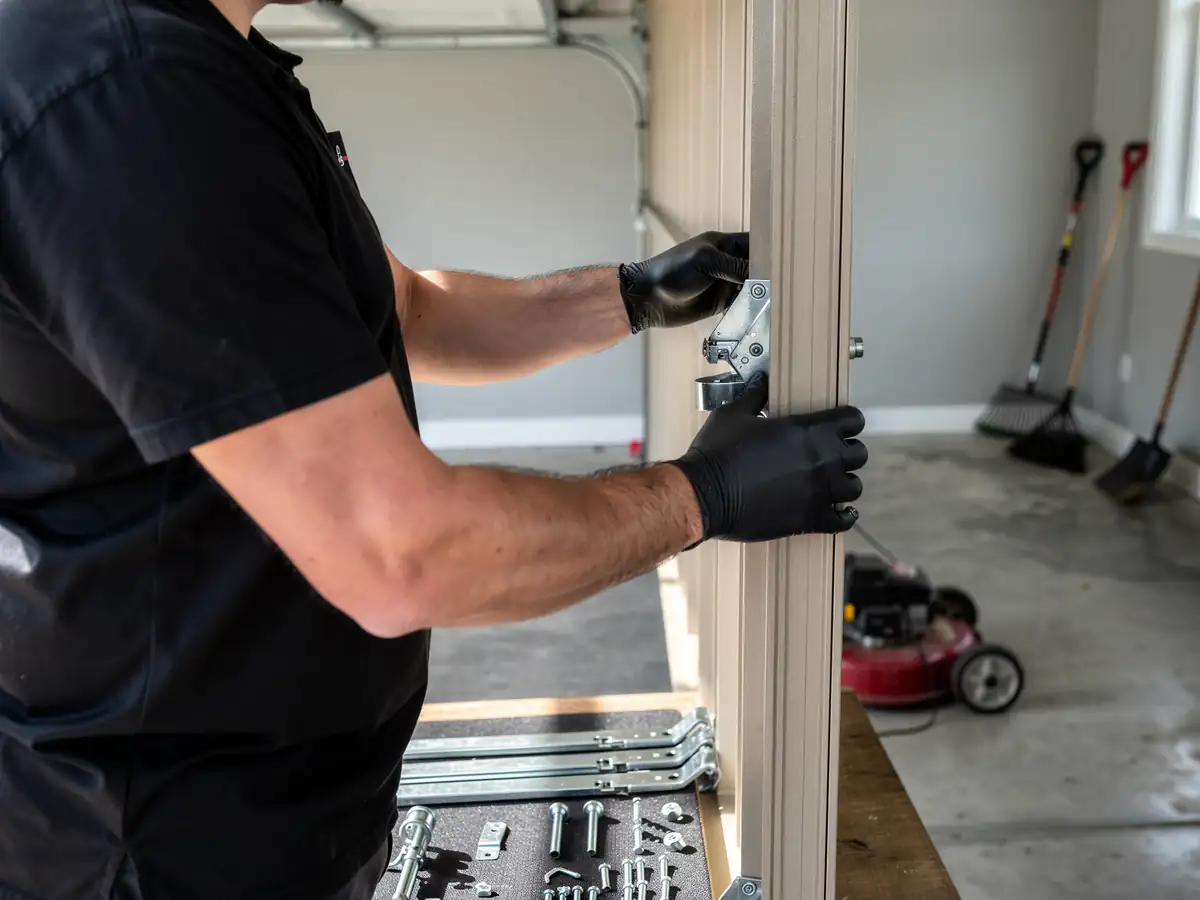
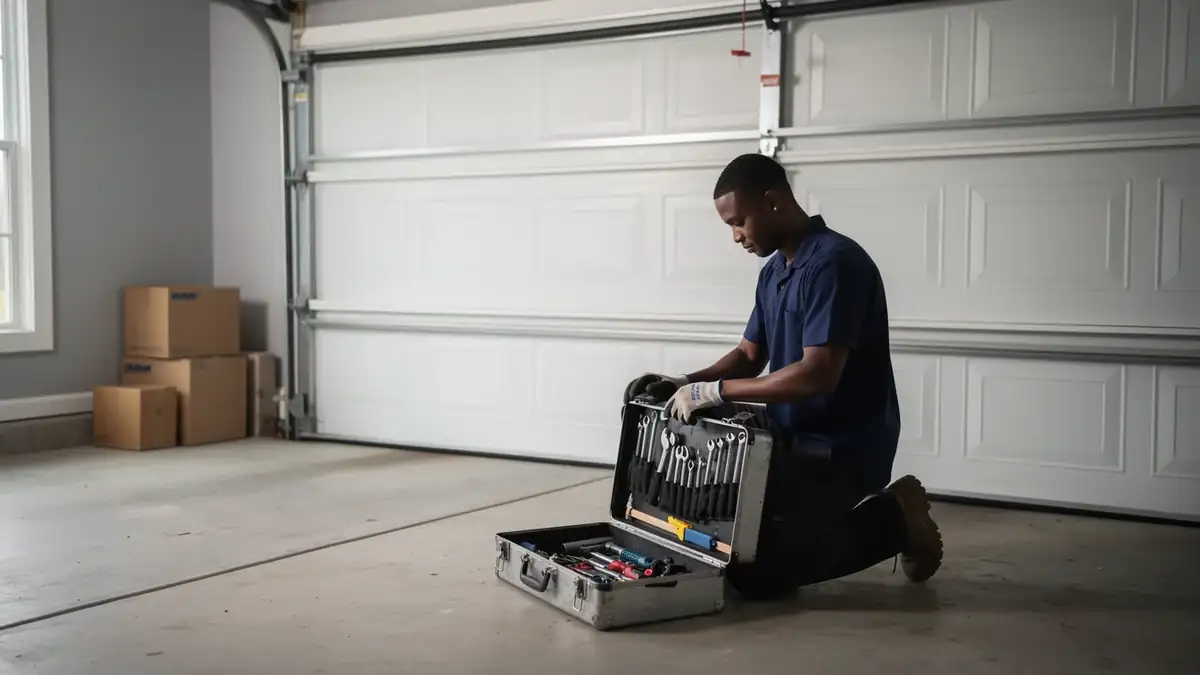
Most of the houses we're called to sit in that same build window - median year 1985, with the bulk of stock across our four named areas dating to the 1980s and 90s. That matters for a service call because it tells us, before we even open the truck, roughly what we're dealing with: older torsion spring systems, galvanized cable that's had three decades to stretch and fray, and tracks that were set for door weights and insulation standards from that era. A call in a neighborhood like this isn't the same visit as a call to a door installed last year. We check the spring winding cones for rust pitting, we check whether the track brackets were ever re-shimmed, and we check if the opener is a later retrofit bolted onto original hardware - which it often is. None of that is a guess; it's what thirty-plus-year-old garage door stock actually looks like when we open it up.
How Local Conditions Play In
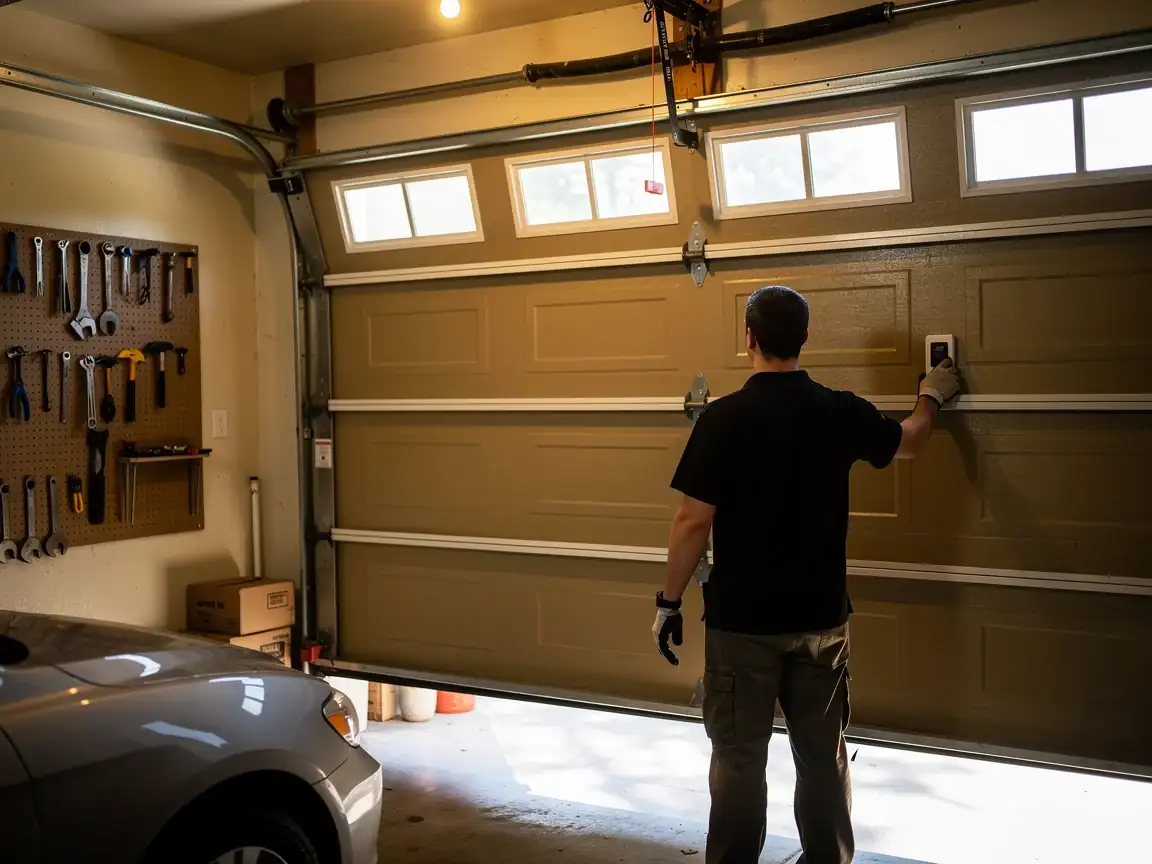
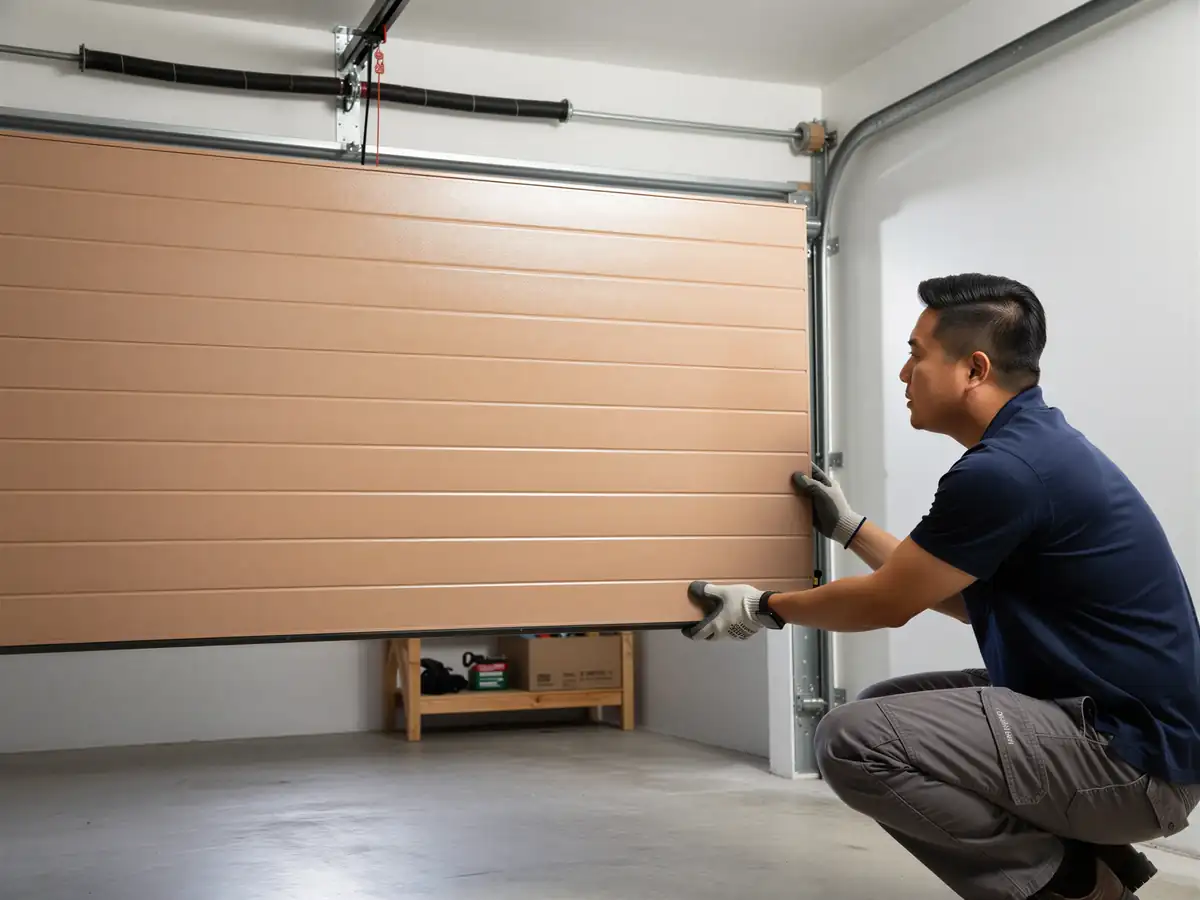
Flagstaff sits in a cold, severe climate band, and that shows up in specific ways once we're inside the garage. Metal contracts in hard cold, so springs on a cold morning carry different tension than the same spring at midday - we account for that when we test lift and balance, rather than adjusting on a reading that'll be wrong again by afternoon. Weatherstripping on doors from the 1985-1991 build era was rarely rated for the swings we get here, so a service call almost always includes a look at the bottom seal and whether cold air is finding its way around a warped track or a gap that's widened over the decades. Lubricant matters too - the wrong grease stiffens up and drags rollers in cold weather, which reads to a homeowner as 'the opener is dying' when it's actually the hardware fighting the temperature. We flag this on every call in this climate band, because it's the difference between fixing the actual problem and replacing a part that didn't need it.