Getting Here
Fort Valley sits about 12 miles out from our Flagstaff shop
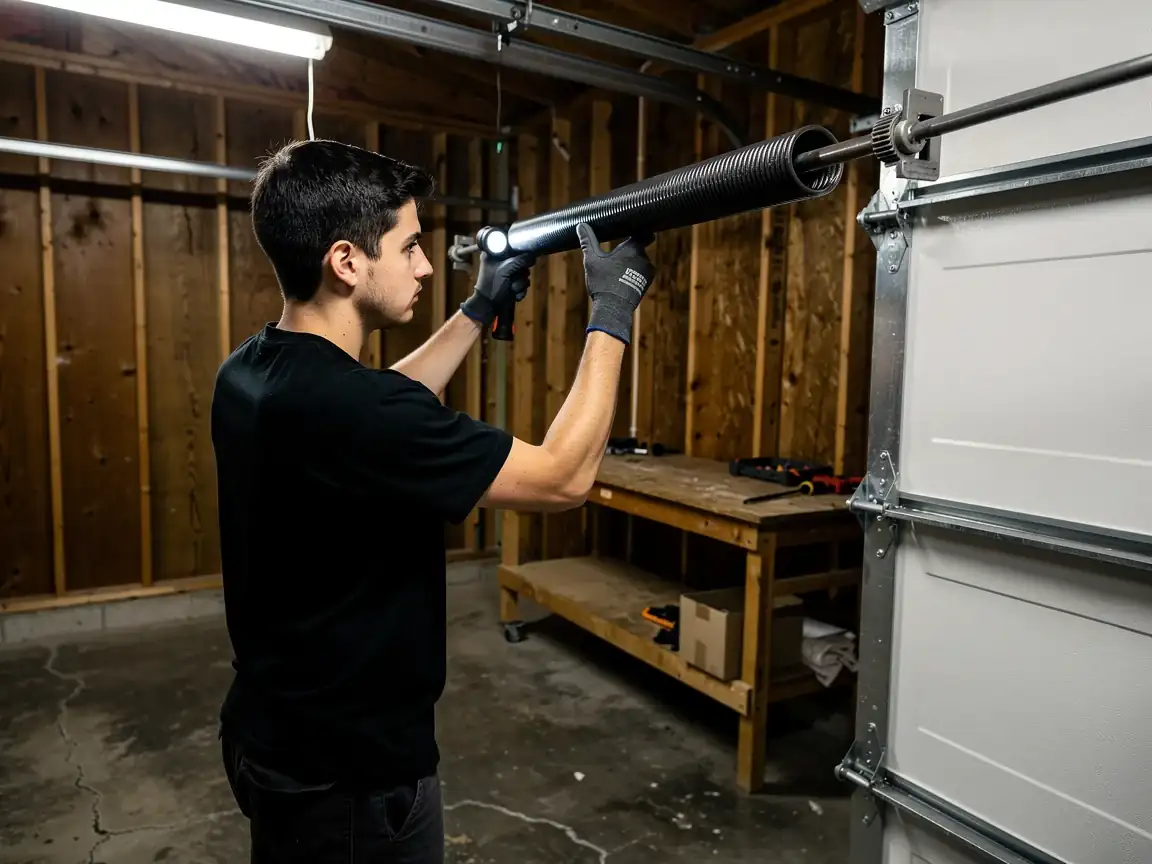
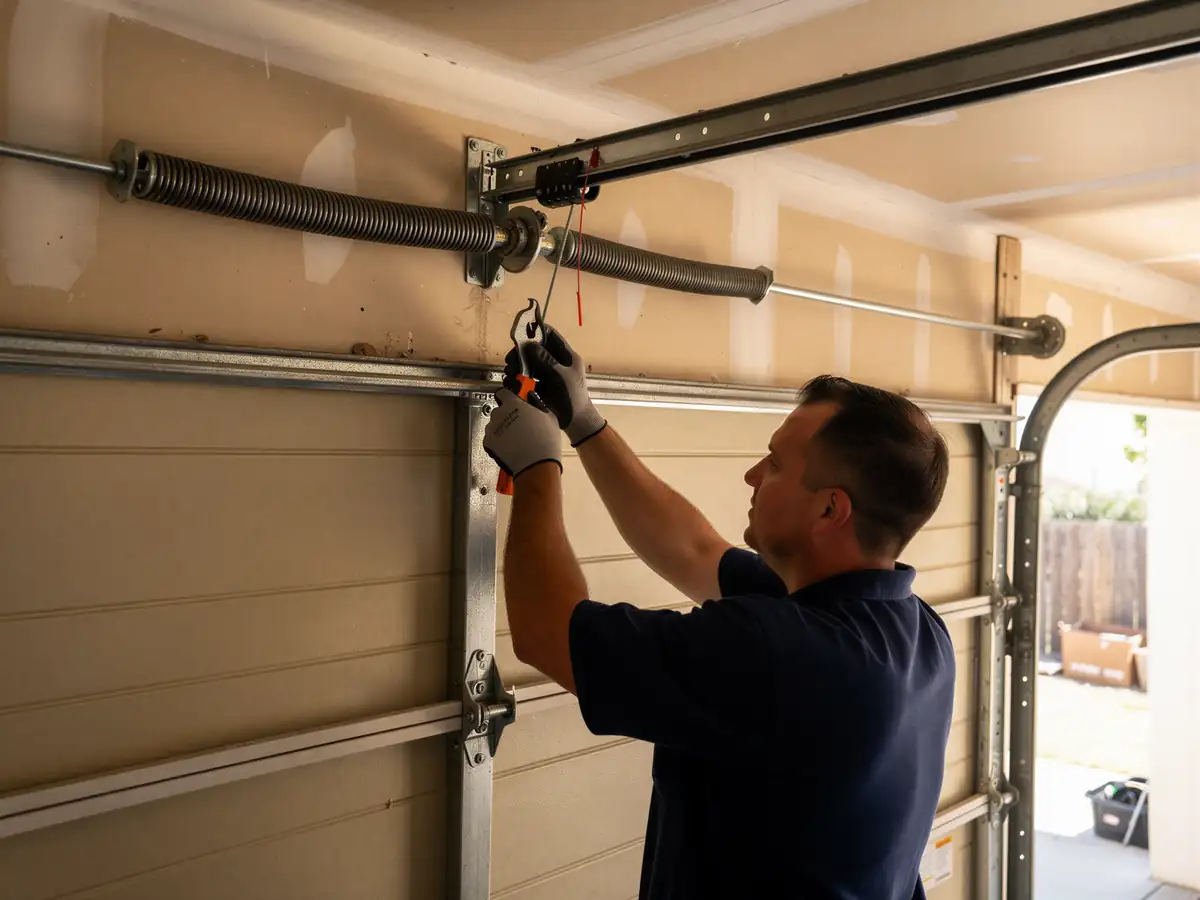
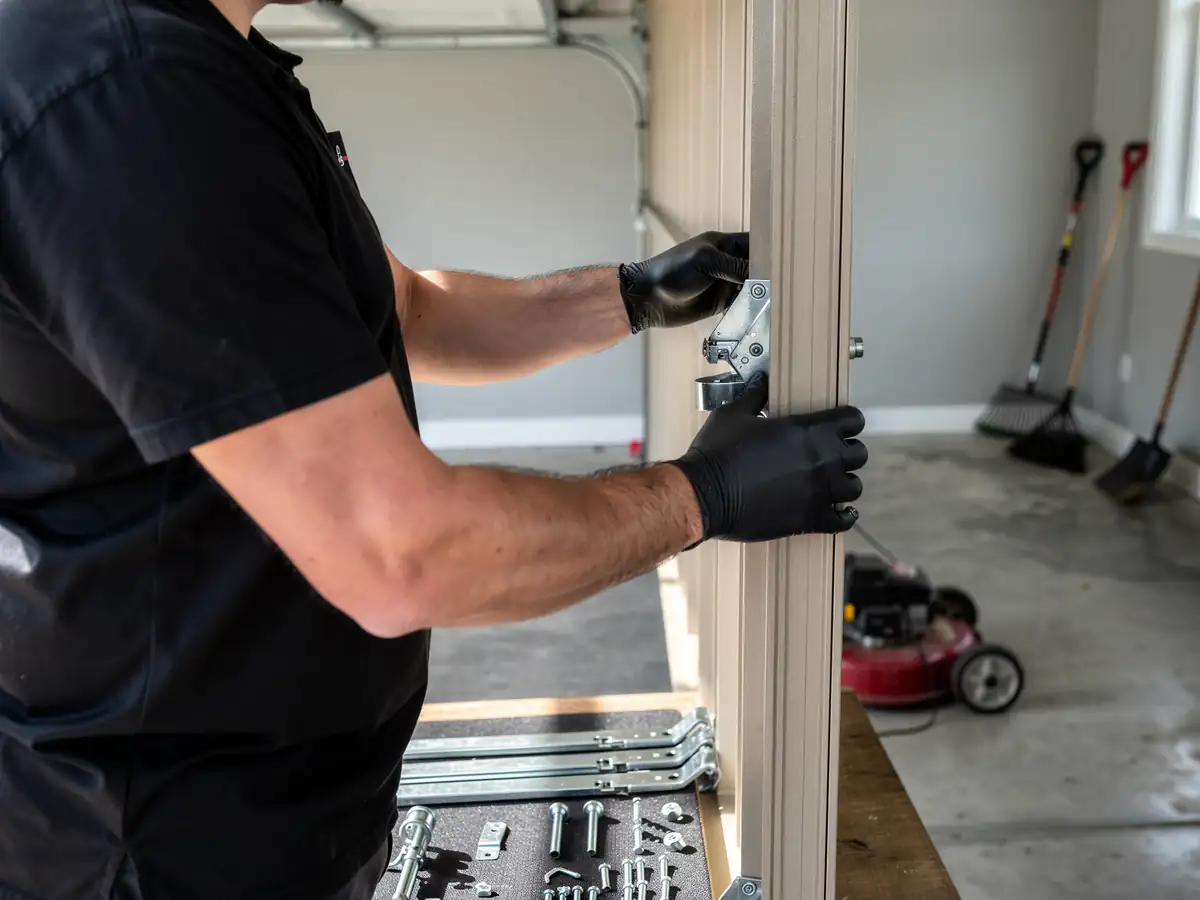
Up past Mountainaire and Kachina Village on the way. We don't keep a crew or a depot out here - every job starts with a truck leaving Flagstaff, loaded with whatever your door needs once we know what we're looking at. That means we ask more questions on the phone before we come, not fewer. If you can tell us the brand on the opener, whether the springs are torsion (the coil sits on a bar above the door) or extension (coils run along the upper tracks), and roughly how old the door is, we show up with the right parts the first time instead of a second trip. Out this far, a wasted trip costs real time for both of us.
- 12 miles
We're not going to pretend we're around the corner
We're not. What we can tell you is that the drive doesn't change what the job costs or how the work gets done once we're there.
What the Housing Means for Your Door
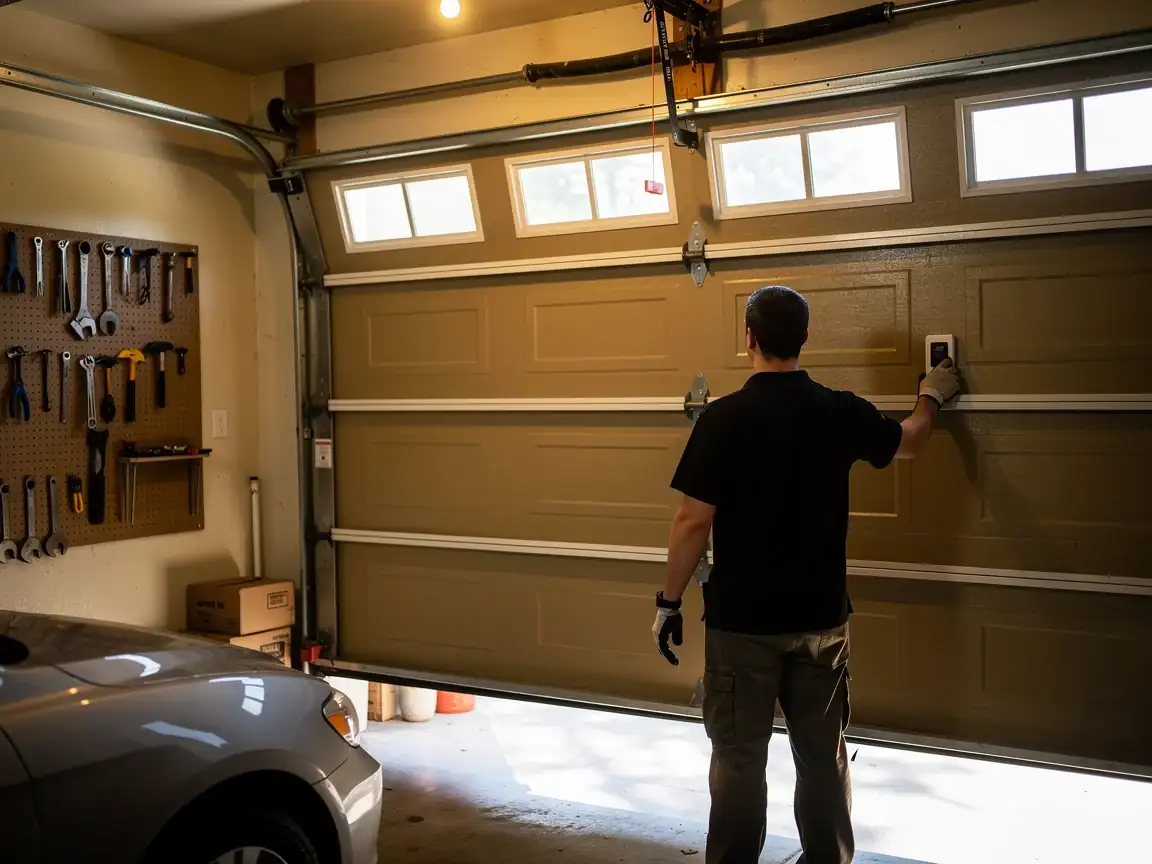
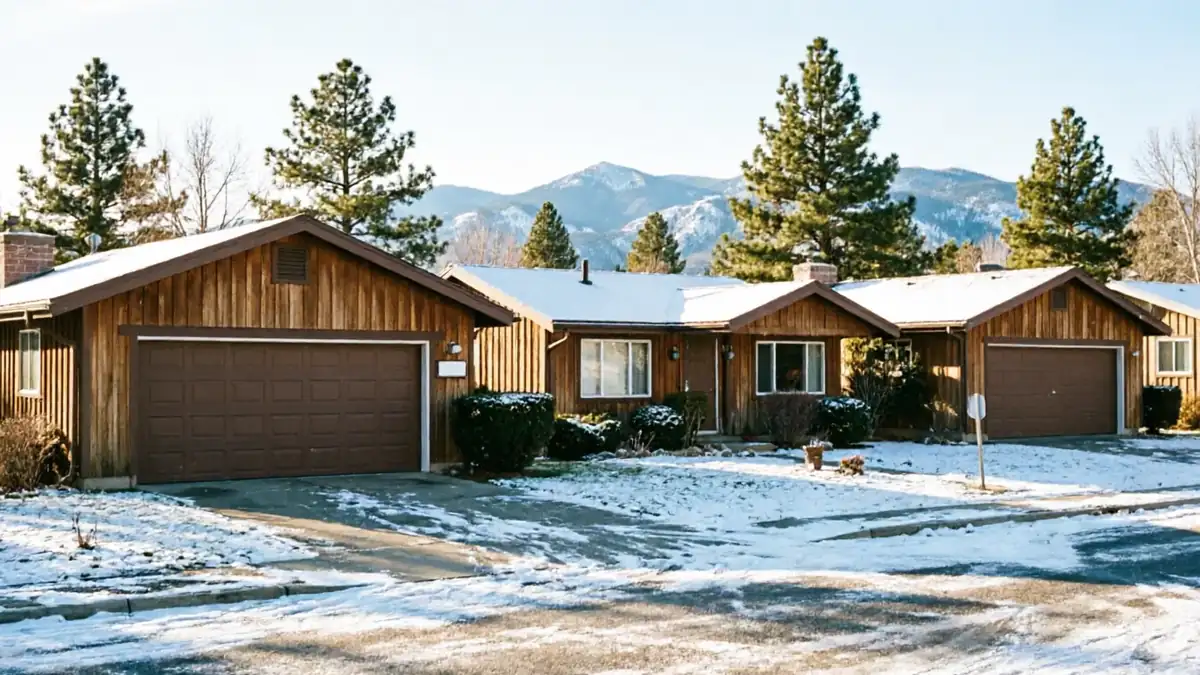
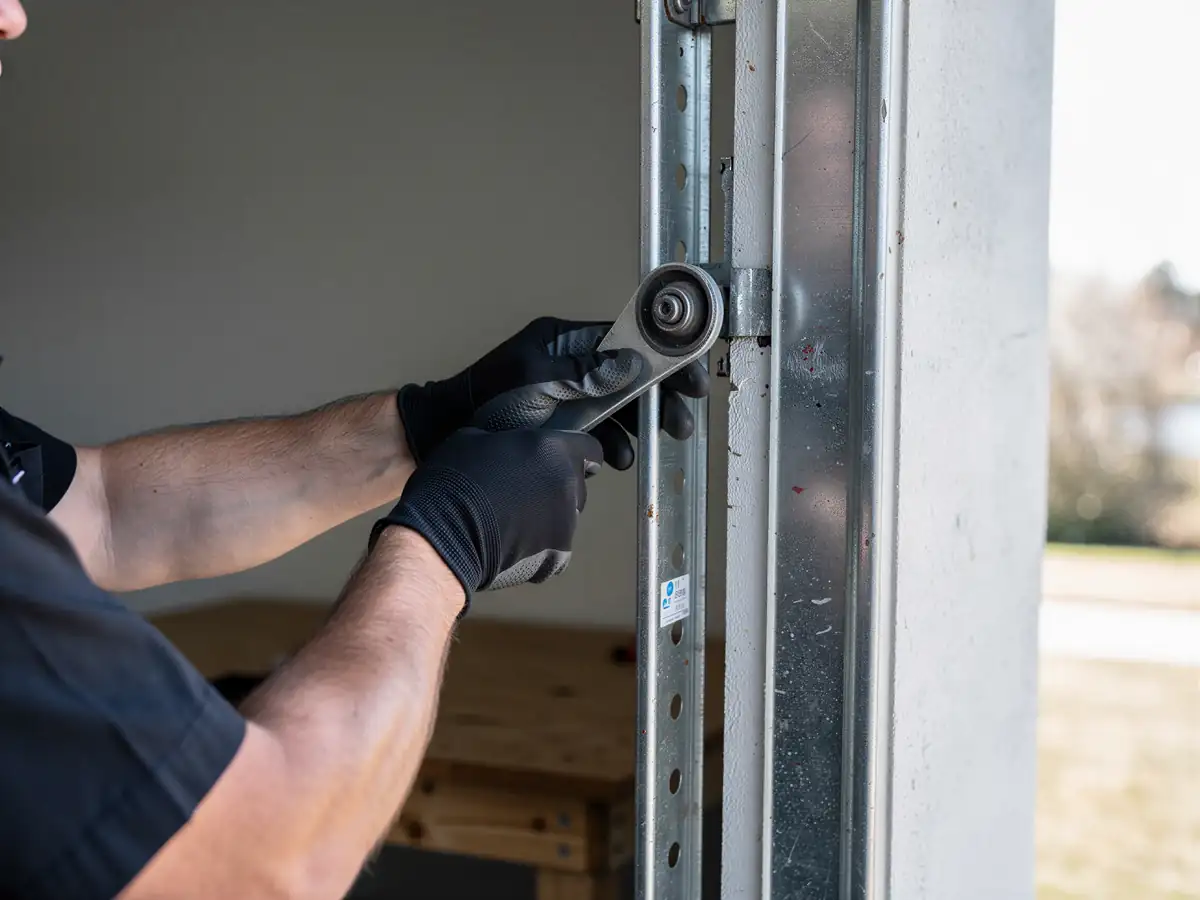
Most homes in Fort Valley date to around 1991, a few years newer than the typical build across our broader service area, which runs closer to the mid-1980s. That gap matters more than it sounds like it should. A door built in 1991 is more likely to be a steel panel door on extension springs mounted along the horizontal tracks, rather than the older torsion-and-spring setups you'll find on houses built a decade or more earlier closer to Flagstaff proper. Extension spring systems wear differently - the cables and pulleys take more of the daily stress, and that's usually where we find the failure, not the spring itself.
With about 718 households spread through Fort Valley, you're looking at a fairly consistent generation of door hardware, not the mixed bag of eras you get in an older neighborhood where every third house was rebuilt or remodeled. That consistency actually helps - when we know the build year, we usually know the hardware before we open the truck.
What People Here Ring About
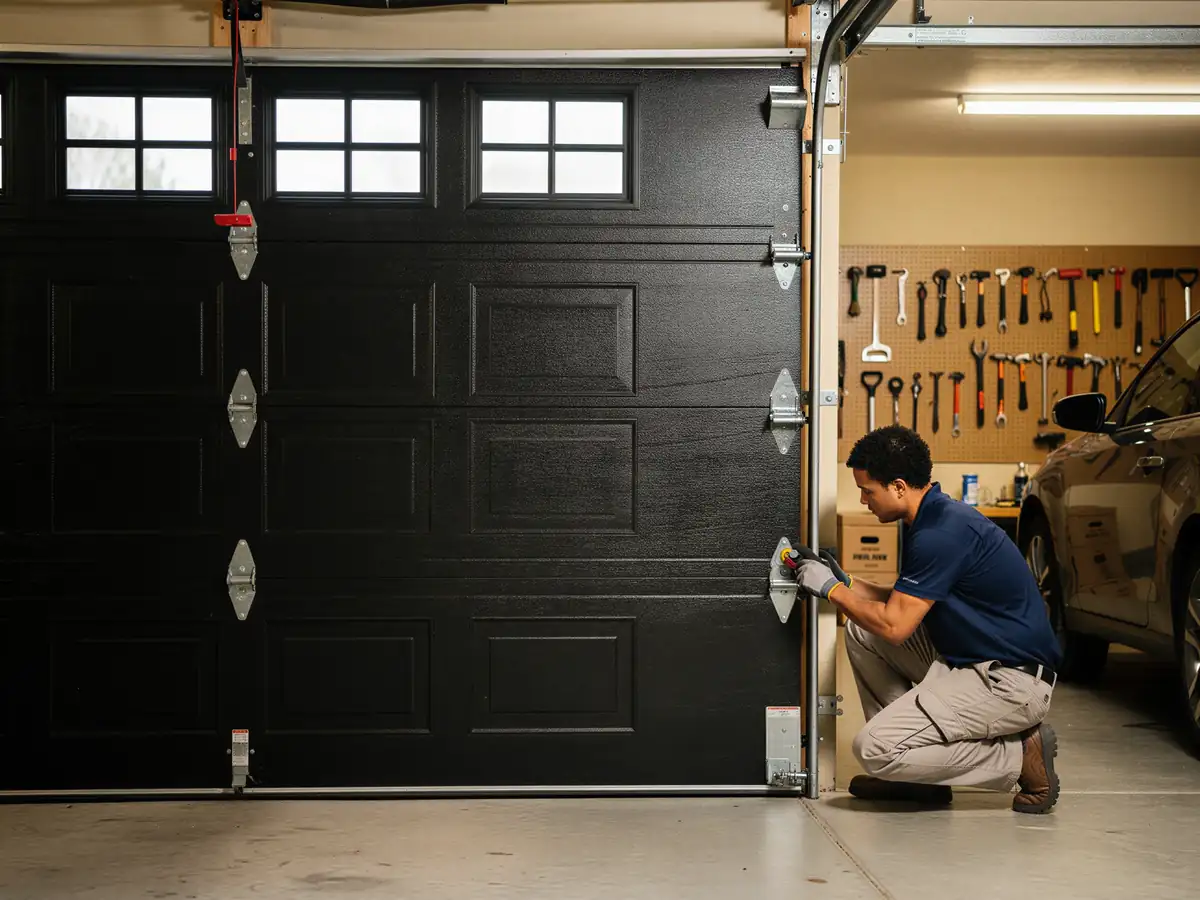
The calls from Fort Valley tend to run a specific direction: frayed or snapped cables on extension-spring doors, rollers that have gone loud or stiff, and openers struggling in cold mornings when the grease in the gears thickens up. The region's climate is classified as severe cold, and that shows up hardest in whatever's moving - rollers, hinges, chain-drive openers that groan before they loosen up.
We get fewer calls out here about torsion spring failure simply because fewer of these doors have torsion springs in the first place. That's not a guess - it follows from the 1991 build pattern. What we do see is cable wear and track misalignment from houses settling over three decades at this elevation. None of it is dramatic. Most of it is the kind of thing that gets worse slowly until the door won't open one cold morning and you're standing in the driveway at 6am wondering why.
The Houses Here
Median household income in Fort Valley runs about $157,778
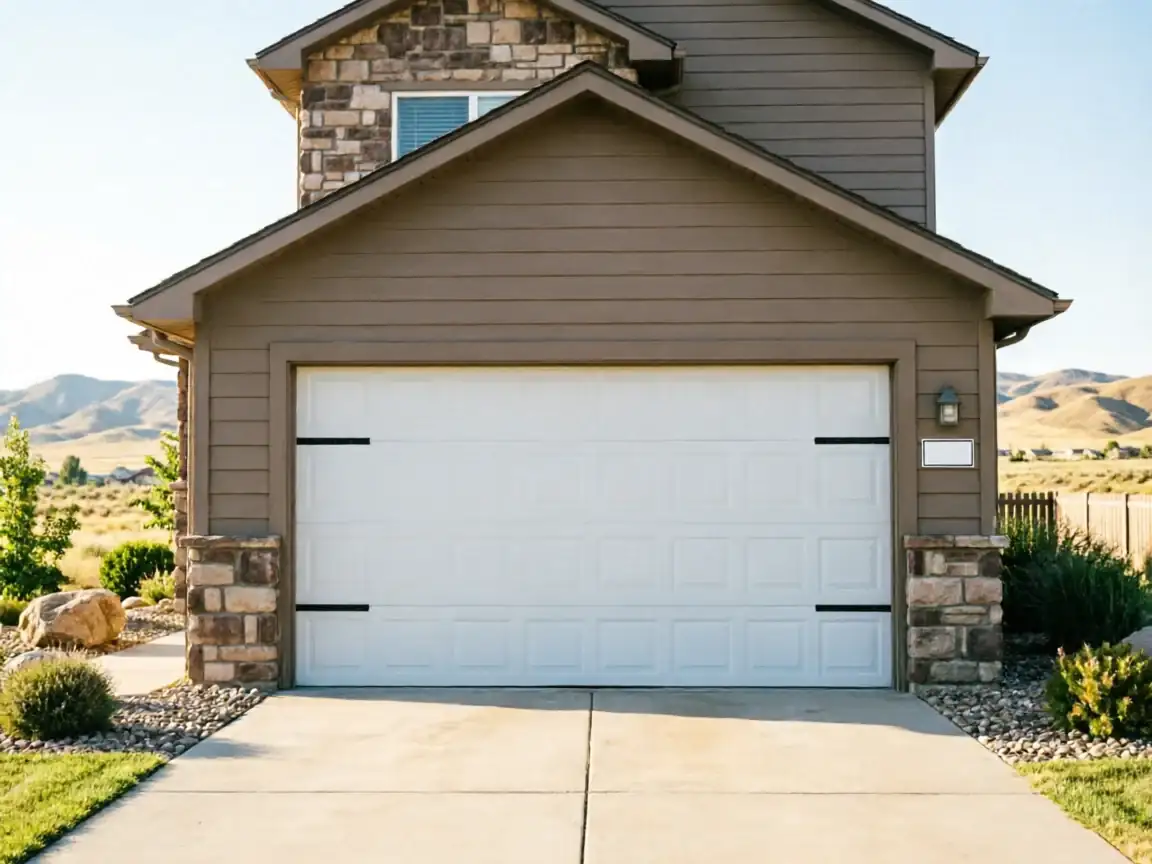
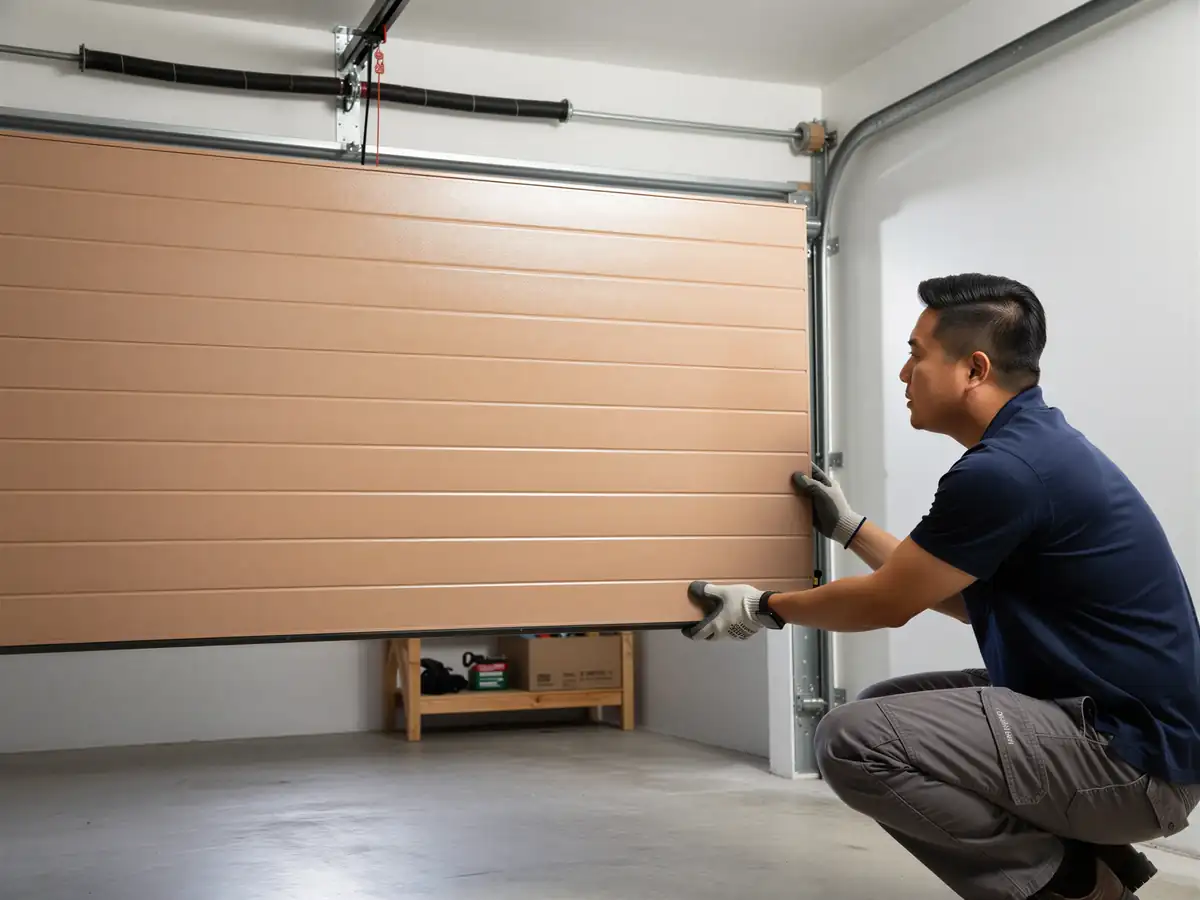
Well above the $94,457 figure for the service area as a whole. That tracks with what we see on the ground - doors that were a step up when installed, insulated steel panels rather than bare aluminum, openers with battery backup more often than not. Higher-end doesn't mean maintenance-free, though. Insulated panels hide hairline cracks in the foam core longer than bare steel does, and by the time you notice, the panel usually needs replacing rather than patching.
We won't tell you a door needs replacing if a repair will hold
But on a 1991-era insulated panel with real damage, patching it is often more expensive over time than swapping the panel, and we'll say so plainly instead of running up a bill on a fix that won't last the winter.