The Cost of This Job
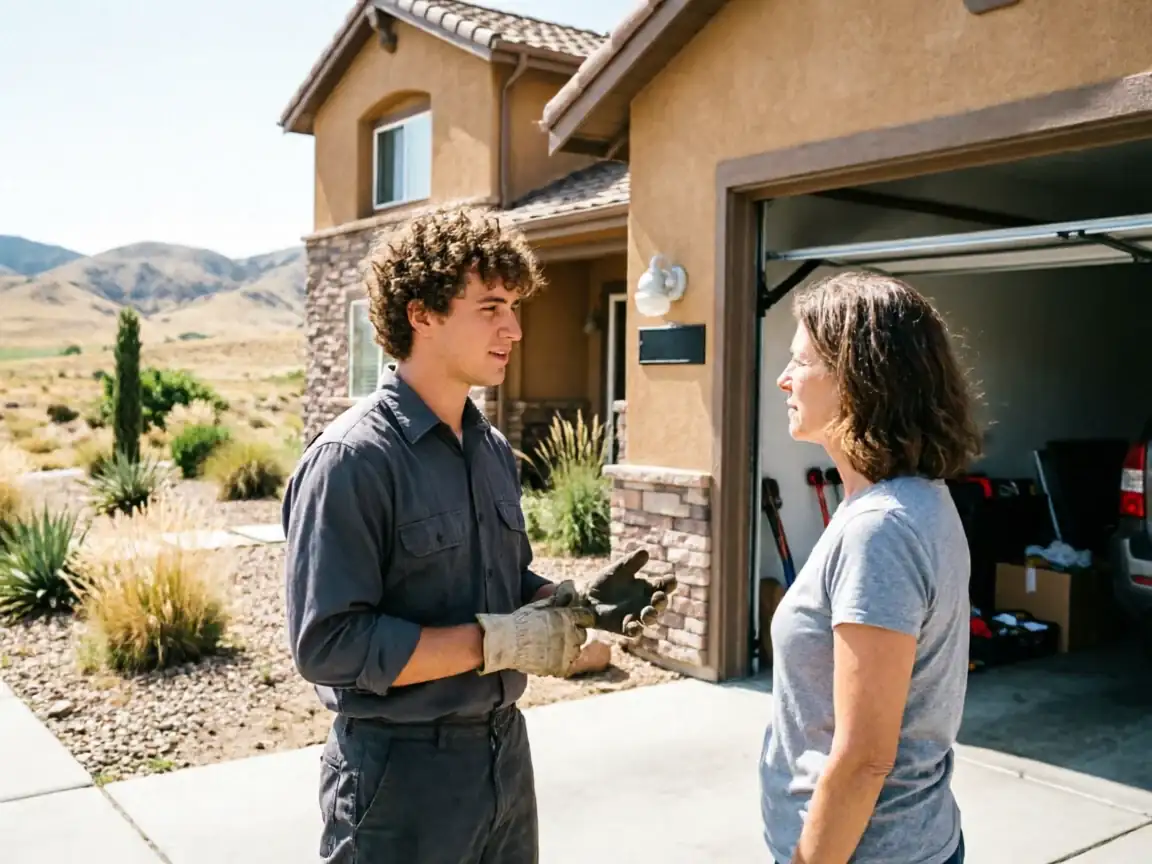
We don't quote a number until we've seen the door
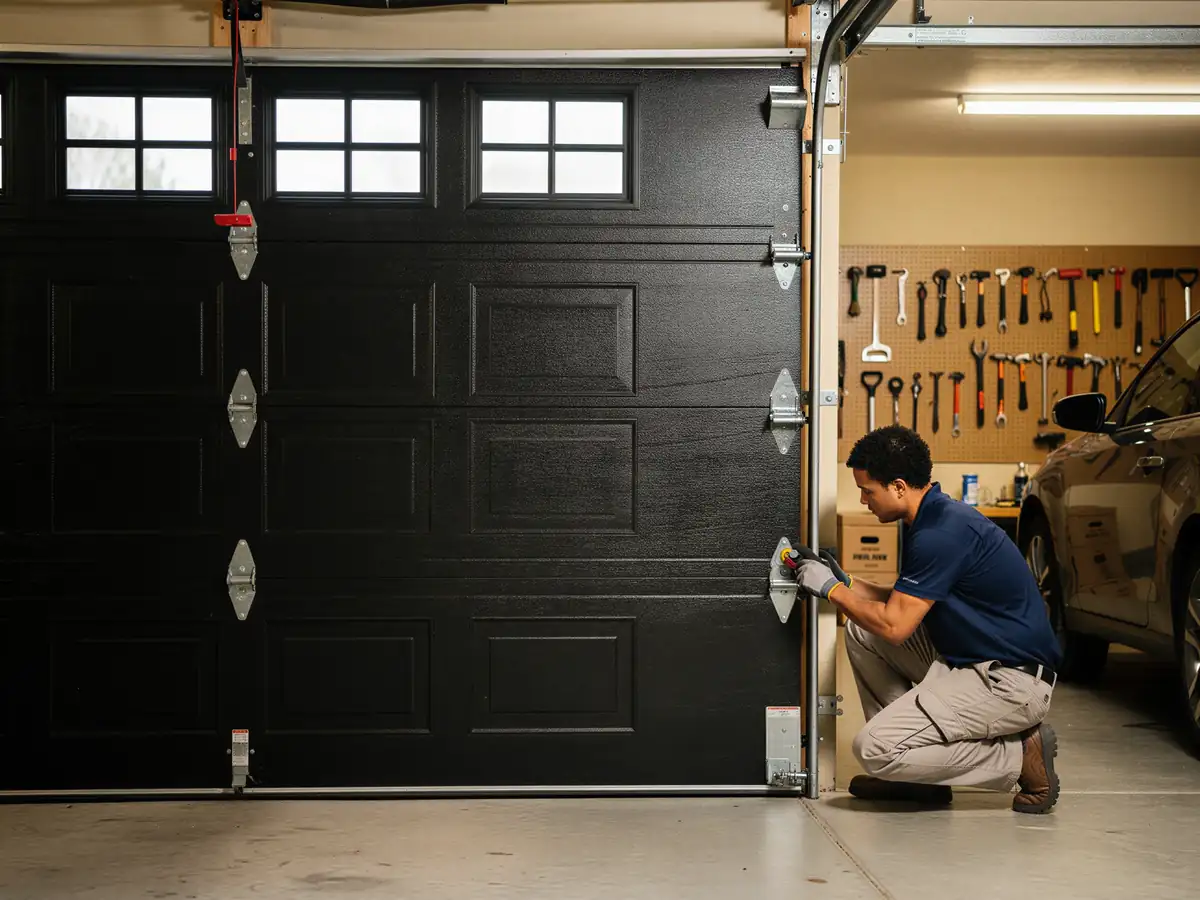
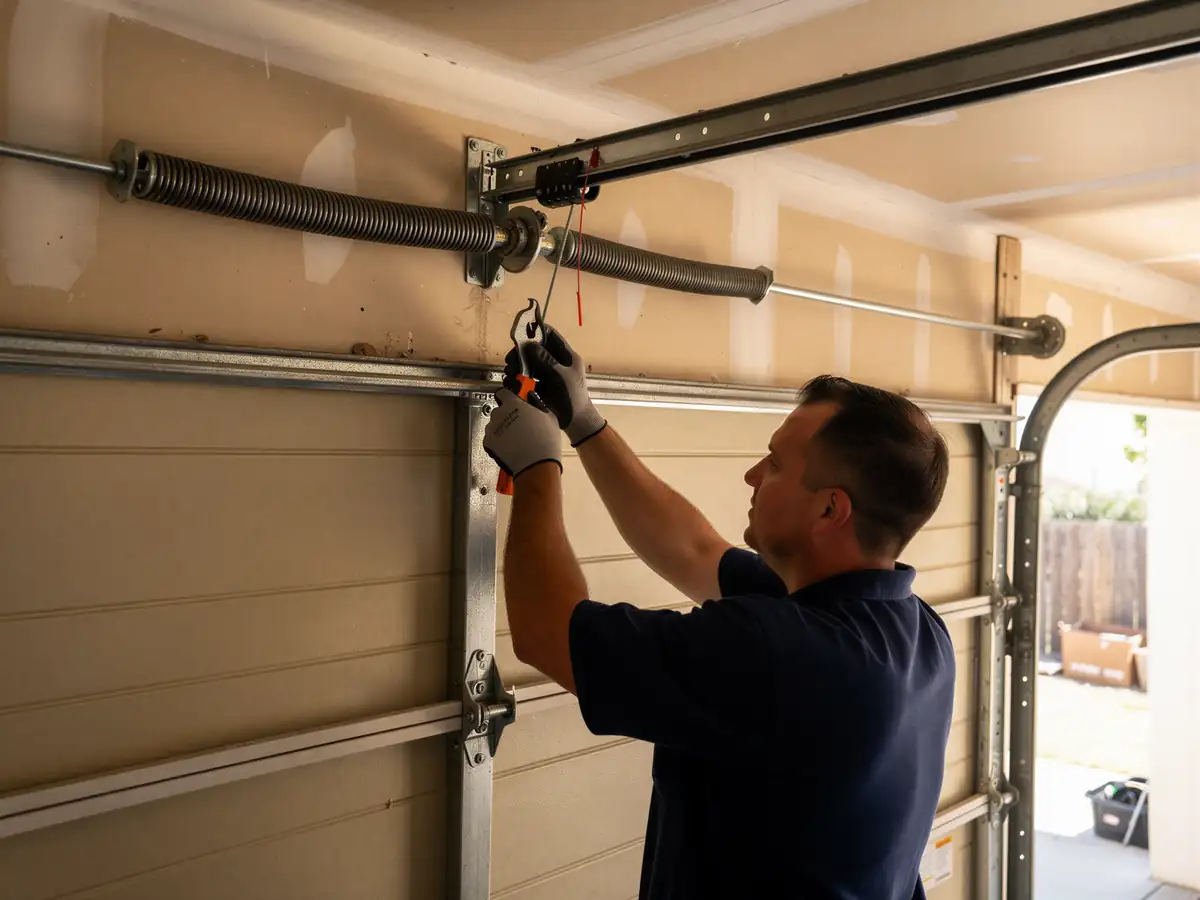
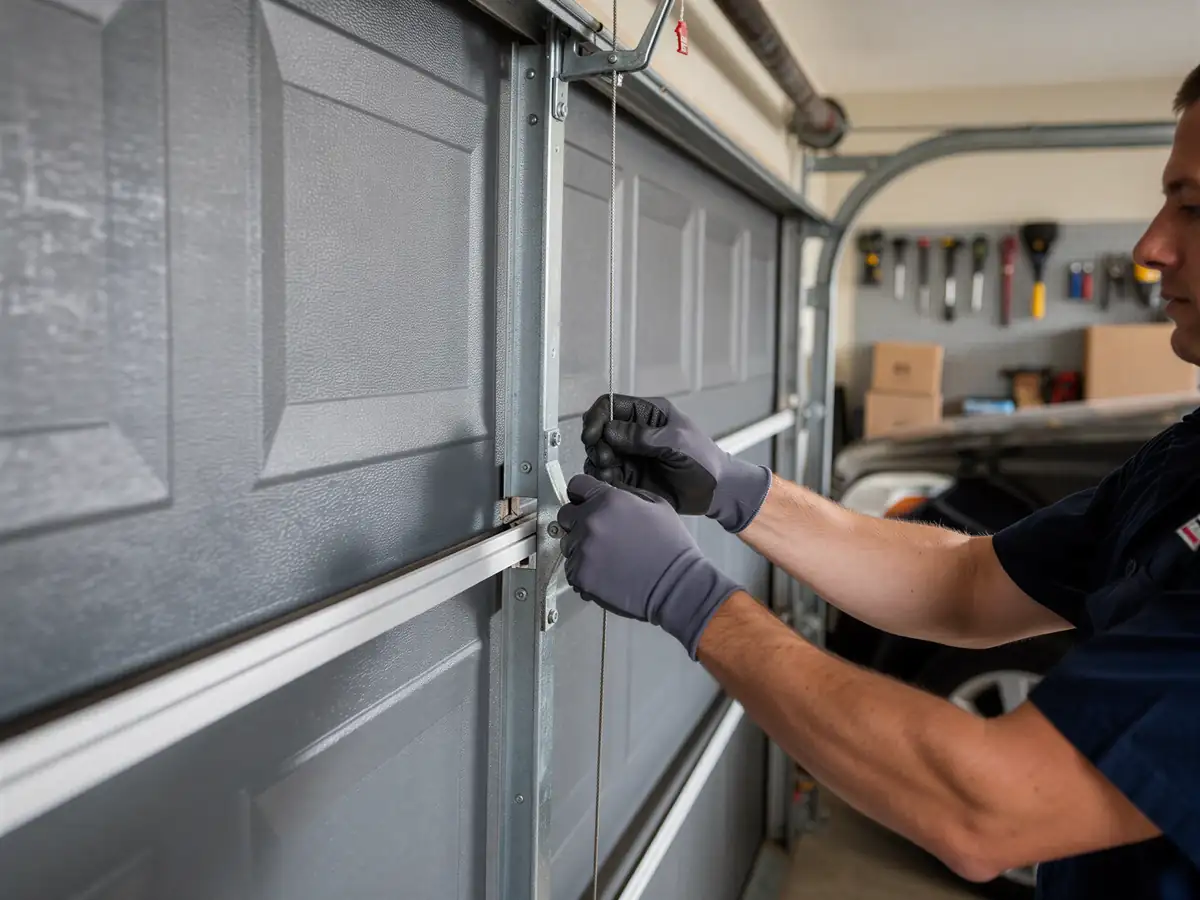
Because what drives the bill isn't the door's age by itself - it's which parts failed and whether we can still get them. A torsion spring snap on a standard door is usually a straightforward swap. A bent track, a cracked panel on a door nobody makes that profile for anymore, or an opener board that's corroded from decades of cold garage air - those jobs cost more because we're often sourcing parts instead of grabbing them off the truck.
Here's the honest part
On a door from the mid-1980s, we sometimes can't get an exact replacement panel or a matching opener logic board. When that happens, repair stops being the cheaper option and starts being the slower, costlier one, because we're hunting for parts or adapting hardware that wasn't designed for that door. We'll tell you straight when we hit that wall instead of running up a bill trying to force a fix. If the structure of the door - the frame, the tracks, the opener mount - is sound, repair usually wins. If the door itself is the problem, replacement is often the better use of your money, and we'll say so before we start.
The Situation
Most of the houses in this service area went up between 1985 and 1991, with a median build year of 1985. That's not a small pocket - it's the dominant pattern across four named areas, meaning a big share of the garage doors and openers out there are original equipment from that build window, now approaching forty years of use.
That matters because doors from that era were built to different standards than what's sold today: lighter gauge steel on some models, single-layer construction with no insulation core, openers with mechanical limit switches instead of digital ones. None of that made them bad doors. It means that when something fails on one of them, you're not dealing with a modern part on a modern frame - you're dealing with hardware and dimensions that were standard in 1985 and aren't standard now.
We see this same pattern whether we're out near Mountainaire, up toward Kachina Village, out by Fort Valley, or as far as Munds Park - the building boom that shaped this area put up a lot of houses in a short stretch, and a lot of those garage doors are reaching the end of their expected working life around the same calendar years, not spread out randomly.
How Local Conditions Play In
Flagstaff sits in a climate band classified as severe cold, and that's not just a label - it does specific things to garage door hardware over decades. Torsion springs lose tension faster when they go through repeated hard freeze and thaw cycles; the steel fatigues at a different rate than it would in a mild climate. Nylon rollers crack and chip in cold temperatures long before they'd wear out in a warmer market. Weatherstripping and bottom seals on a 1985-era door were rubber compounds that harden and crack faster once they've been through thirty-plus winters of that kind of temperature swing.
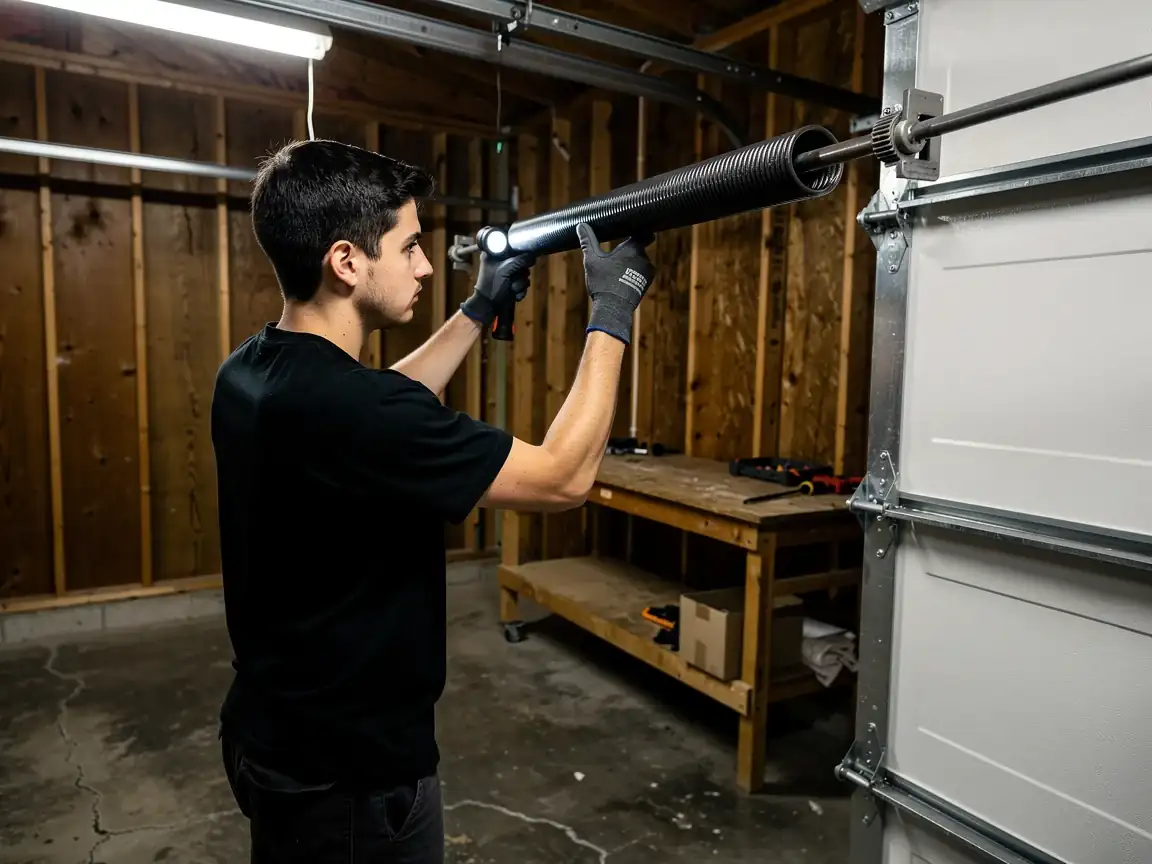
On an original door from that build era, we commonly find the spring tension is well off from what it should be, the rollers are brittle rather than just worn, and the seals have given up entirely - not because the door was poorly made, but because cold-climate aging on 1980s hardware just runs faster than people expect. That's the real question behind whether a repair is worth it: is it one part that failed, or is the whole set of age-and-cold-related wear showing up at once. One part, fix it. Everything at once, that's a different conversation.
When Waiting Is Fine
Not every old door needs attention right now
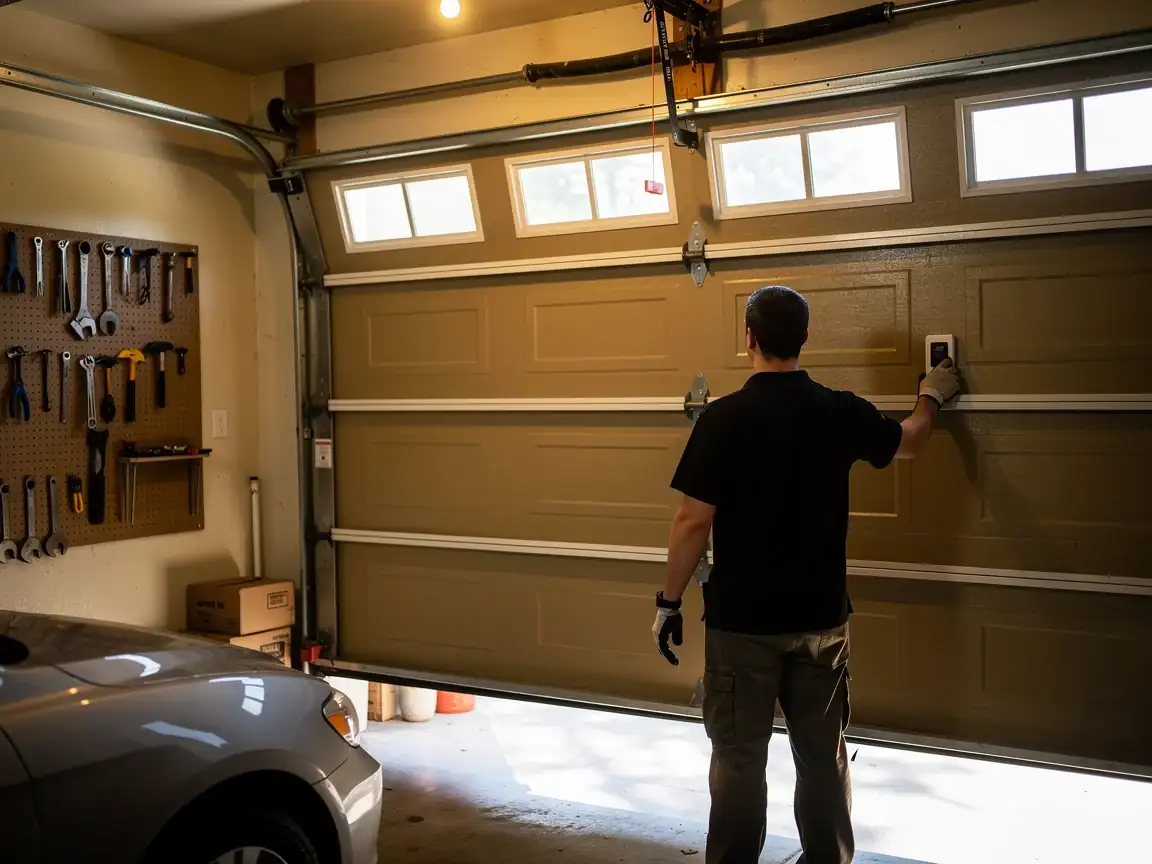
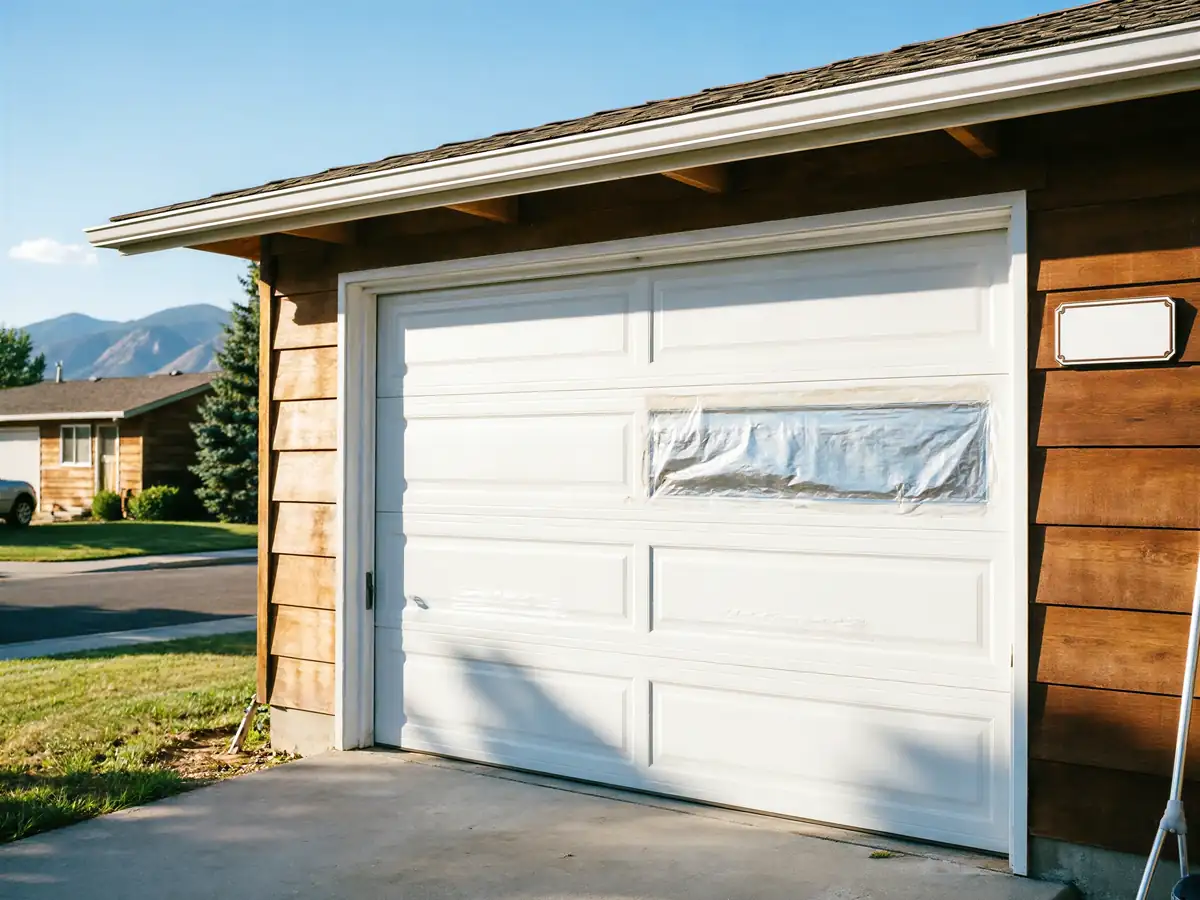
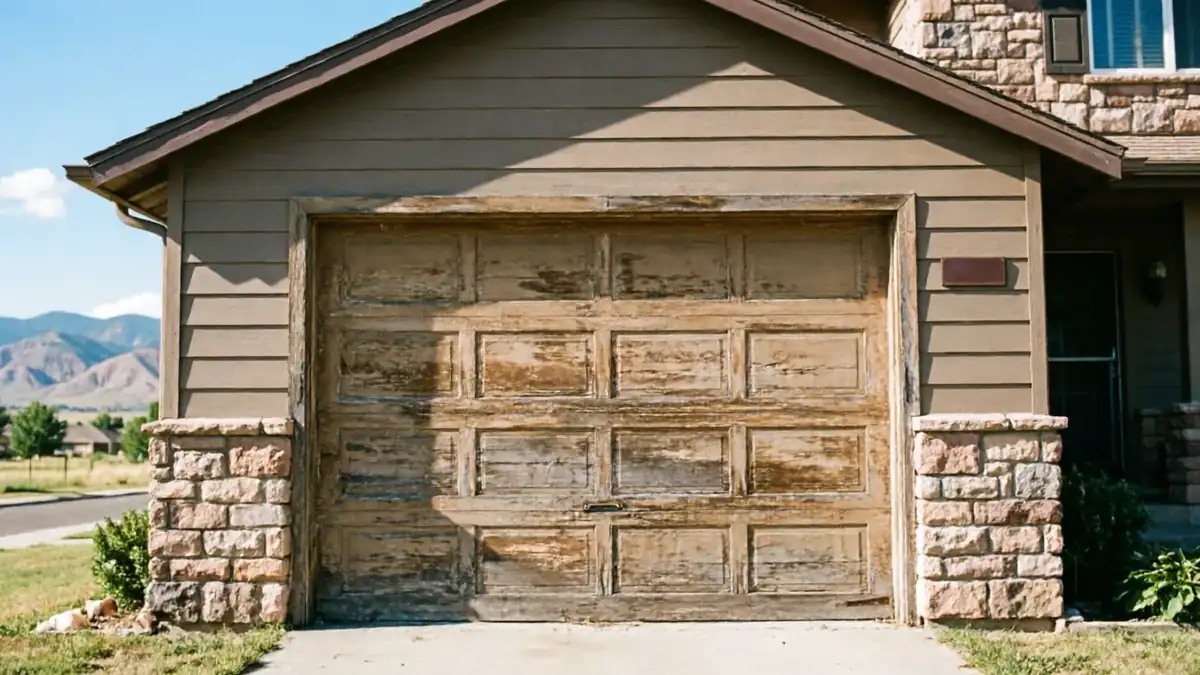
If your door is original to a house built in that 1985-to-1991 window and it's still opening smoothly, closing fully, and the spring isn't making noise or looking stretched, there's no reason to replace it just because of its age. Cosmetic wear - faded paint, a dented bottom panel from a stray bumper tap, minor surface rust that hasn't gone through the steel - is cosmetic. It doesn't affect safety or function, and fixing it on a schedule you choose is smarter than fixing it on an emergency basis.
The honest limitation here
We can't tell you from a phone call whether your specific door falls into the fine-to-wait category or the fix-it-now category. Torsion springs in particular don't always give much warning before they go, and a spring under tension is not something to inspect yourself. If the door is working and nothing looks or sounds off, you can reasonably wait. If you're already hearing a grinding sound, seeing visible gaps in the coil, or the door's started dropping unevenly, that's not a wait-and-see situation anymore.