What the Housing Means for Your Door
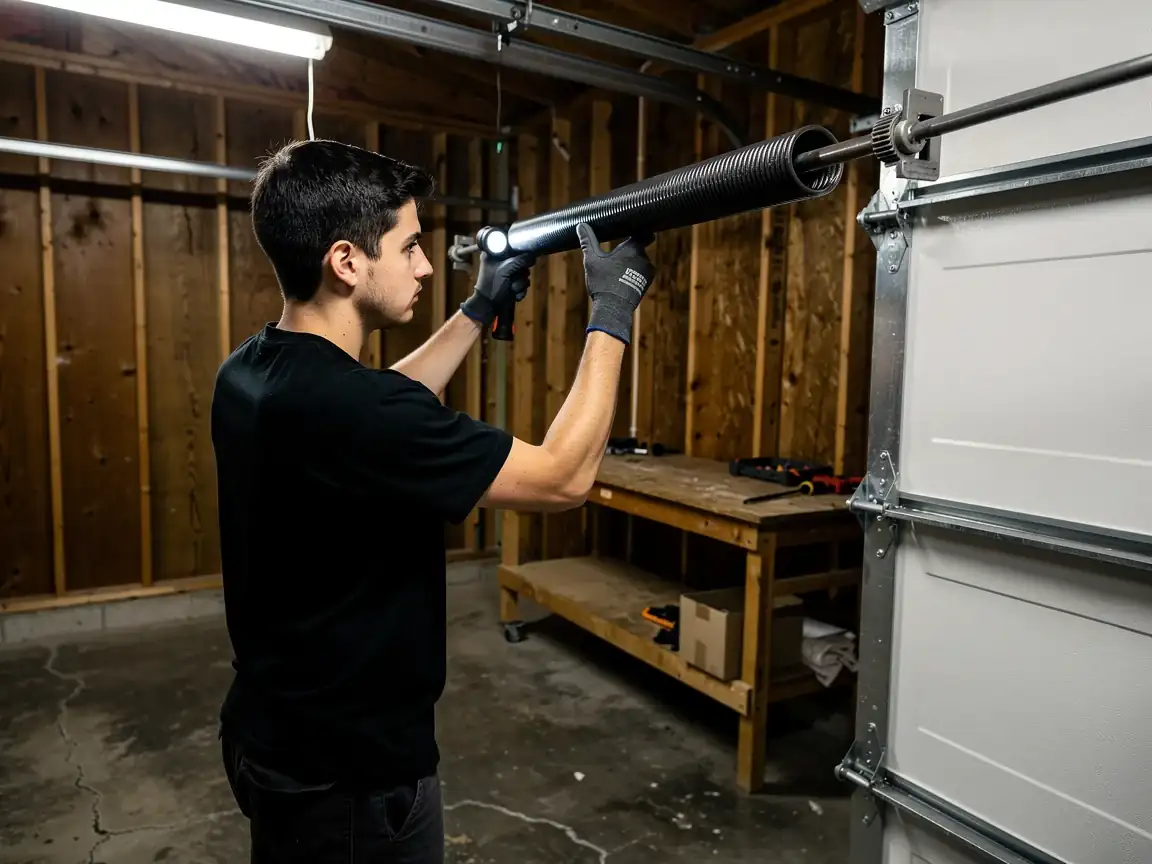
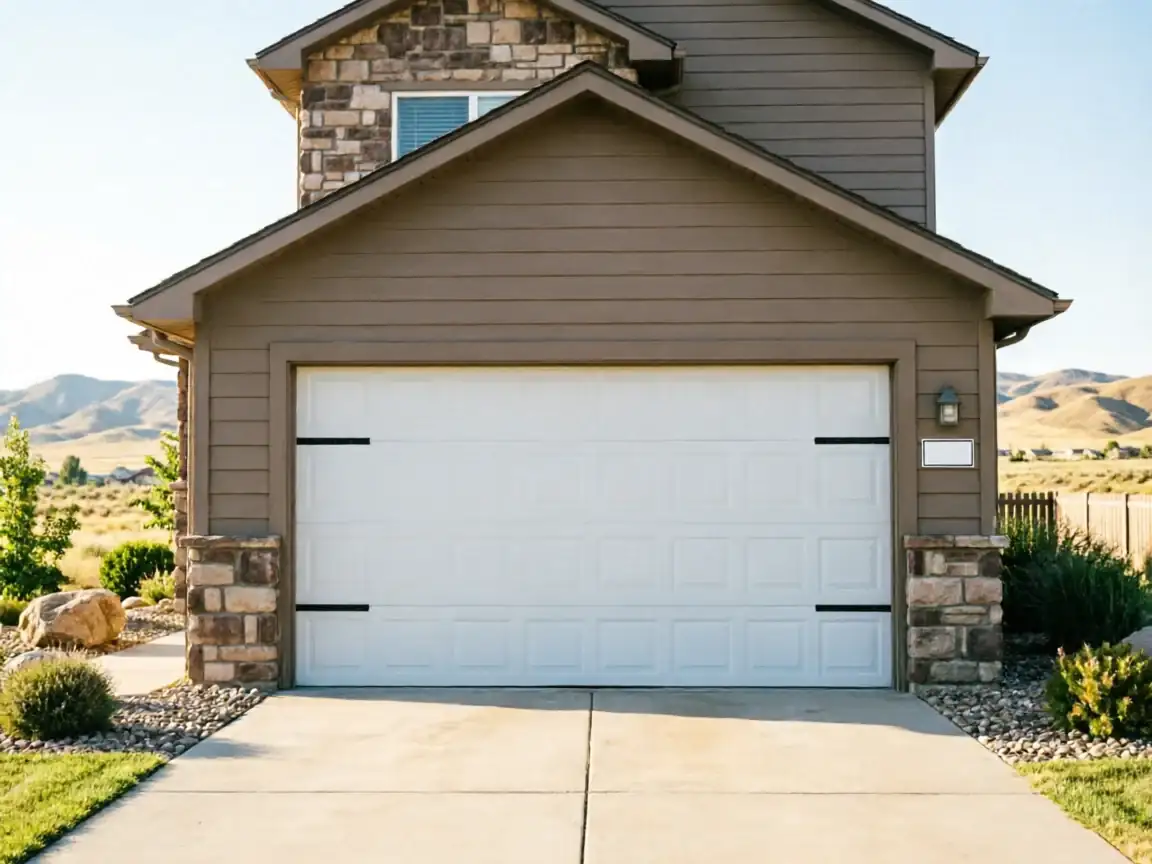
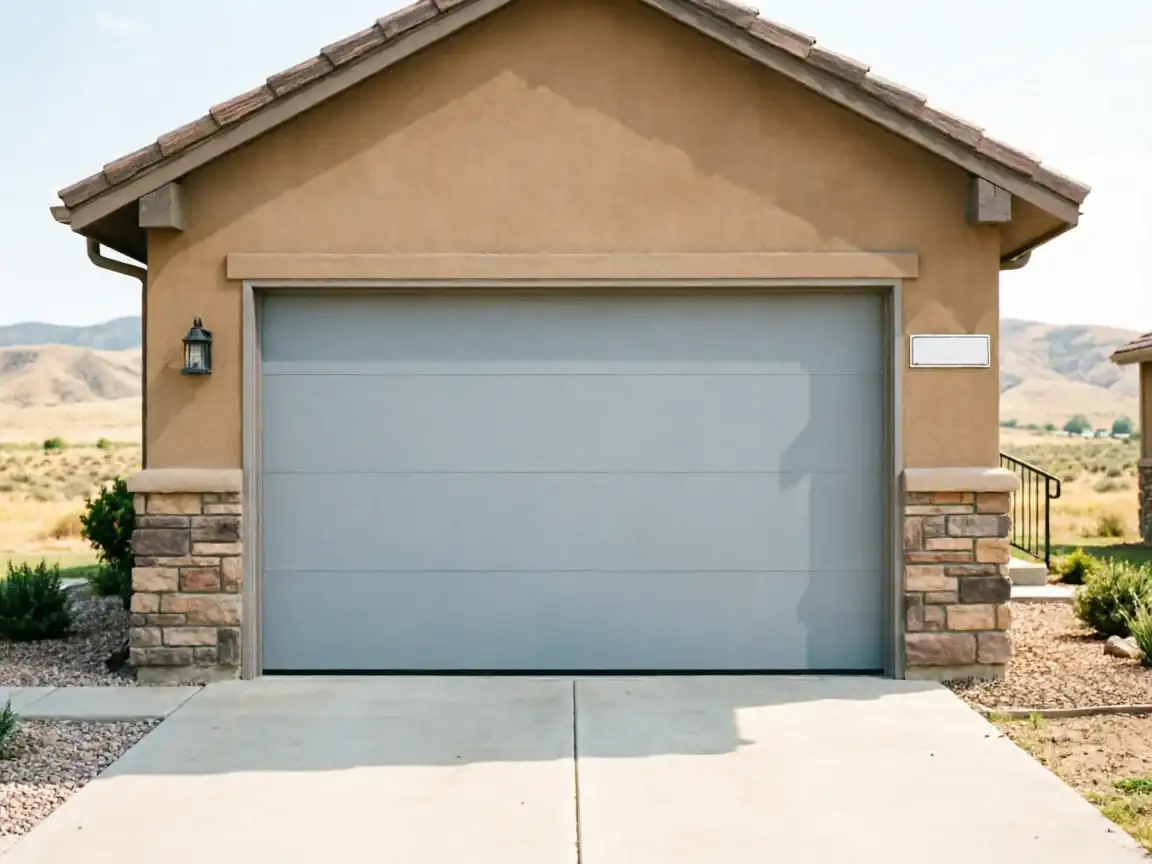
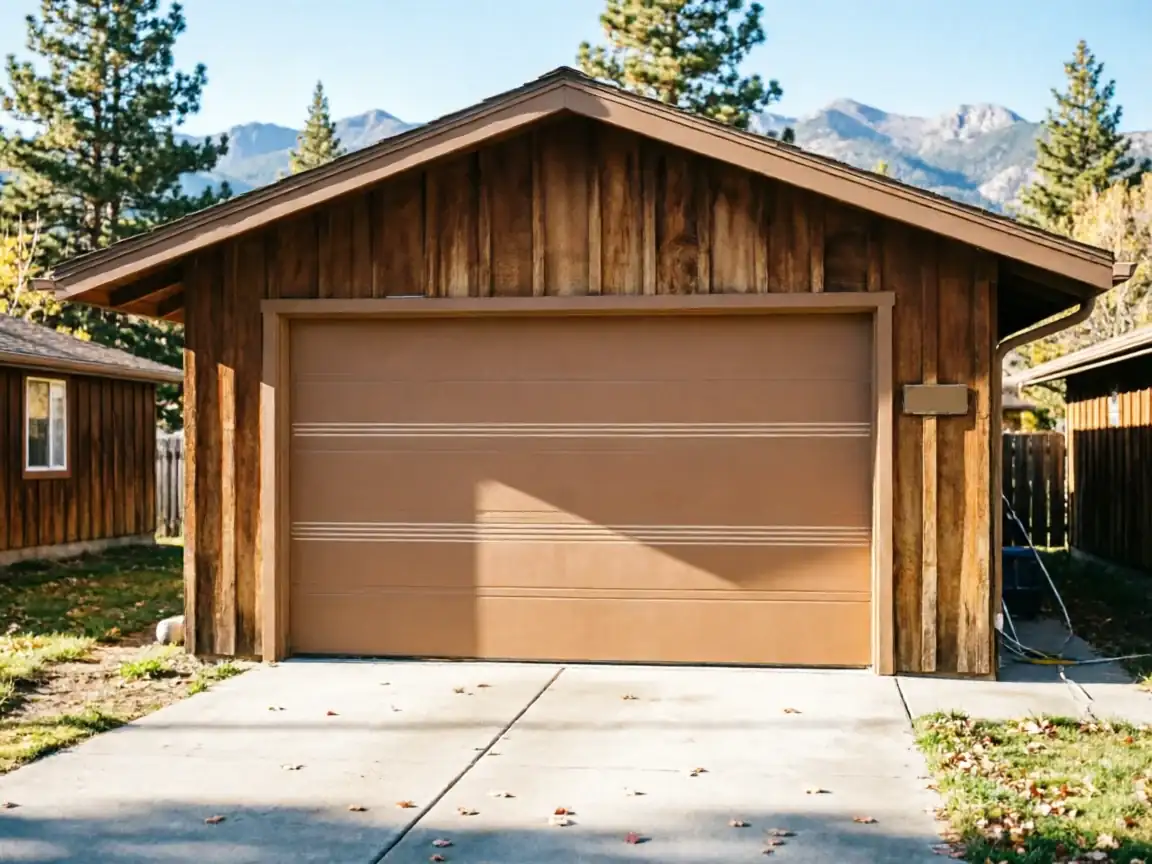
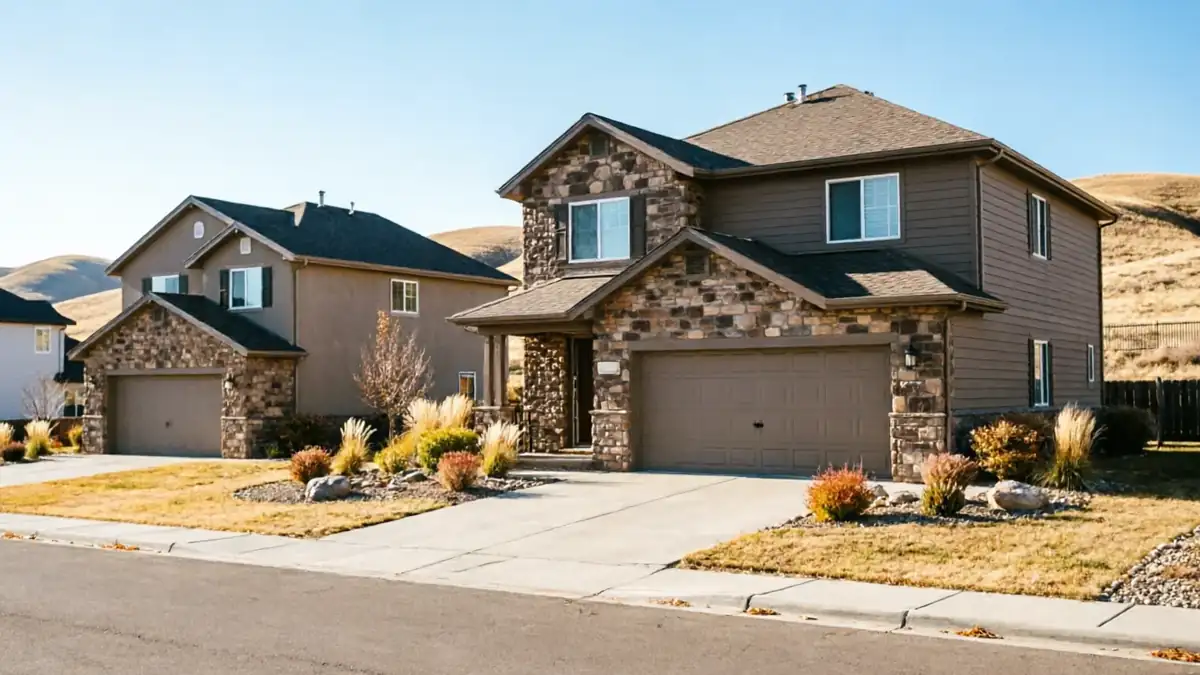
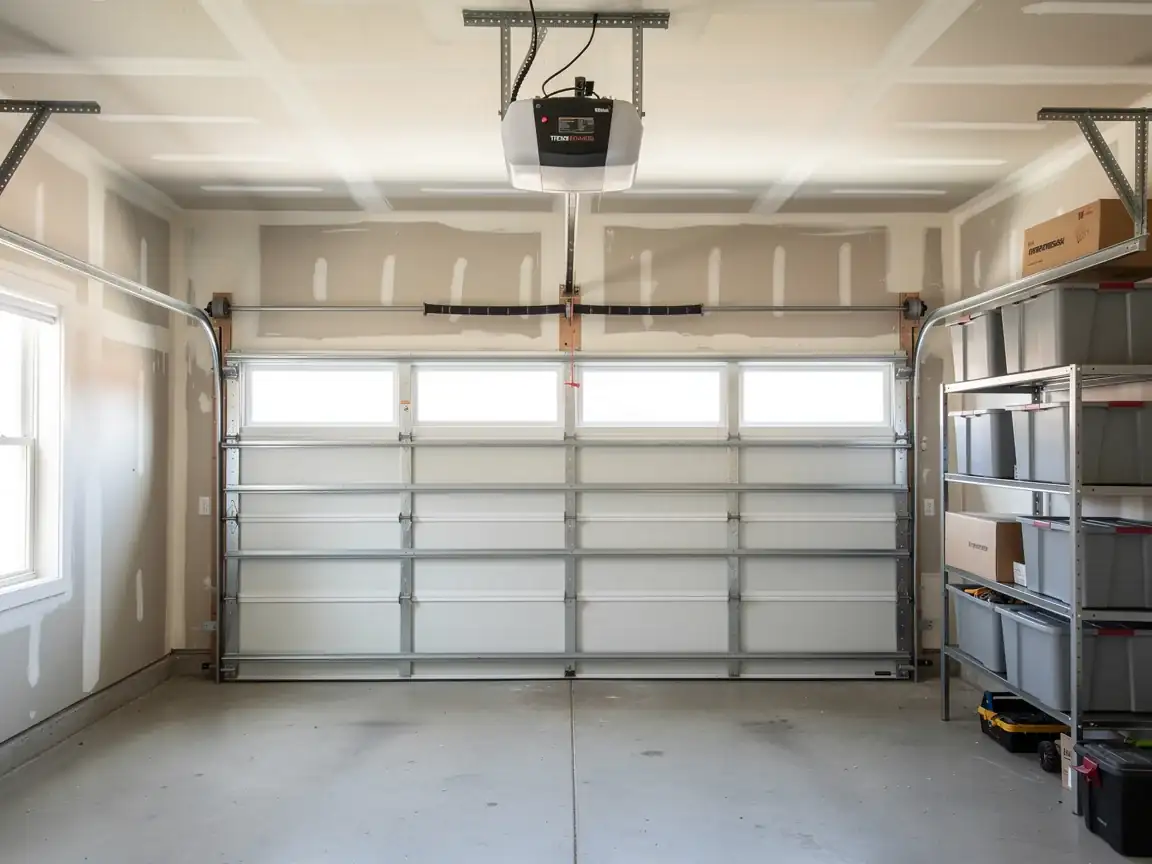
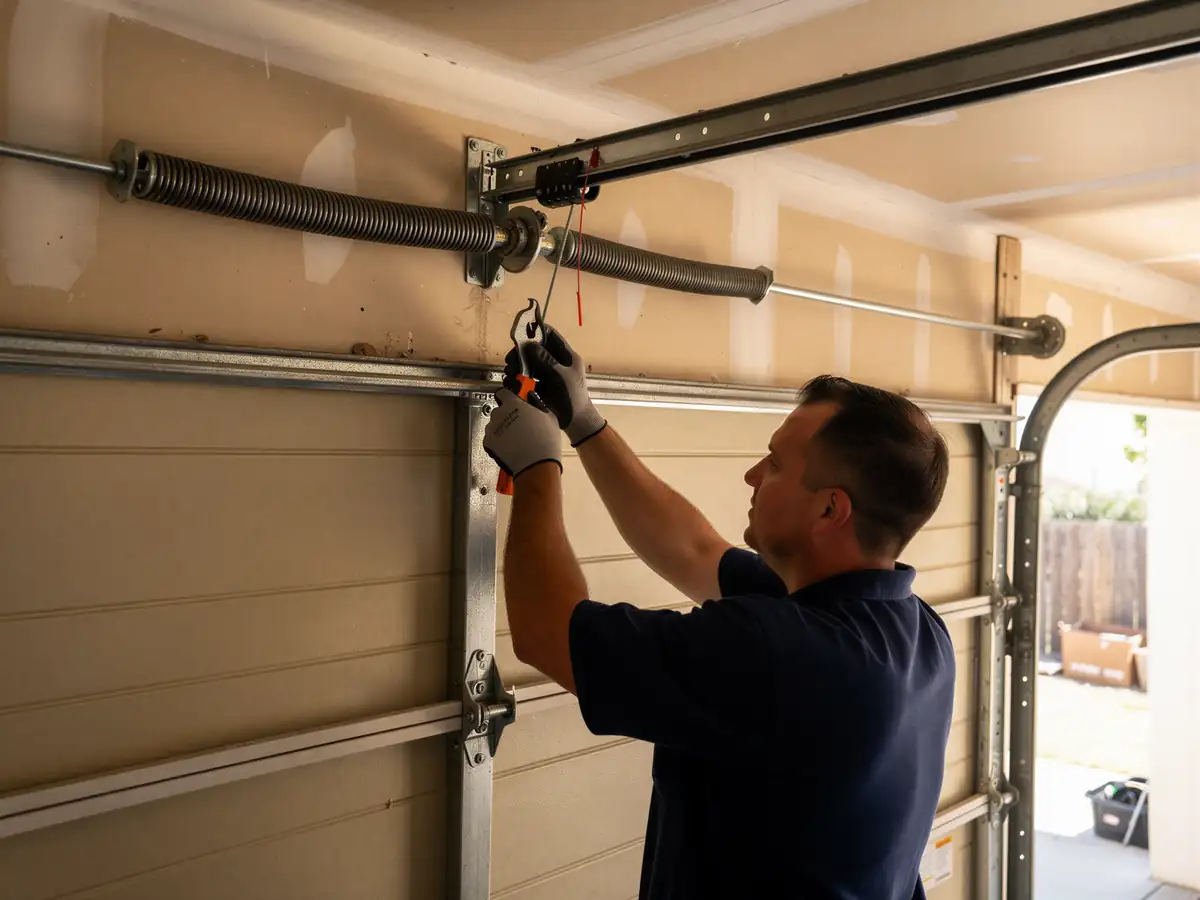
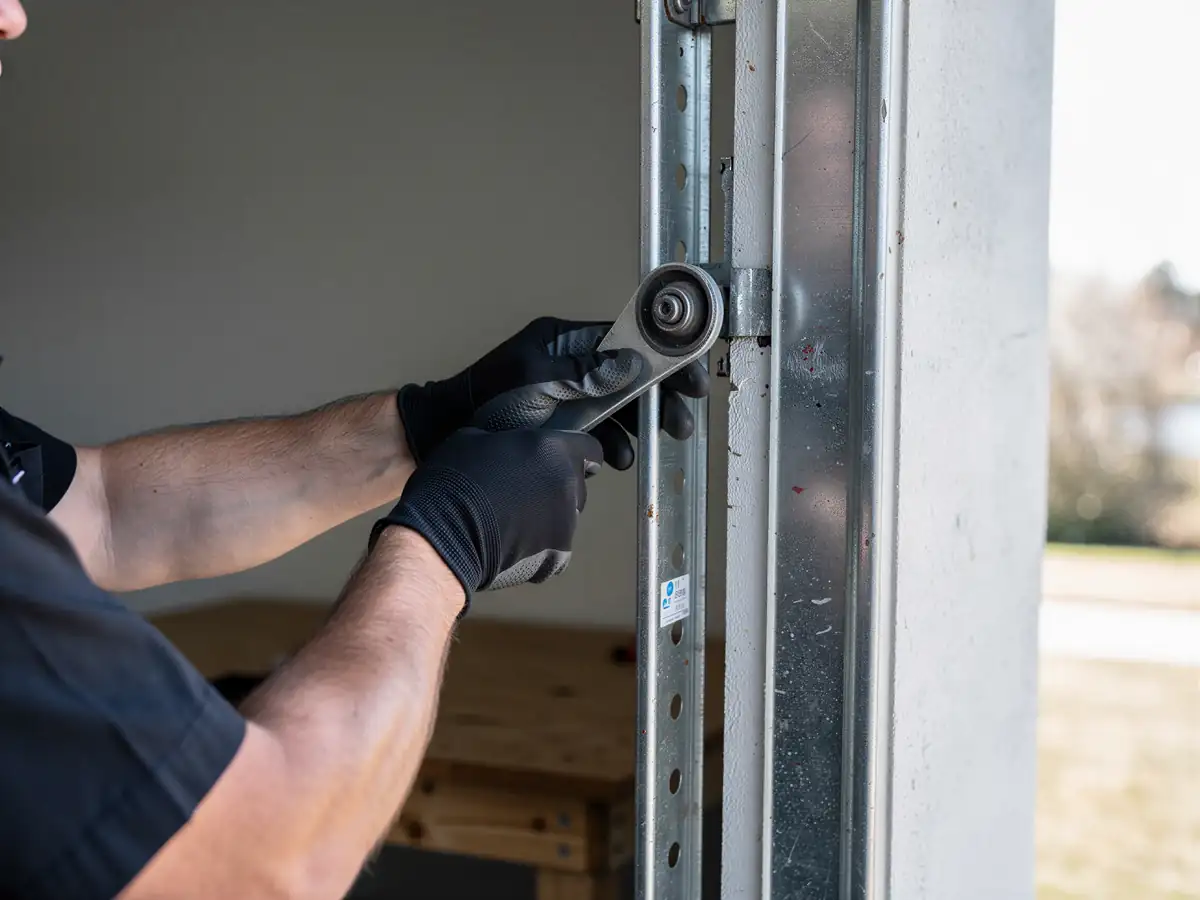
The houses in this part of the service area were mostly built around 1986, which puts them in a pretty narrow window - post-energy-crisis construction, before a lot of the plastic and composite hardware started showing up in production doors. That means steel sectional doors on extension or early torsion systems, galvanized track that's now pushing forty years old, and openers that have likely been swapped at least once already even if the door itself hasn't. Original rollers from that era are usually steel on a dry stem, not the sealed nylon you'd get today, so they're loud and they groove the track over time rather than failing outright. If your door's never been touched since the house went up, the spring is almost certainly original too, and a spring from 1986 is not a spring you want to find out has failed while the car's halfway out.
What People Here Ring About
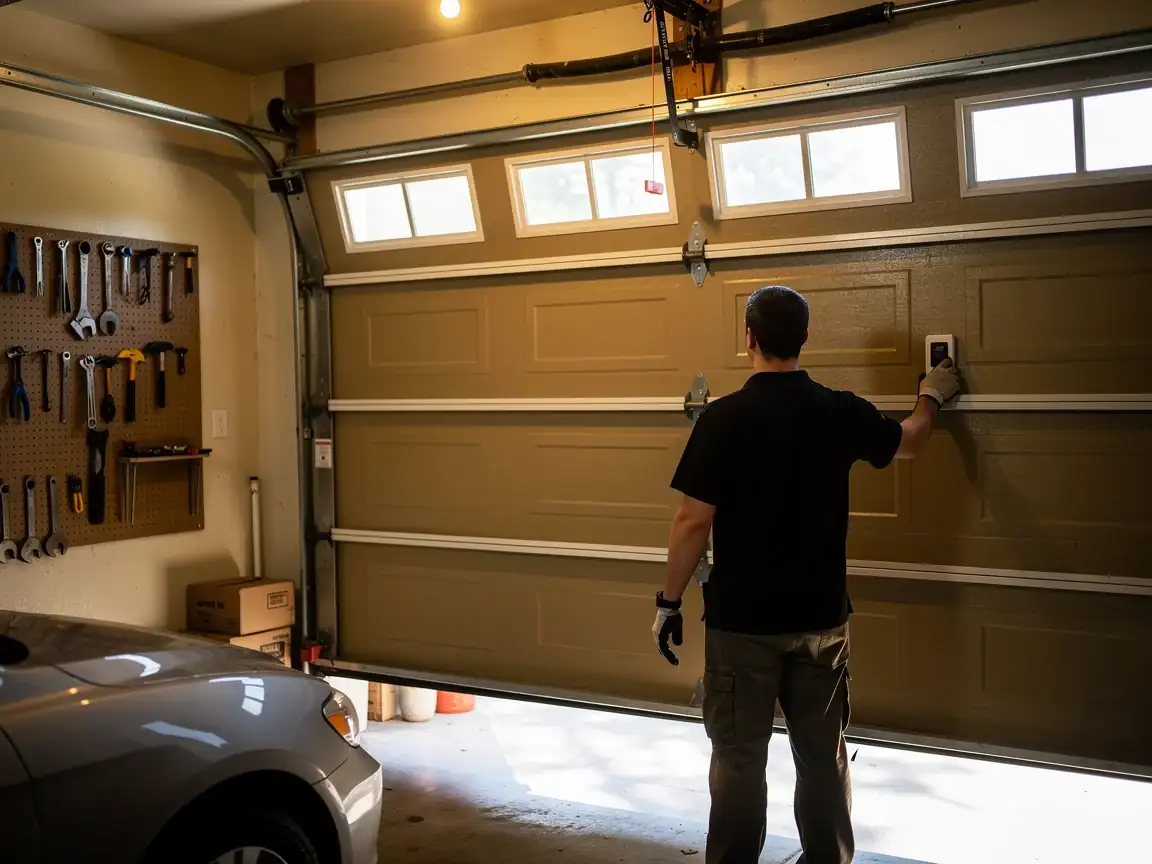
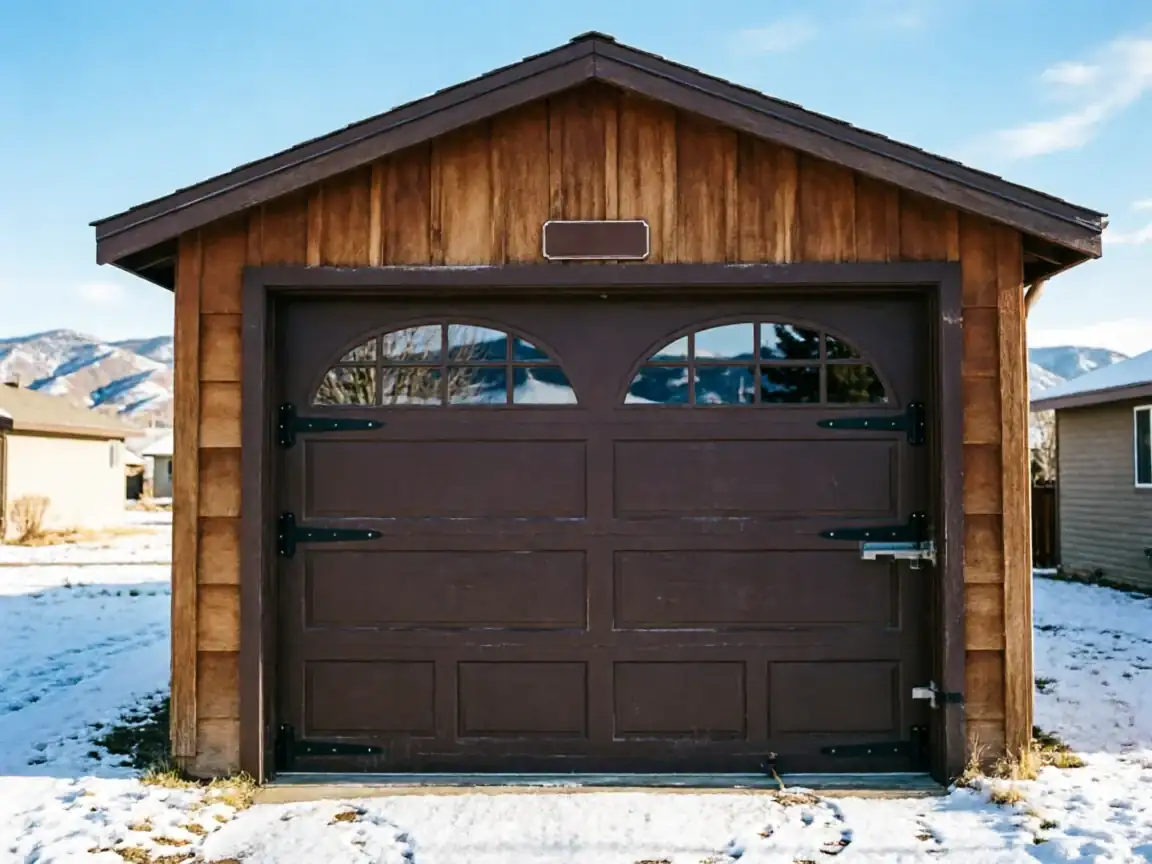
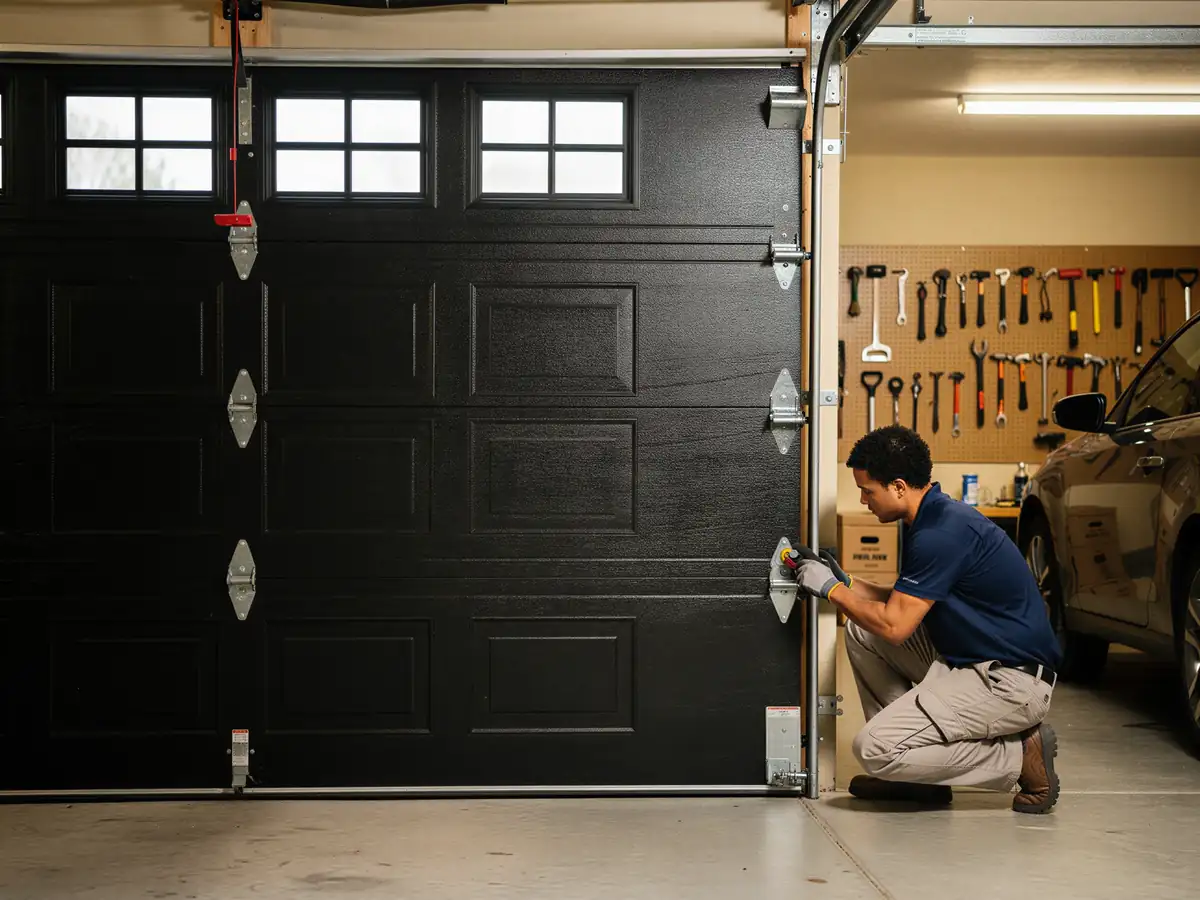
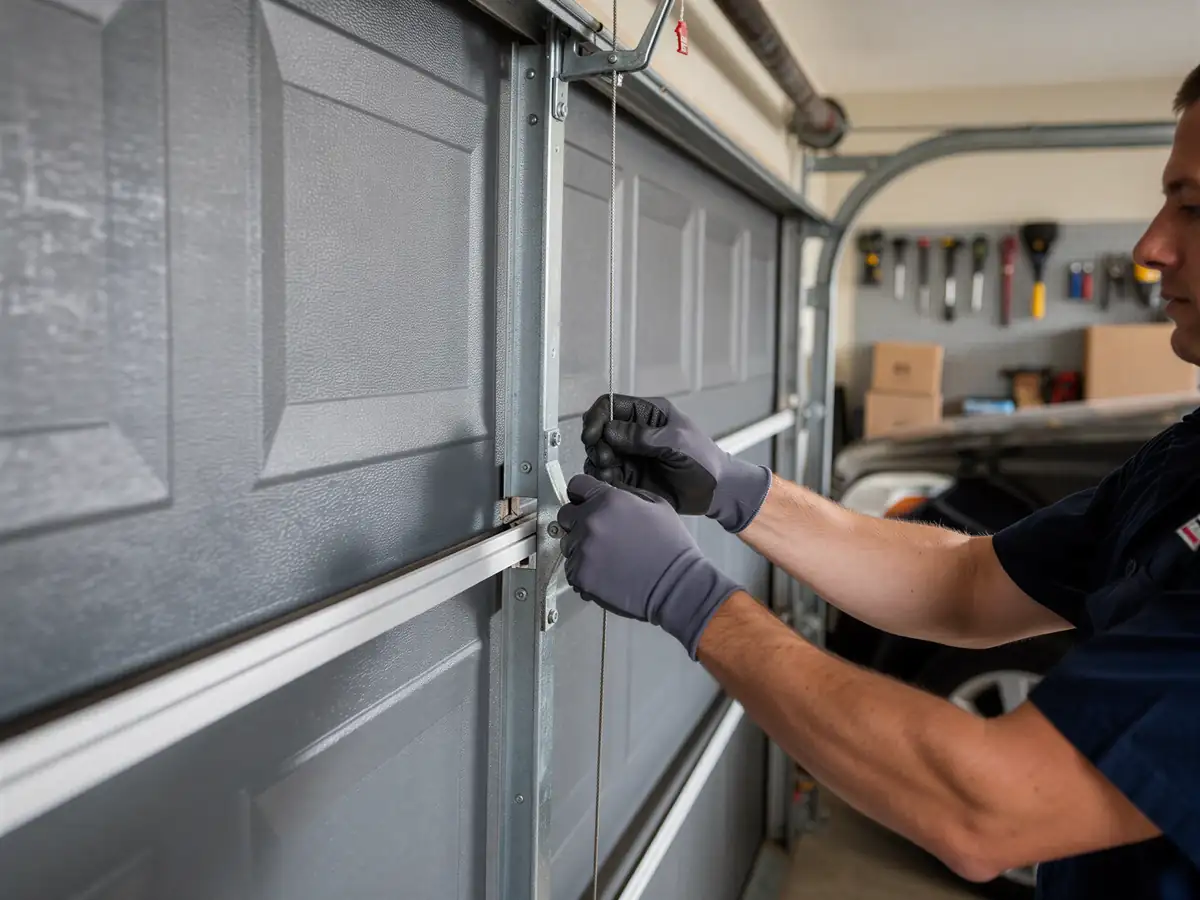
Most calls we get from Mountainaire fall into a few buckets tied directly to that mid-80s build date: torsion springs that have simply outlived their cycle count, openers from an early replacement round that are now themselves 15-20 years old and starting to strip gears or lose a logic board, and tracks that have slowly bent out of true from decades of a door riding slightly misaligned rollers. Cold-weather stiffening shows up too - in severe cold, old lubricant in a worn opener gearbox thickens up and the unit strains on cold mornings, which reads to homeowners as "it's dying" when sometimes it's just old grease fighting the temperature. We'll tell you straight when a repair's worth doing versus when the door's old enough that patching it is just delaying a full replacement.