Why It Happens Here
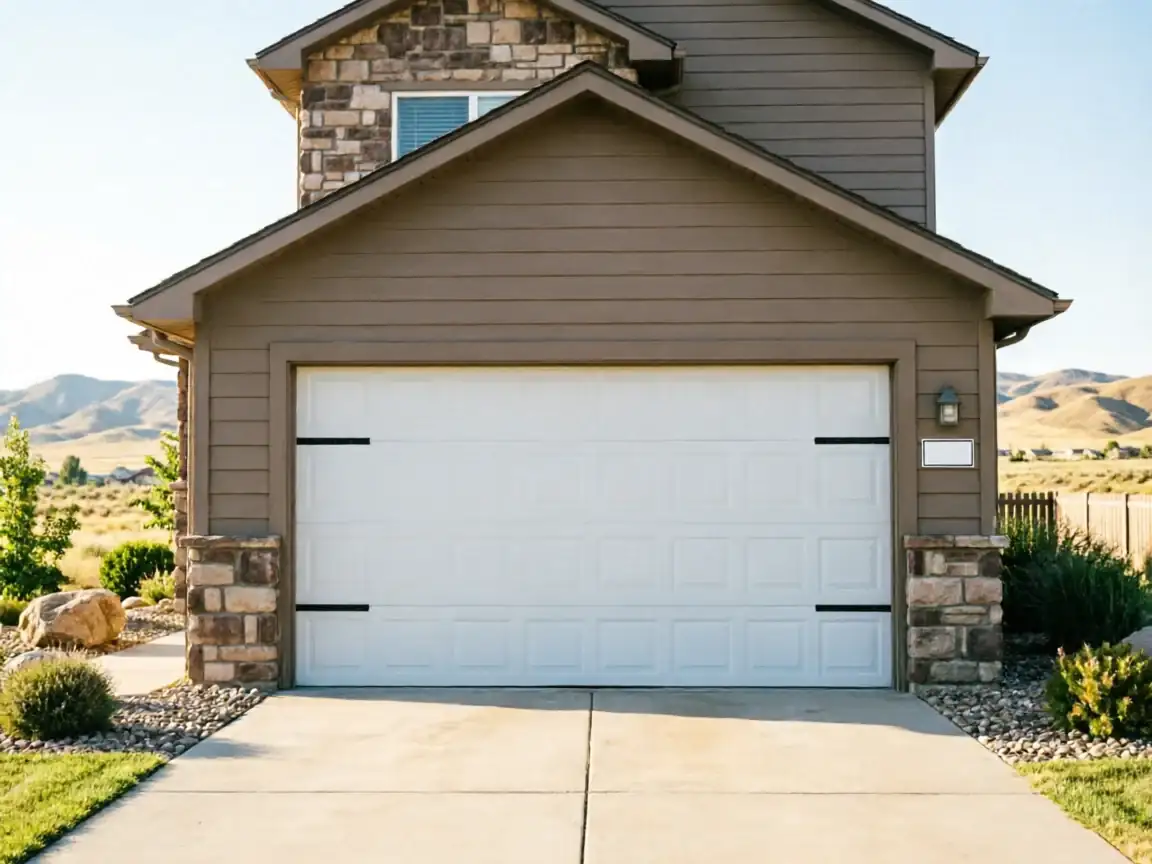
Most of the garage doors we service across the Flagstaff area sit on houses built between 1985 and 1991
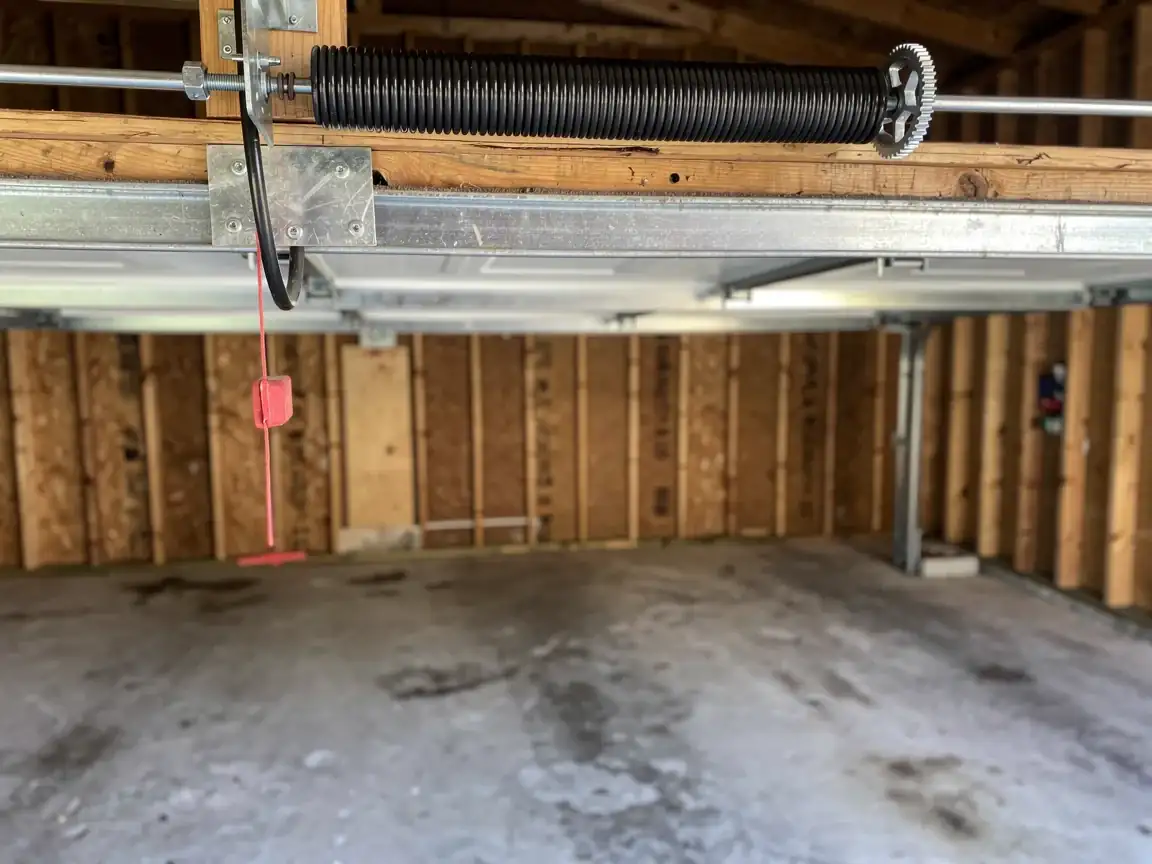
That's the median build year across the four main neighborhoods we work in. These doors and their openers are now 35 to 40 years old. The hardware that came standard in that era, torsion springs rated for a certain cycle count, steel rollers without sealed bearings, wasn't built with a 40-year service life in mind.
- 40 years
Then there's the climate
Flagstaff sits in a severe cold band, and that matters more for a garage door than people expect. Cold air makes steel springs lose tension faster and makes the grease in an opener's gear housing thicken, which is why a door that worked fine in October starts groaning or stalling halfway up once the hard freezes set in. Lubricant that was fine in a mild climate turns gummy here. Weatherstripping that's gone brittle from UV exposure during the summer then cracks outright in the first deep freeze.
This combination - original-era hardware plus a hard winter every single year
Is why maintenance isn't optional on a house of this age in this area. A door that gets ignored for a decade in a place with a mild climate might limp along. A door that gets ignored for a decade here usually doesn't.
The Cost of This Job
We're not going to put a number here that doesn't hold up once we're standing in front of your actual door. What drives the cost of a maintenance visit is what we find once we're under the hood: whether the springs are still within a safe tension range for the door's weight, whether the rollers are original steel or have already been swapped for nylon, whether the opener's gears are worn from years of fighting cold grease.
On a lot of the 1985-1991 doors we see, the springs and rollers are original. That's not a problem by itself - these are sturdy doors - but it does mean more parts to inspect than on a newer install, and sometimes a part that's past the point where lubrication helps and needs replacing outright.
The honest limitation: we don't quote maintenance work sight unseen over the phone. A door built in that era can have been adjusted, re-sprung, or half-converted by a previous owner over the decades, and guessing at a price before we've seen the actual hardware does nobody any favors. What we can tell you is that a maintenance visit costs a lot less than an emergency spring failure on a Saturday night in January, and it's the reason most of our winter emergency calls are on doors nobody has touched in years.
What the Repair Takes
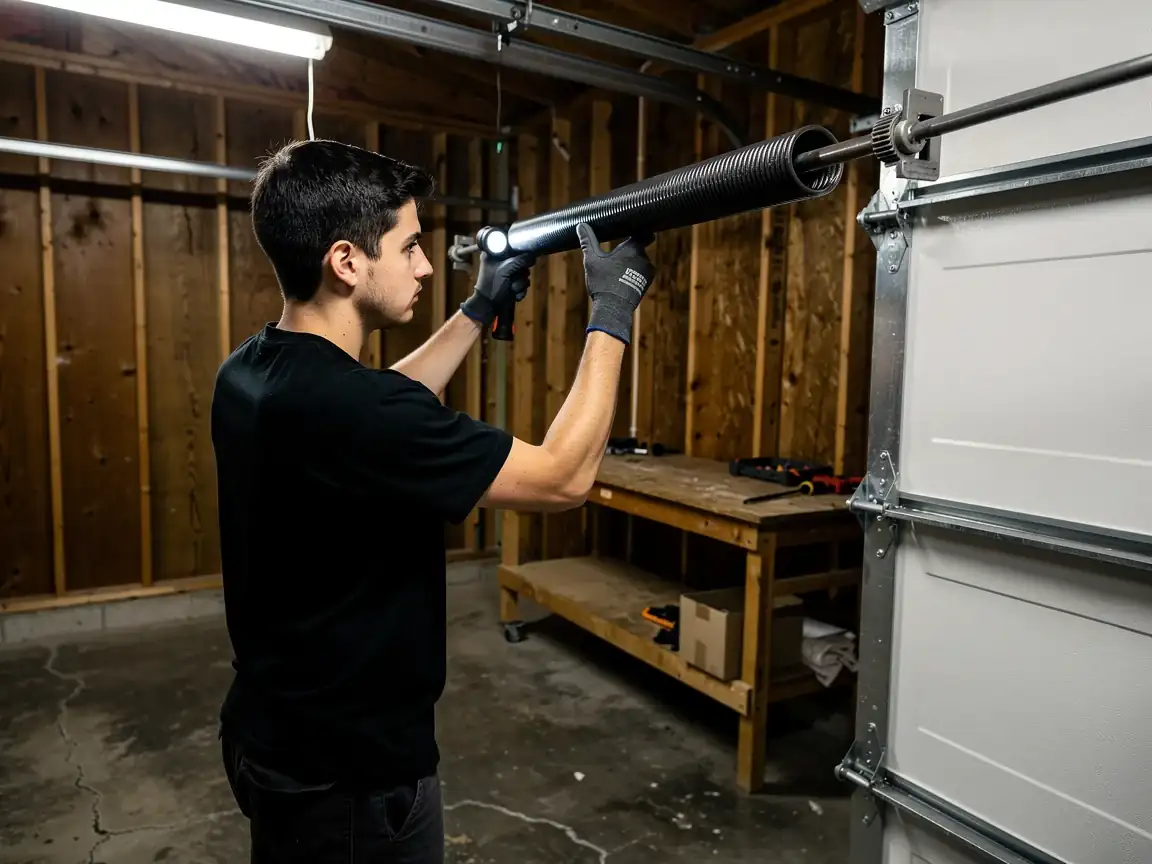
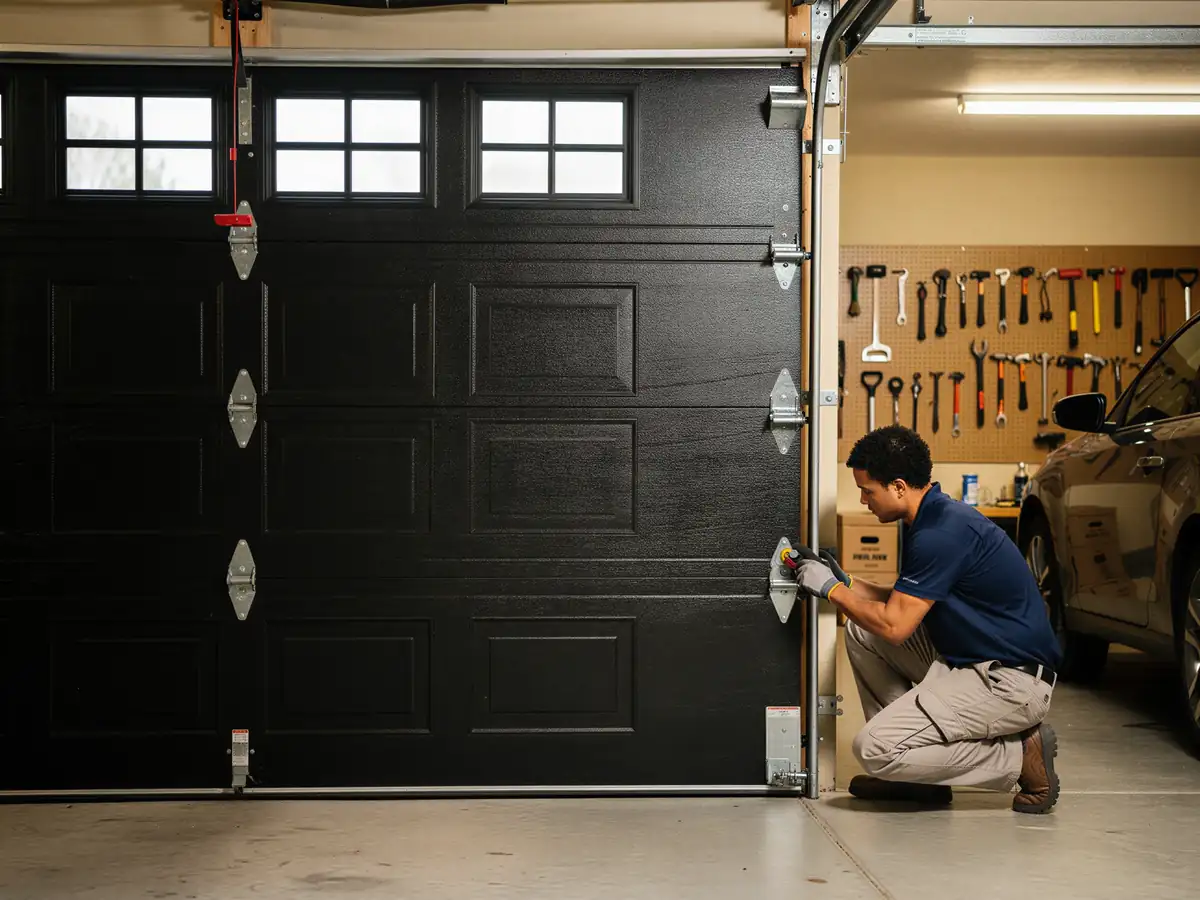
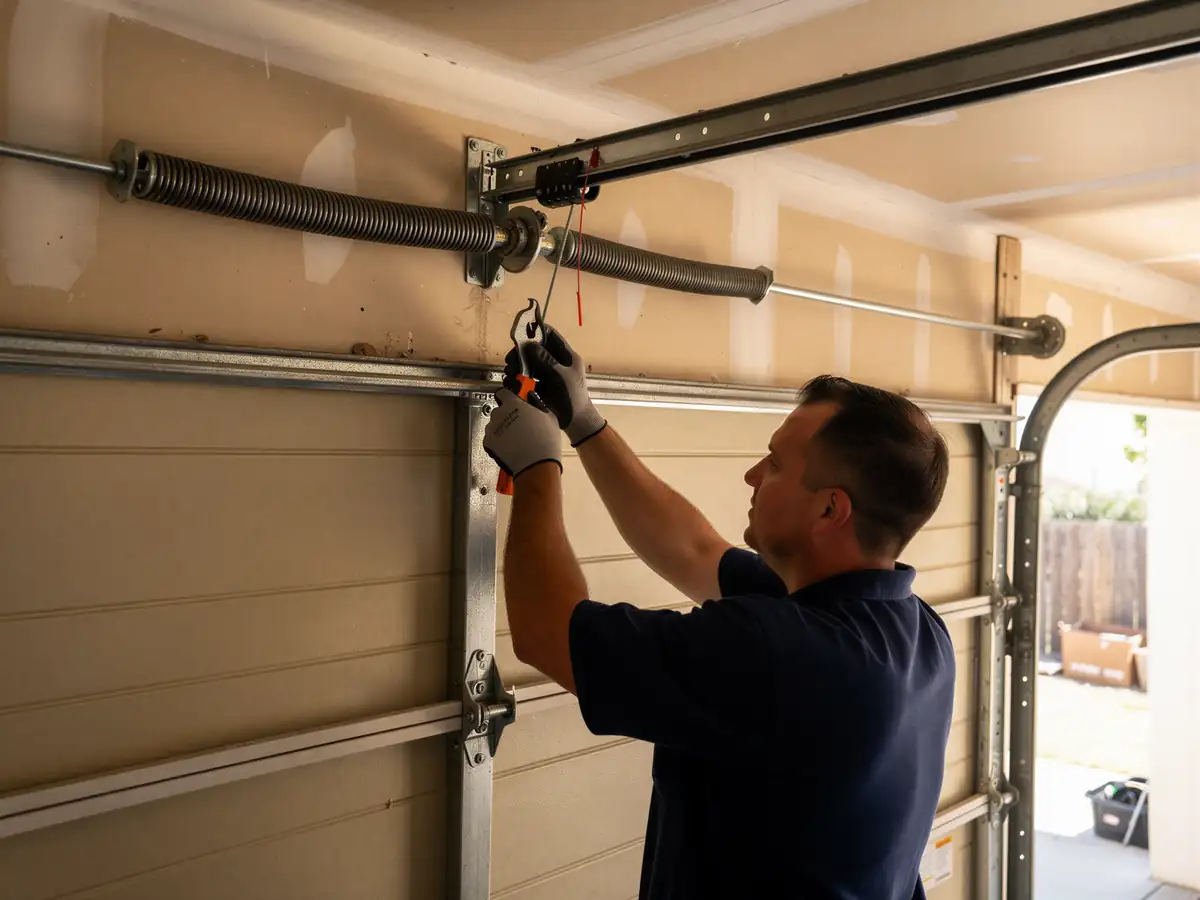
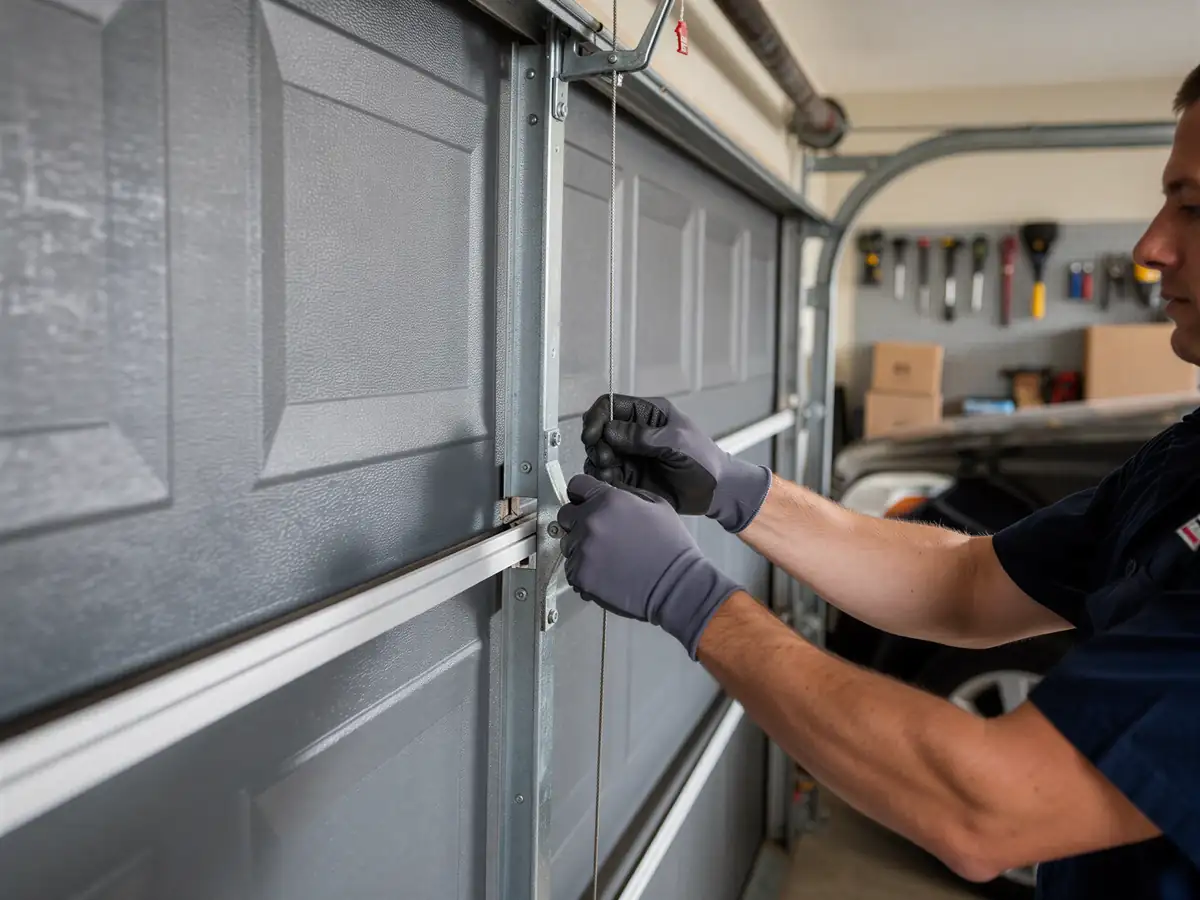
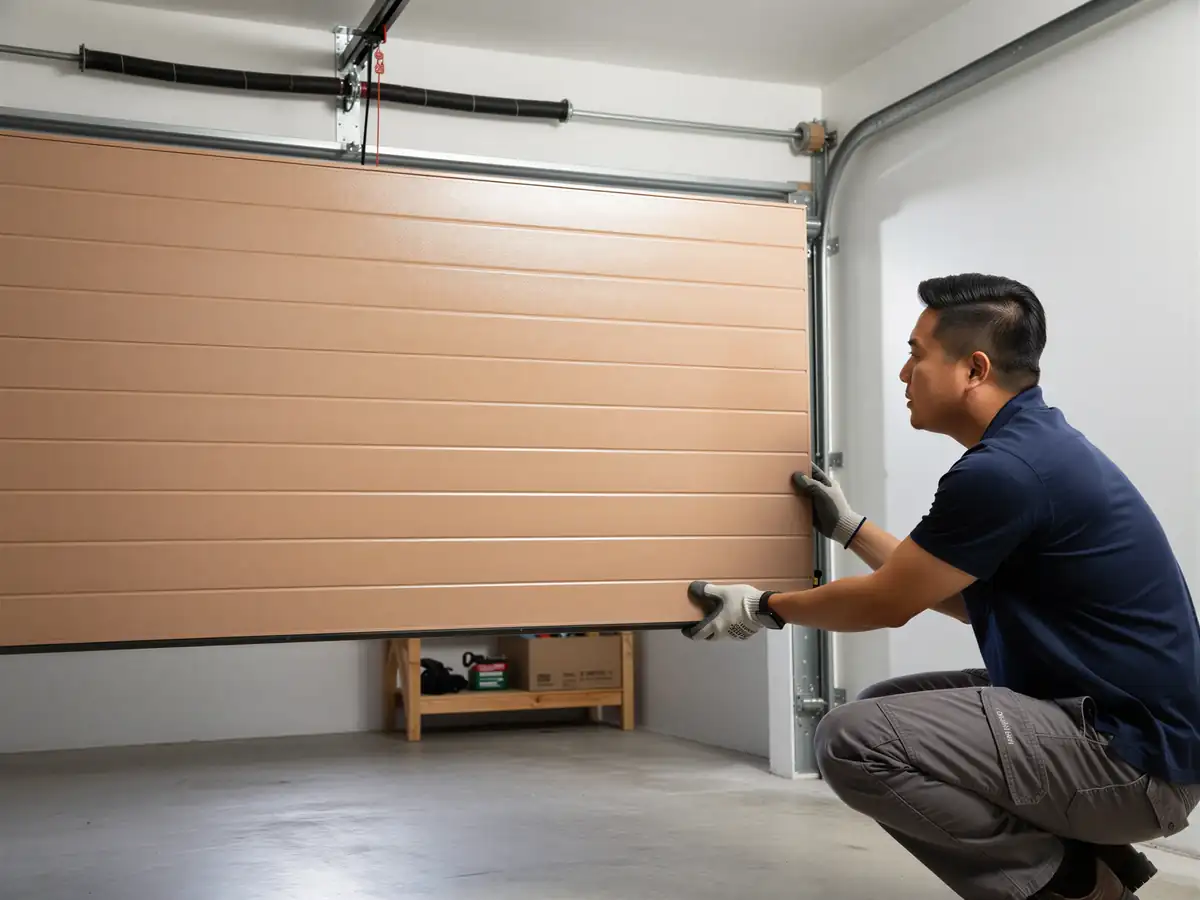
A maintenance visit on one of these doors starts with the springs - checking tension against the door's actual weight, not just what the data plate says, since 35-year-old springs don't always match their original rating anymore. From there we go through the track, checking alignment and the mounting brackets for the kind of slow drift that happens over decades in a structure that's been through dozens of freeze-thaw cycles.
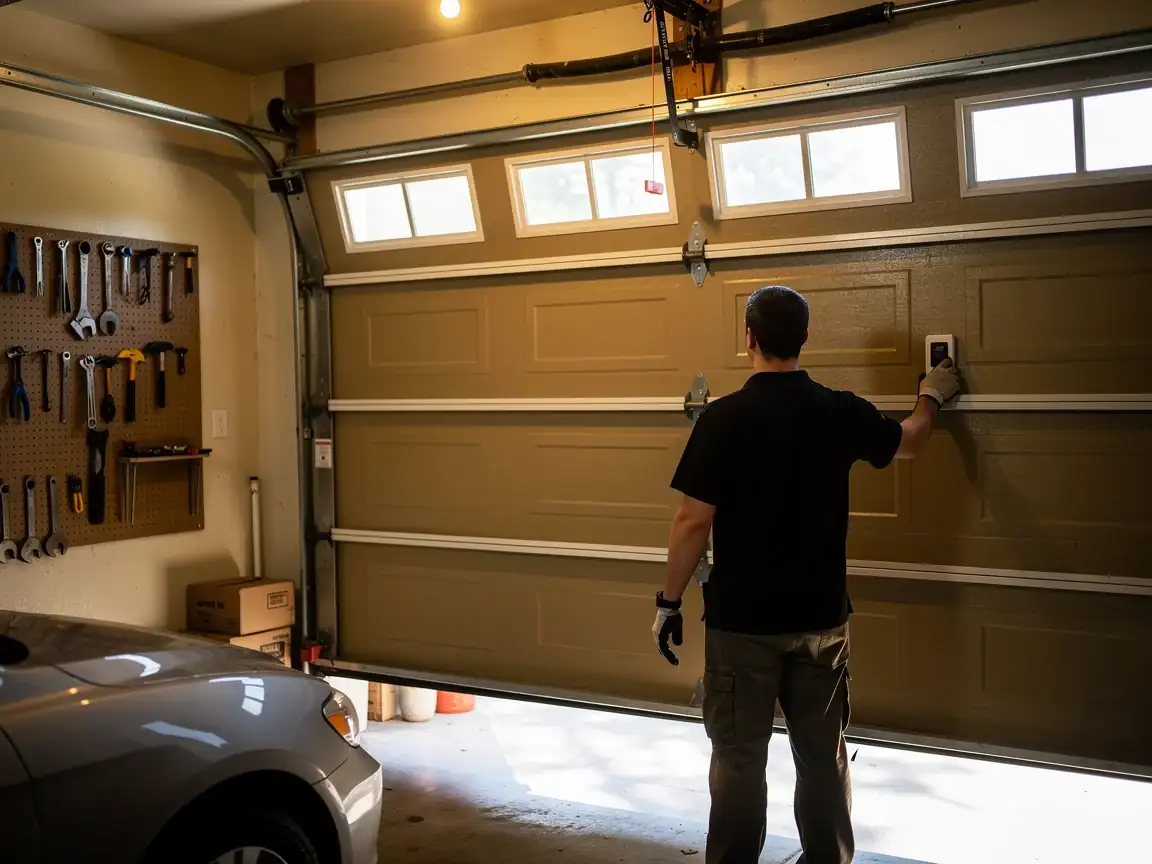
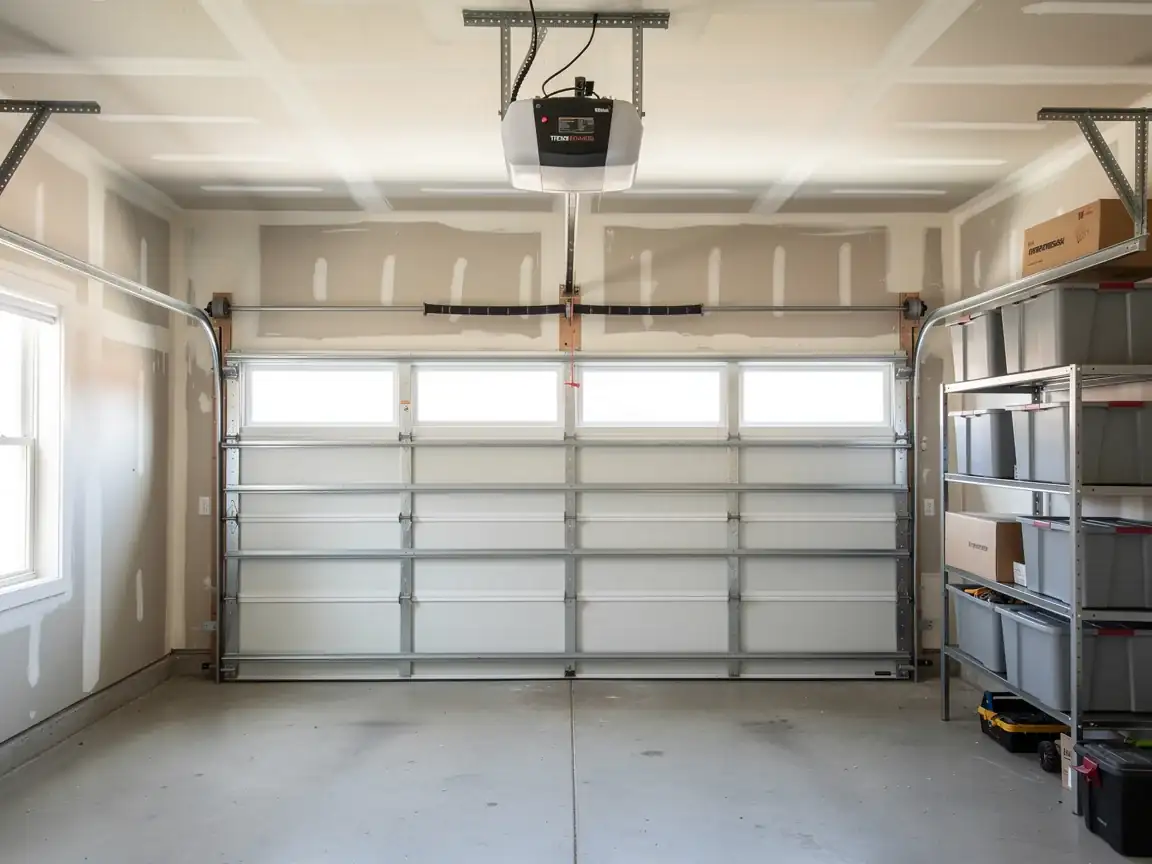
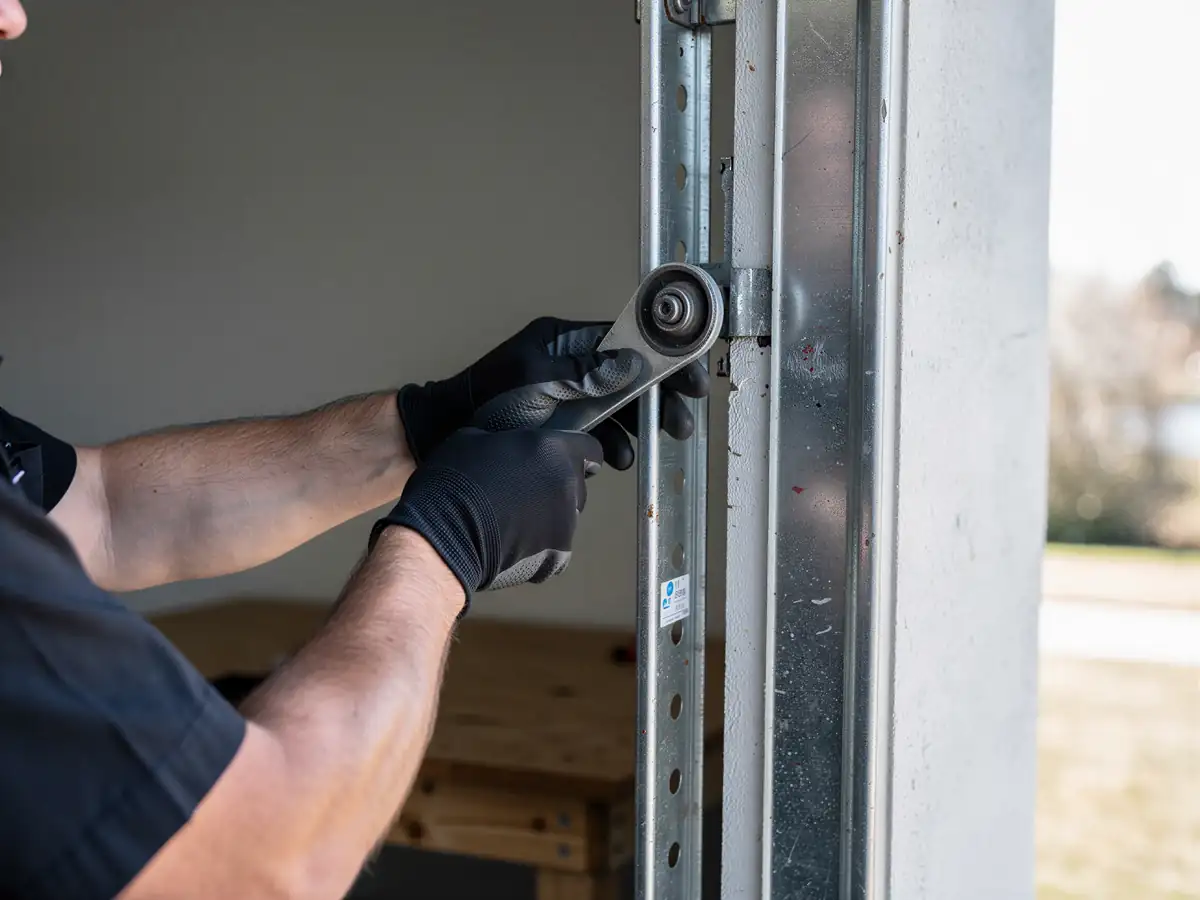
We lubricate the rollers, hinges, and torsion bar with a grease rated for the cold rather than whatever's on the shelf at a hardware store, because the standard stuff thickens up here and stops doing its job by December. We check the opener's gear housing for the same reason - cold-thickened grease is one of the more common causes of an opener that strains or stalls.
Weatherstripping gets a real inspection, not a glance. On a door this age, the bottom seal and the side seals have usually been through enough UV exposure and freeze cycles that they're cracking even if they don't look obviously broken from a few feet away. If a seal's gone, we replace it, because a broken seal lets cold air straight into the garage and, on an attached garage, into the house.
We don't stretch this into a sales pitch for parts you don't need. If the hardware's sound, we tell you that and move on.
What You Are Seeing
The symptoms that bring people to us this time of year are pretty consistent
A door that opens fine in the afternoon but groans or hesitates on a cold morning - that's usually tension loss or thickened grease, not a dying opener. A door that's noticeably louder in winter than summer, with a grinding or squealing sound from the rollers, points to lubrication that's broken down in the cold.
Cracked or flattened weatherstripping along the bottom edge or sides is easy to spot if you look
And on a house from the 1980s or 90s it's often original or close to it. You might also notice a draft along the garage floor that wasn't there before, or a line of daylight under the door when it's closed.
An opener that runs longer than it used to before the door starts moving
Or that reverses partway up for no clear reason, is often a gear or sensor issue made worse by cold. None of these on their own mean you need a new door. Most of the time, on a house in this age range, it means the original hardware needs the kind of attention it hasn't gotten in a while - which is exactly what a maintenance visit is for.