What We Are Called Out For
Most of the calls we get come down to two things
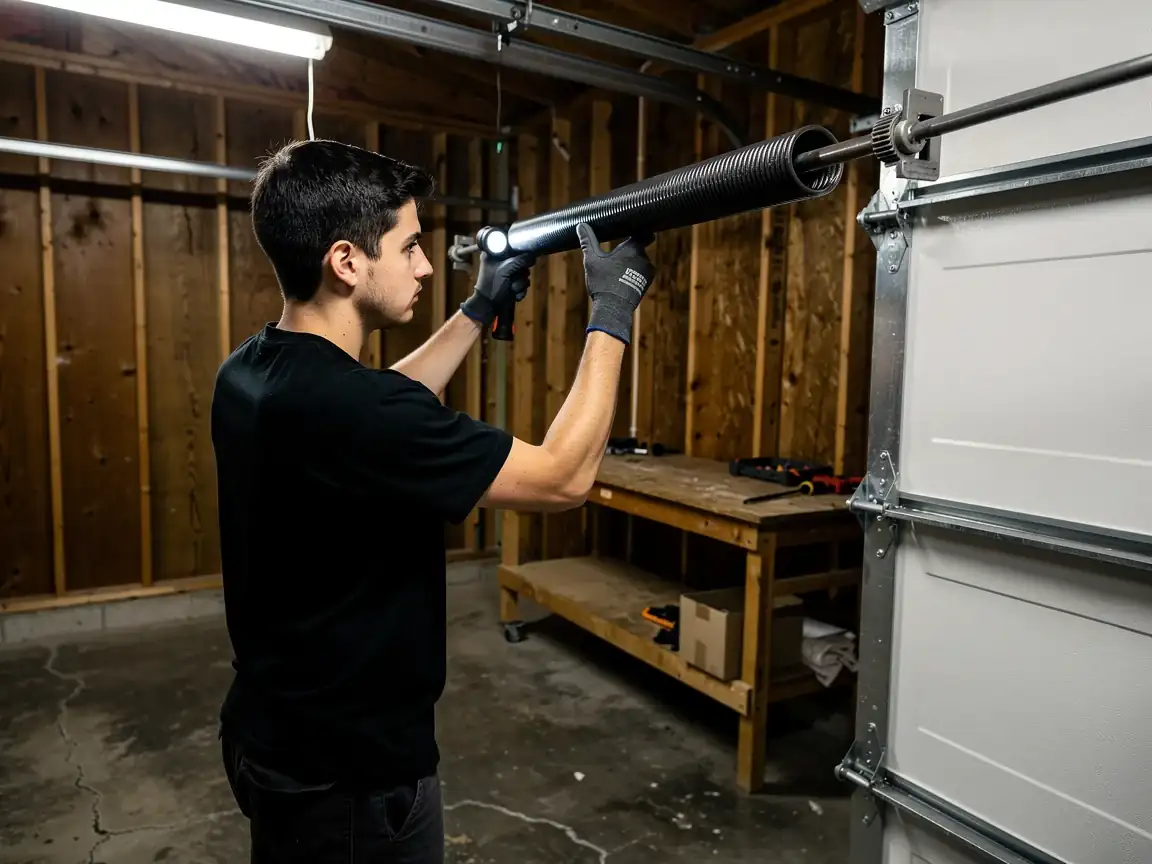
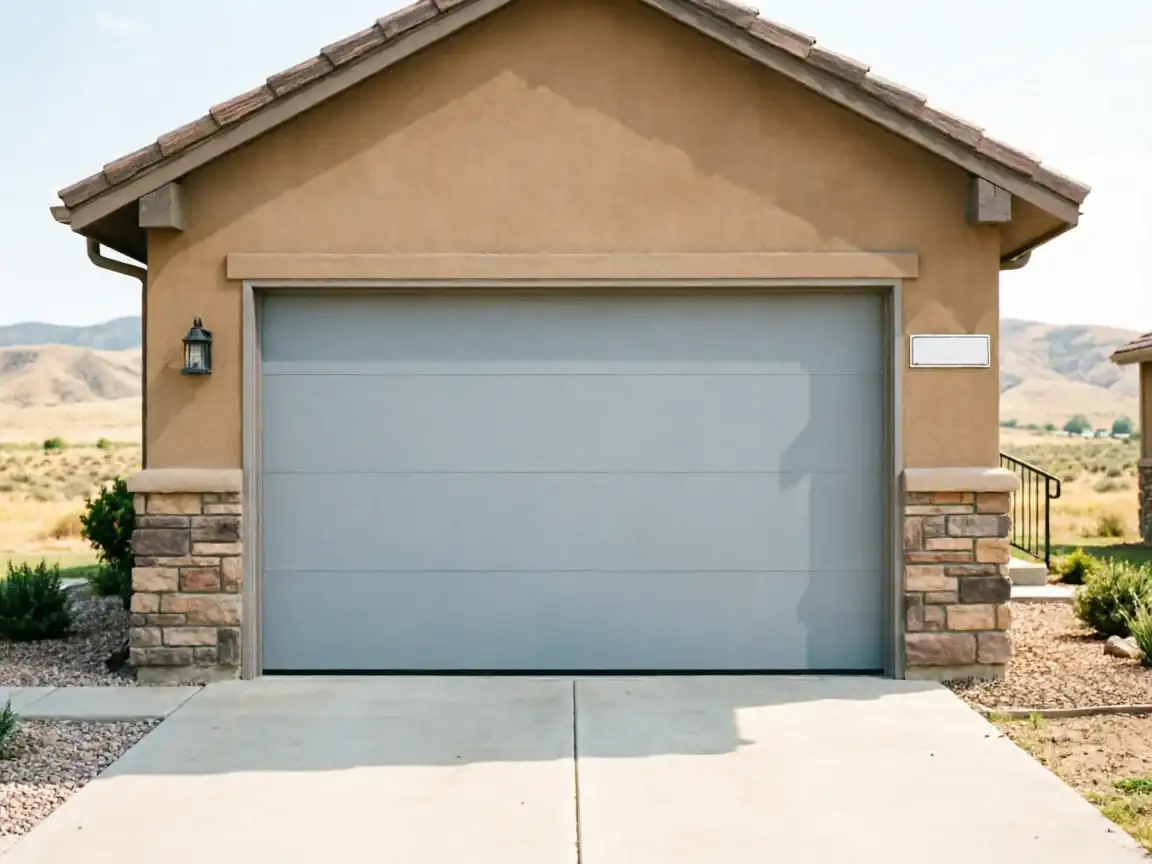
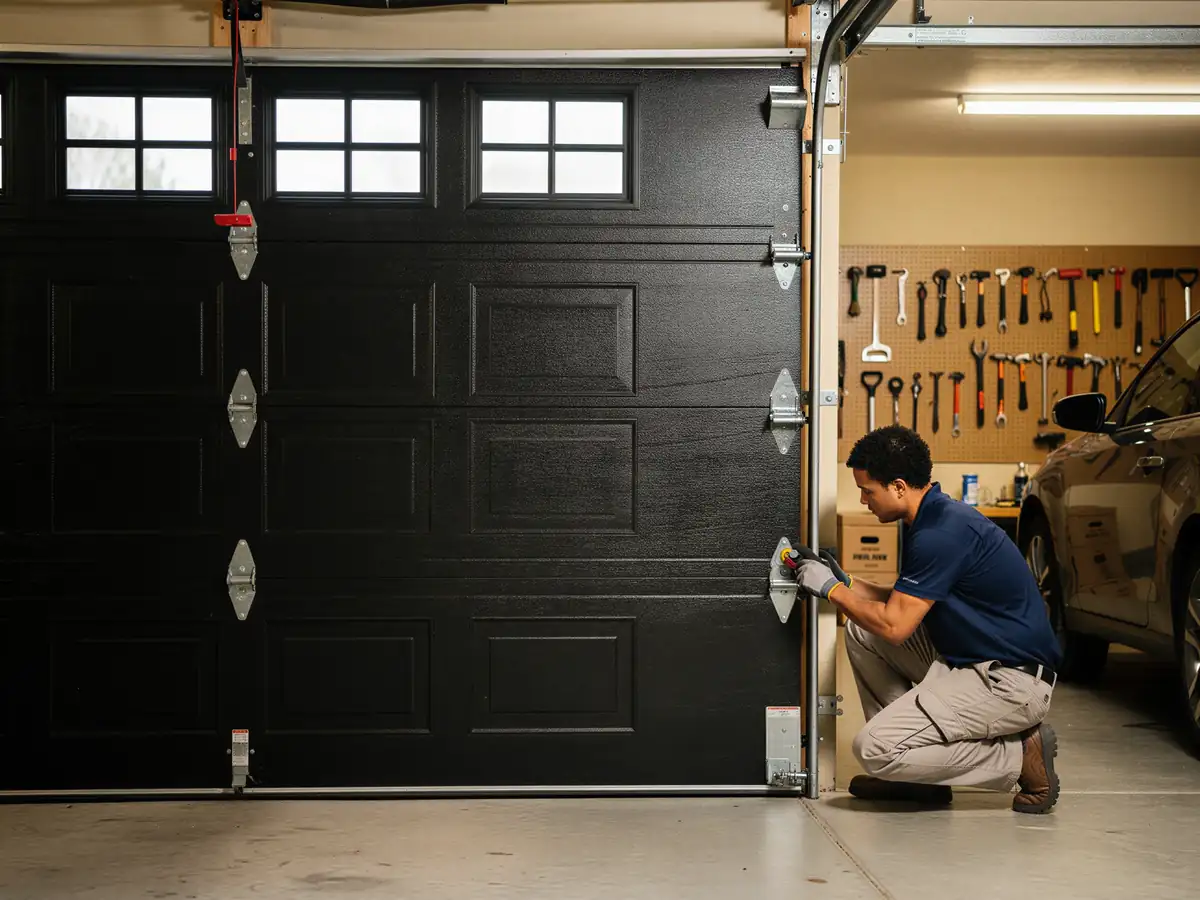
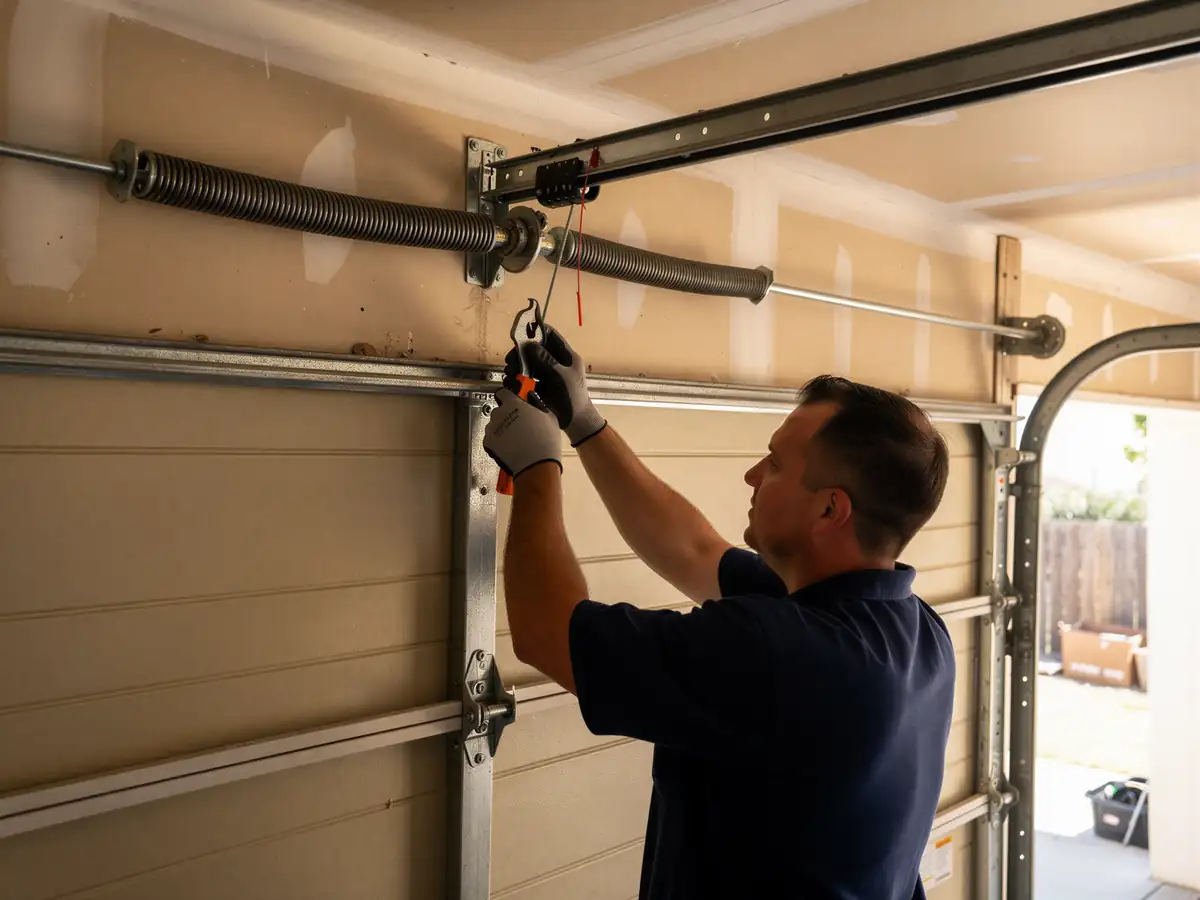
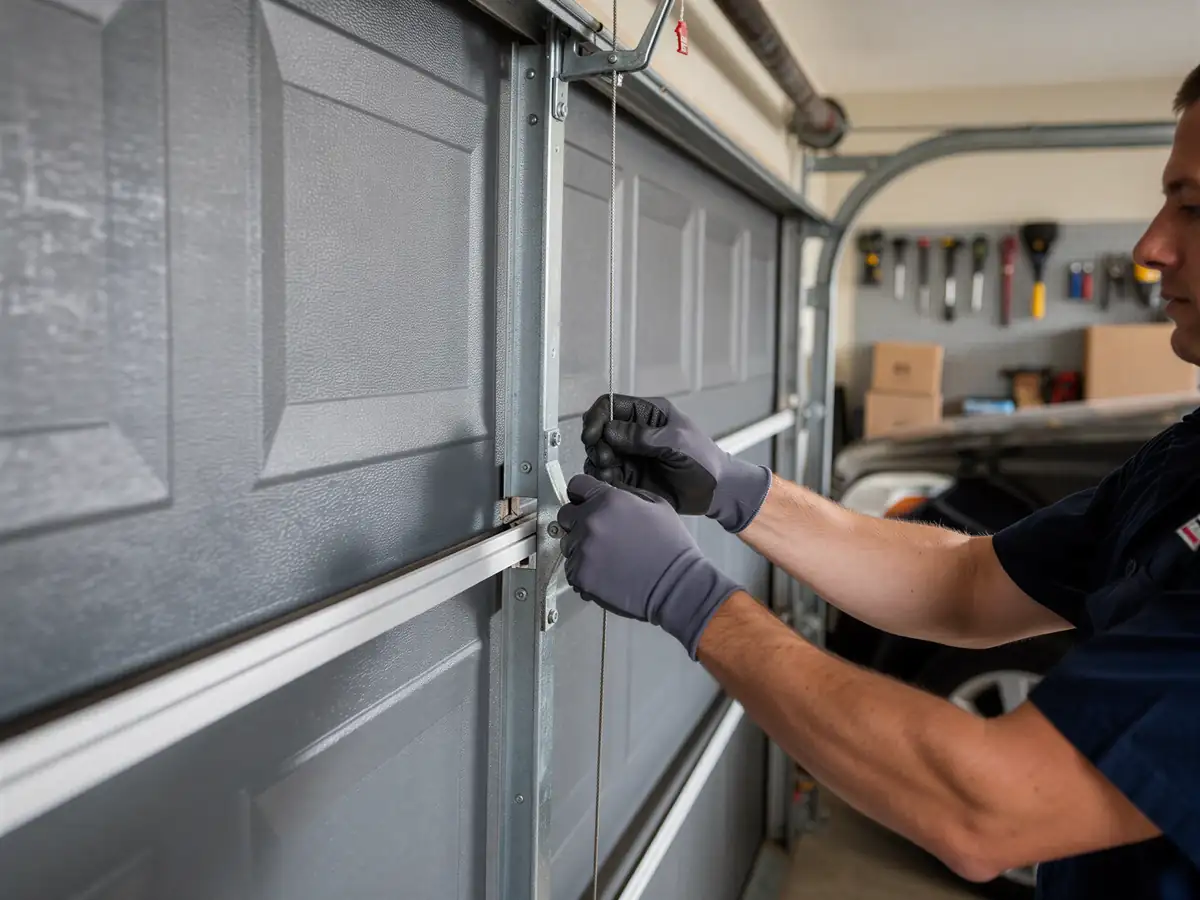
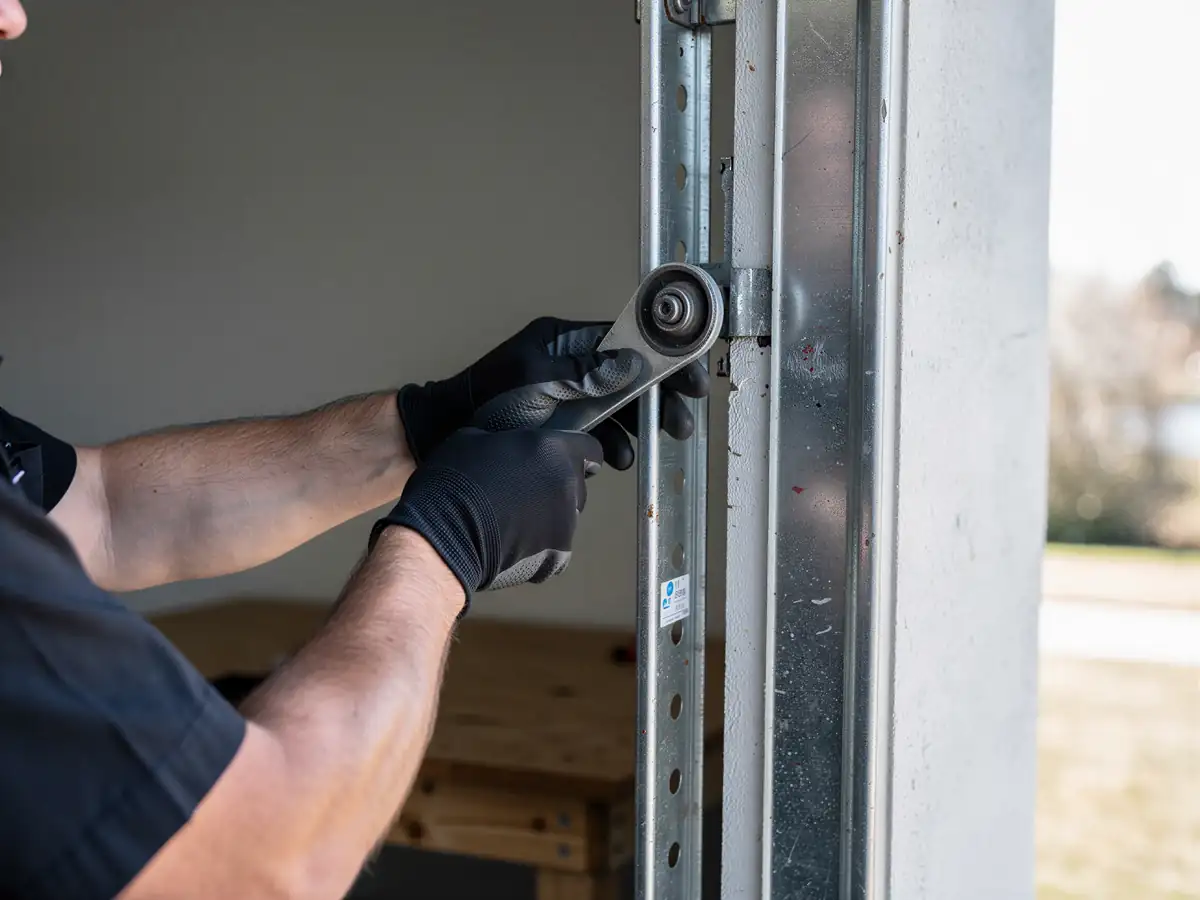
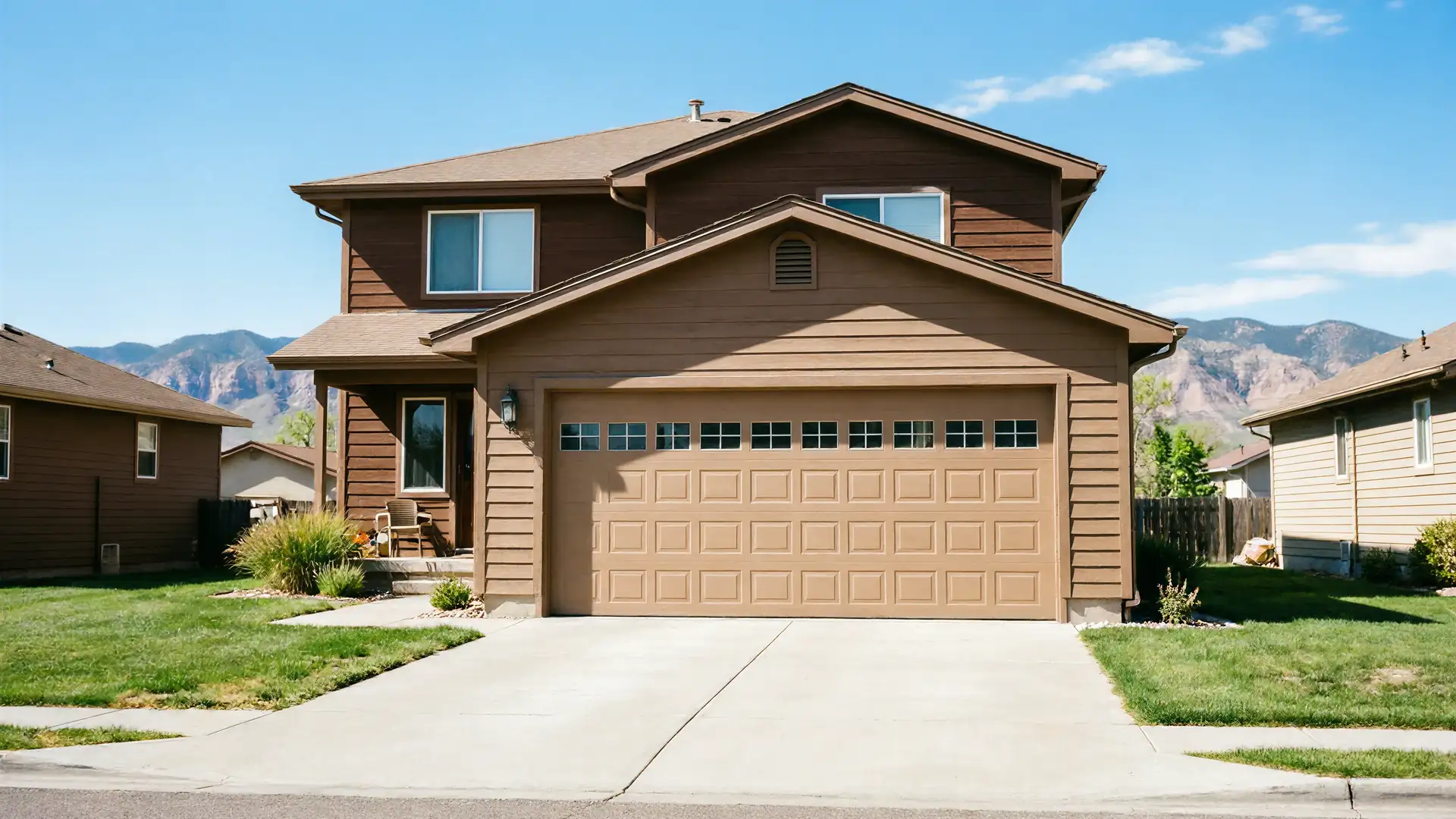
A spring that's given out, or a door that's stopped tracking straight. A lot of the houses we work on were built between 1985 and 1991, which means original steel sectional doors, original torsion springs, and openers that are long past the point of being worth patching. When a spring on one of these doors breaks, it usually takes a bottom roller or a cable with it, because the hardware has been carrying that load for decades without being swapped out.
We also see a fair amount of cold-weather damage
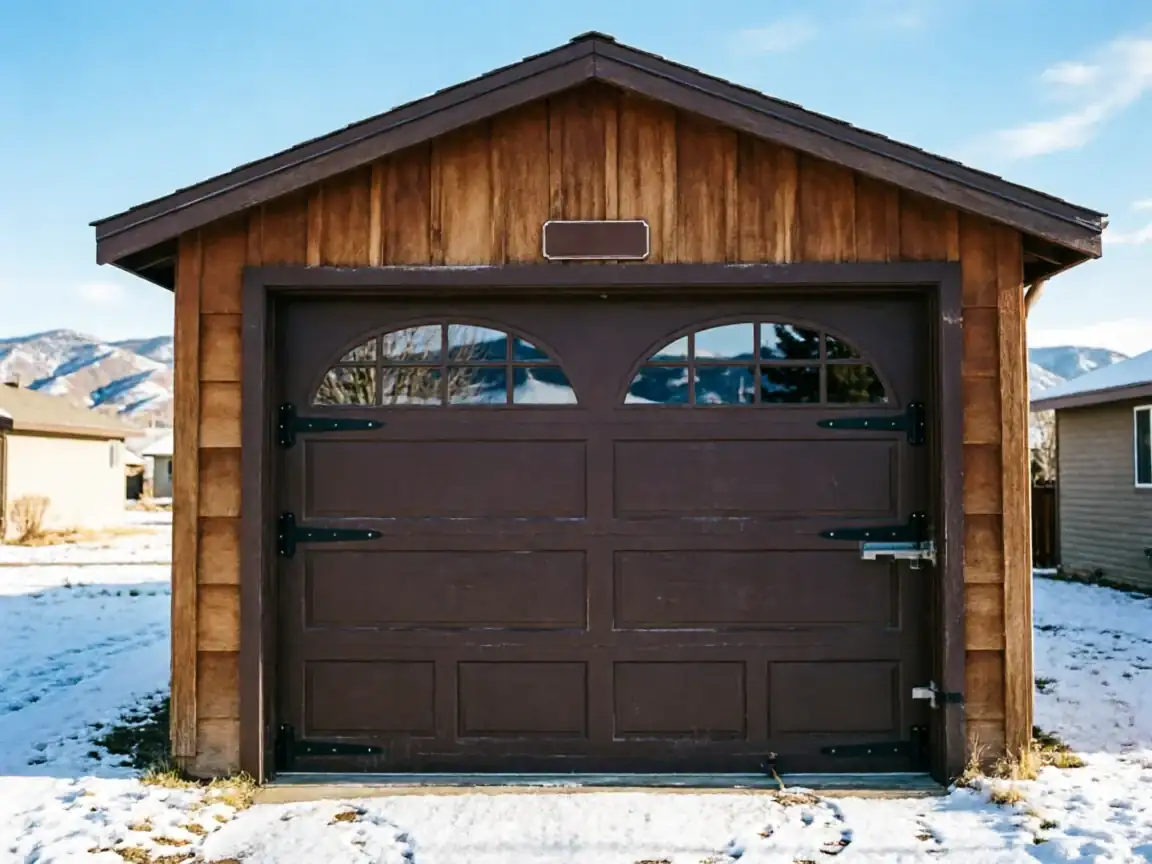
Flagstaff sits in a severe cold climate band, and that means grease that stiffens up in the opener gearbox, seals that crack and let drafts in, and tracks that bind when the temperature swings hard between day and night. None of that is dramatic, but it's the kind of wear that shows up on a door built for a different era of weather expectations.
We don't do much work on doors less than ten years old
Simply because there isn't much to fix on them yet. If your door is newer and something's wrong, it's usually one part, not the whole system, and we'll tell you that straight.
Who Does the Work
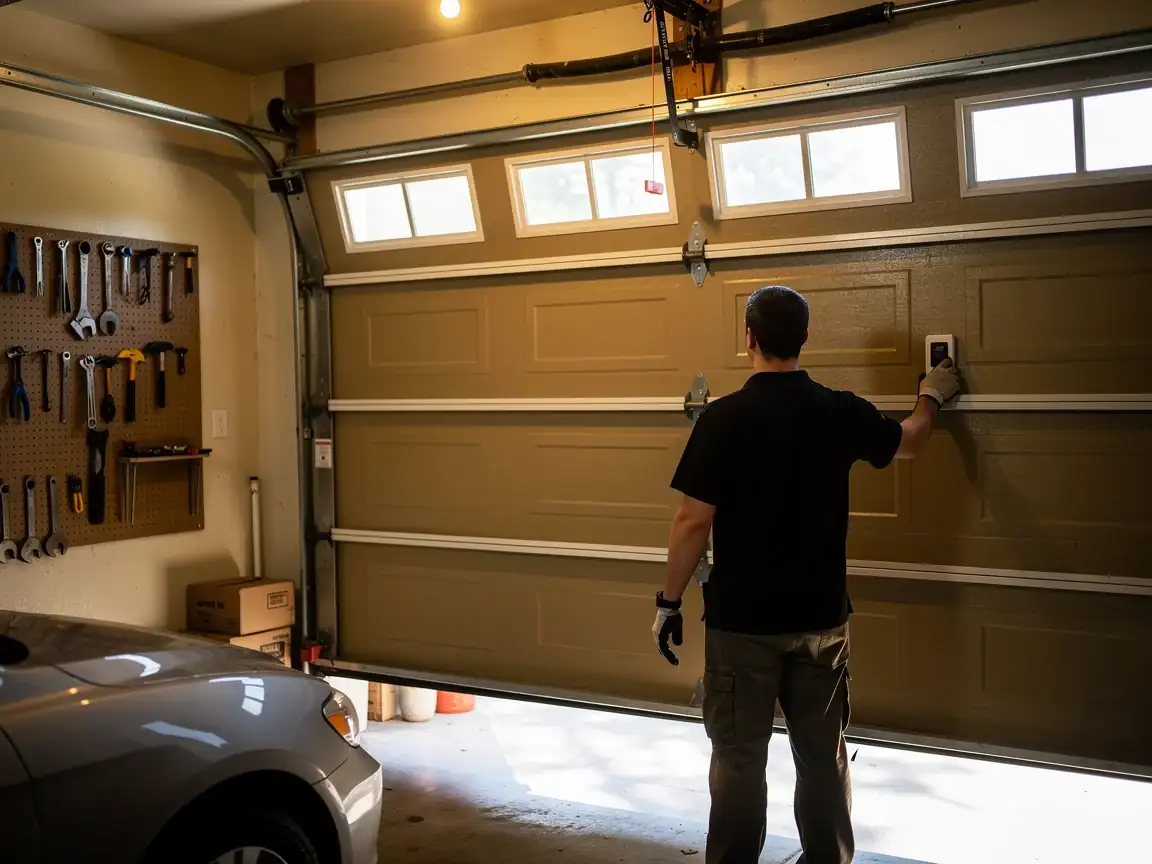
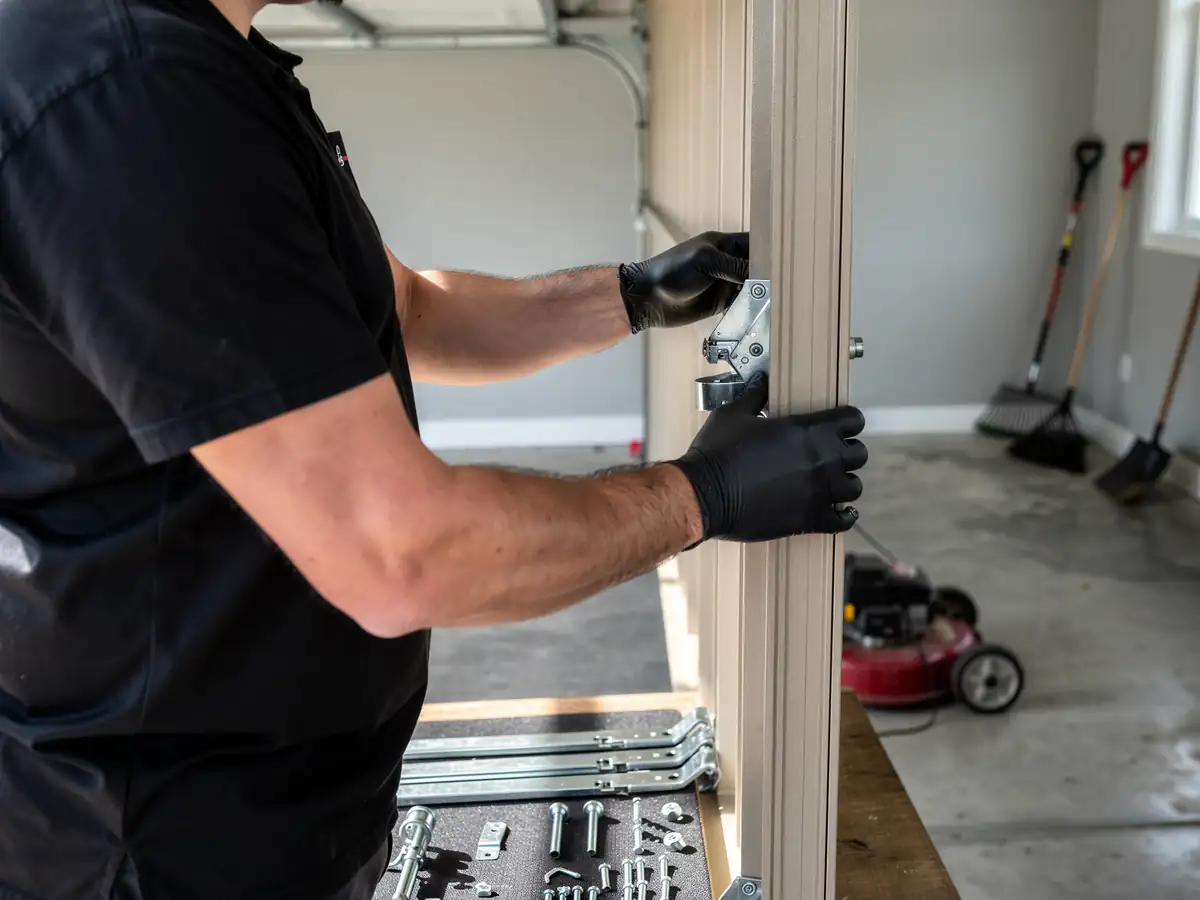
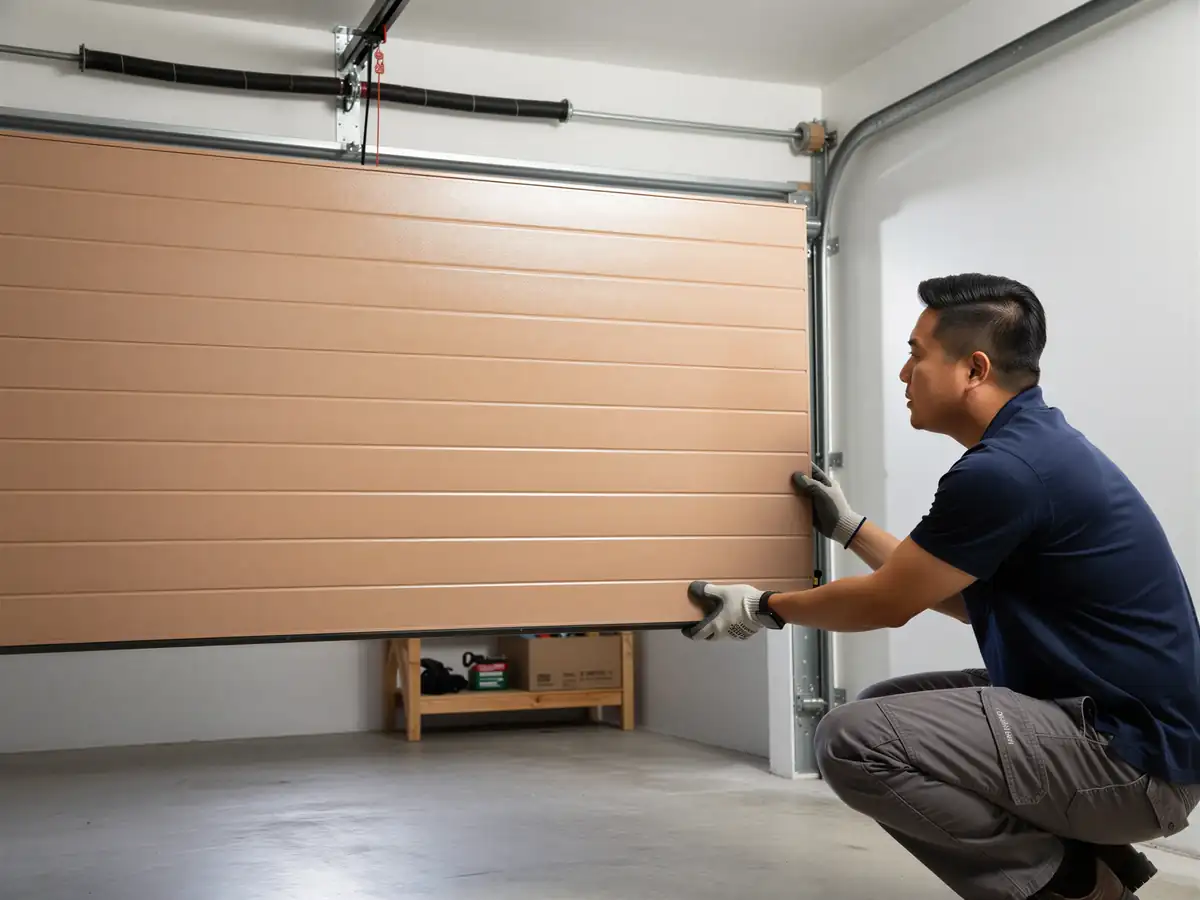
The crew that shows up at your house is the same crew that answers the phone and quotes the job. We work on garage doors and the hardware that runs them: springs, cables, rollers, tracks, openers, and panels. We don't do general handyman work, and we don't install or repair anything inside the garage that isn't attached to the door itself.
A good share of our work is replacing torsion springs sized for the original 1980s and 90s door weight, which is heavier steel than what goes into newer doors. Getting that spring size wrong is how people get hurt, so we measure rather than guess off the old spring's size stamp, since years of wear can throw that number off.
We also do straight-up replacements when a repair isn't worth it anymore. If the door's bent, rusted through at the bottom panel, or the opener and the springs are both failing at once, we'll say so instead of nursing it along. An honest estimate sometimes means telling you to spend the money once instead of three times.
Where We Travel
We're based at 111 E Aspen Ave in Flagstaff, and most of our work stays close to home. We regularly run jobs out to Mountainaire, about 6 miles out, and Kachina Village, about 8 miles. Fort Valley, roughly 12 miles from the shop, and Munds Park, about 17 miles, are both places we go for scheduled repairs and replacements, though same-day availability out that far depends on what else is on the truck that day.
Across the area we serve, there are close to 3,000 households and over 4,500 owner-occupied houses, a lot of them built in that same late-80s window. That matters for us because it means a lot of the doors out in Mountainaire or Fort Valley are the same vintage as the ones closer in, so we're usually carrying parts that fit what we expect to find before we even get there.
If you're outside these four areas, call and ask. We'd rather tell you no up front than show up and charge a trip fee you weren't expecting.
What Comes Next
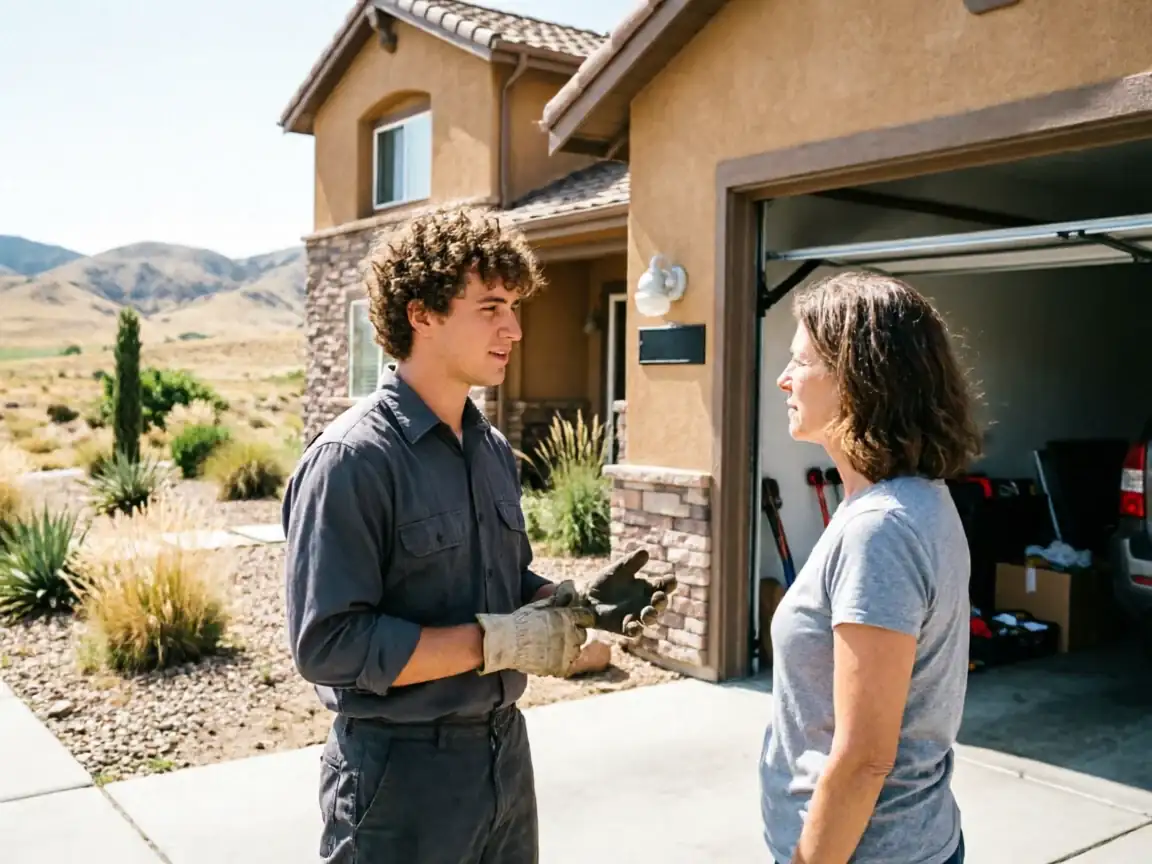
Call (928) 403-7187 and tell us what the door is doing, or not doing
If you can, have the door's age or a rough sense of when the house was built handy. For a lot of homes in this area, that means hardware original to the 1985-1991 construction window, and that one detail alone usually tells us what's likely to have failed.
We'll give you a time window, not a vague promise, and we'll tell you on the phone if it sounds like a job we can do in one visit or one that needs a second trip for a part
Given the household income levels here, we try to be straight about repair cost versus replacement cost before we're standing in your driveway, not after.
If the door's unsafe to use, don't force it
A spring under tension or a cable that's frayed can do real damage. Leave it alone and call.