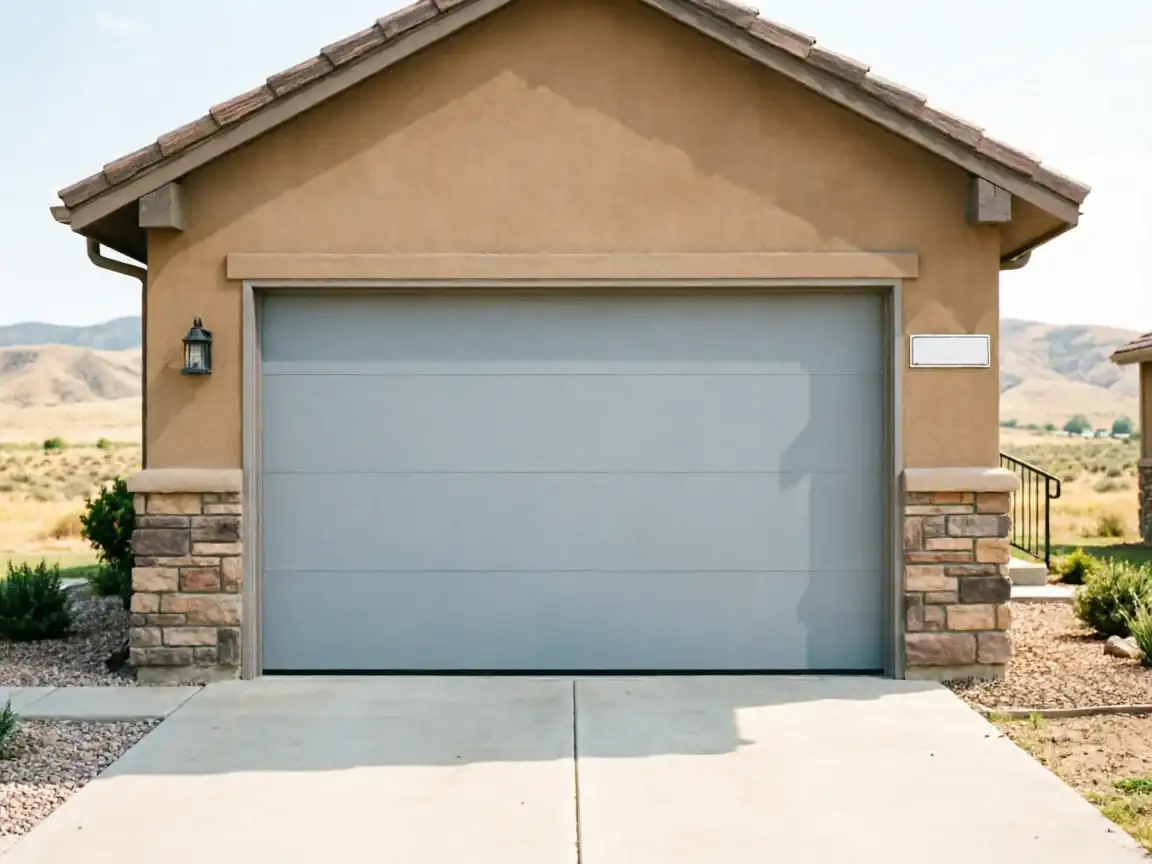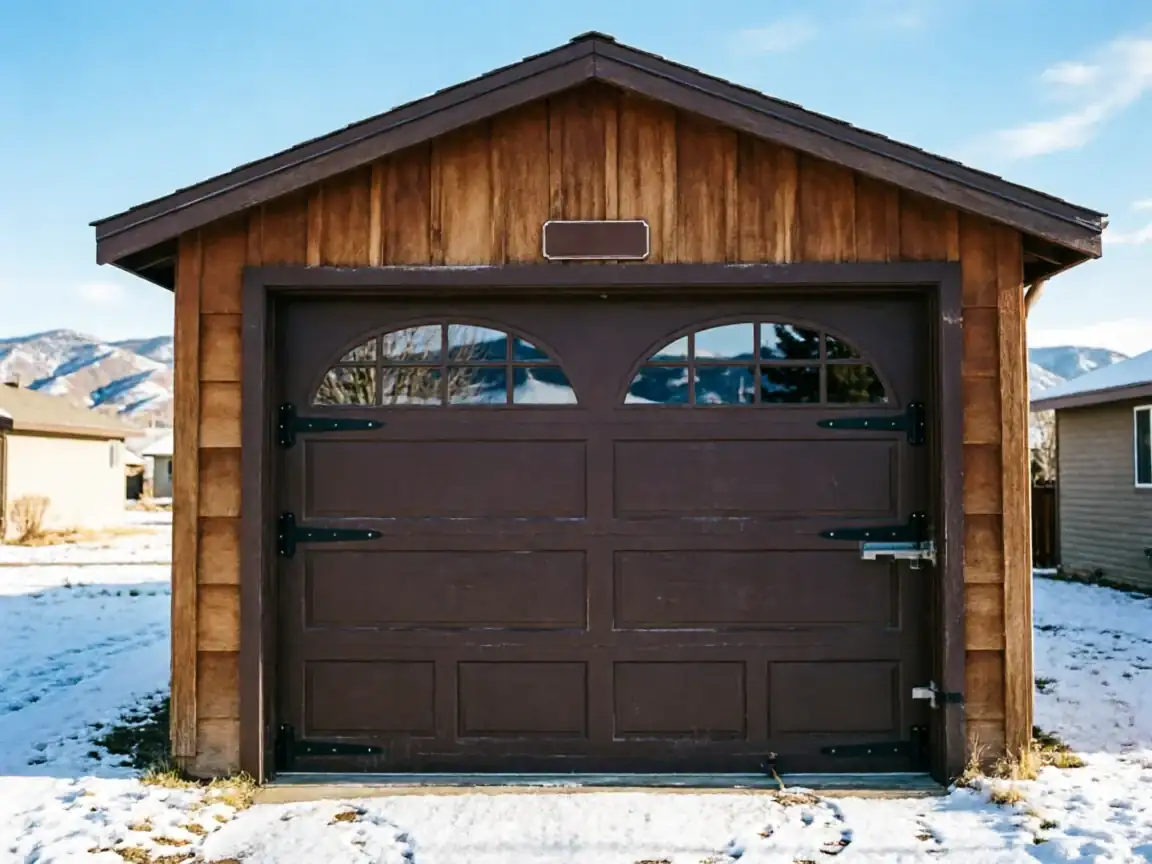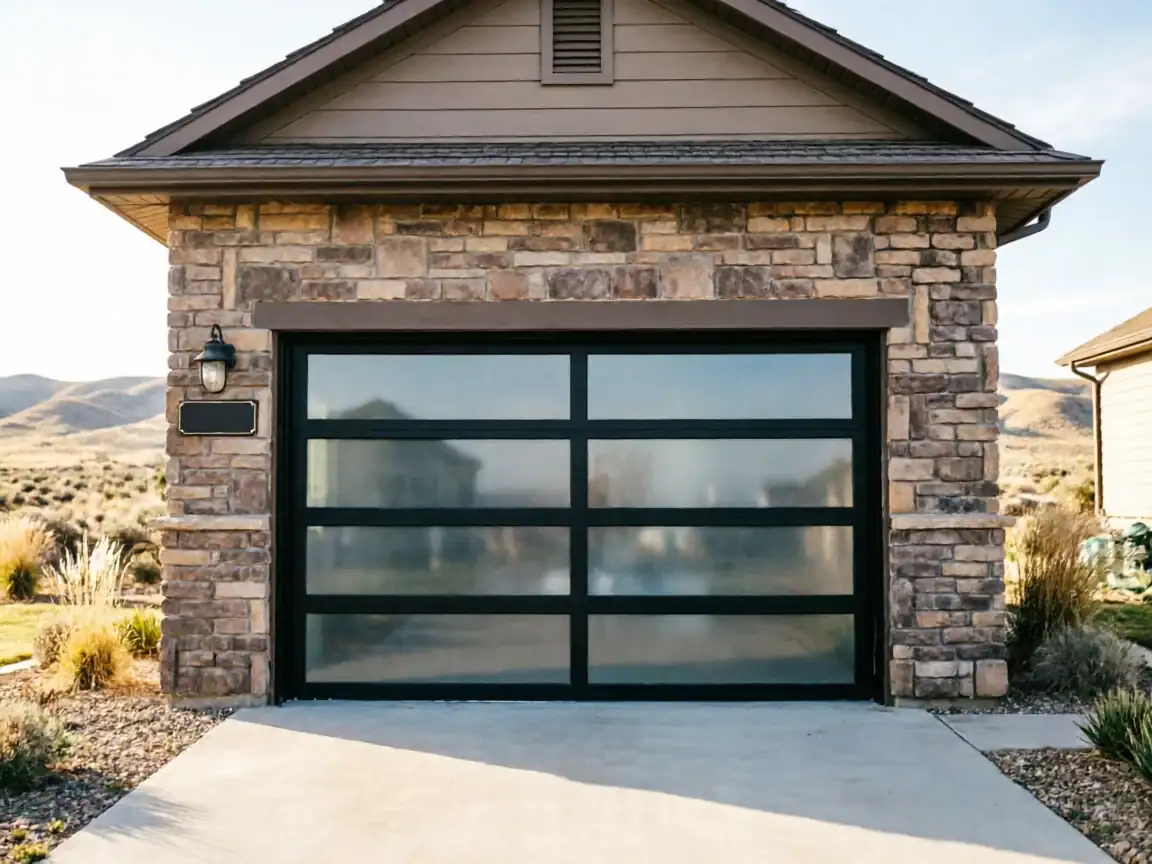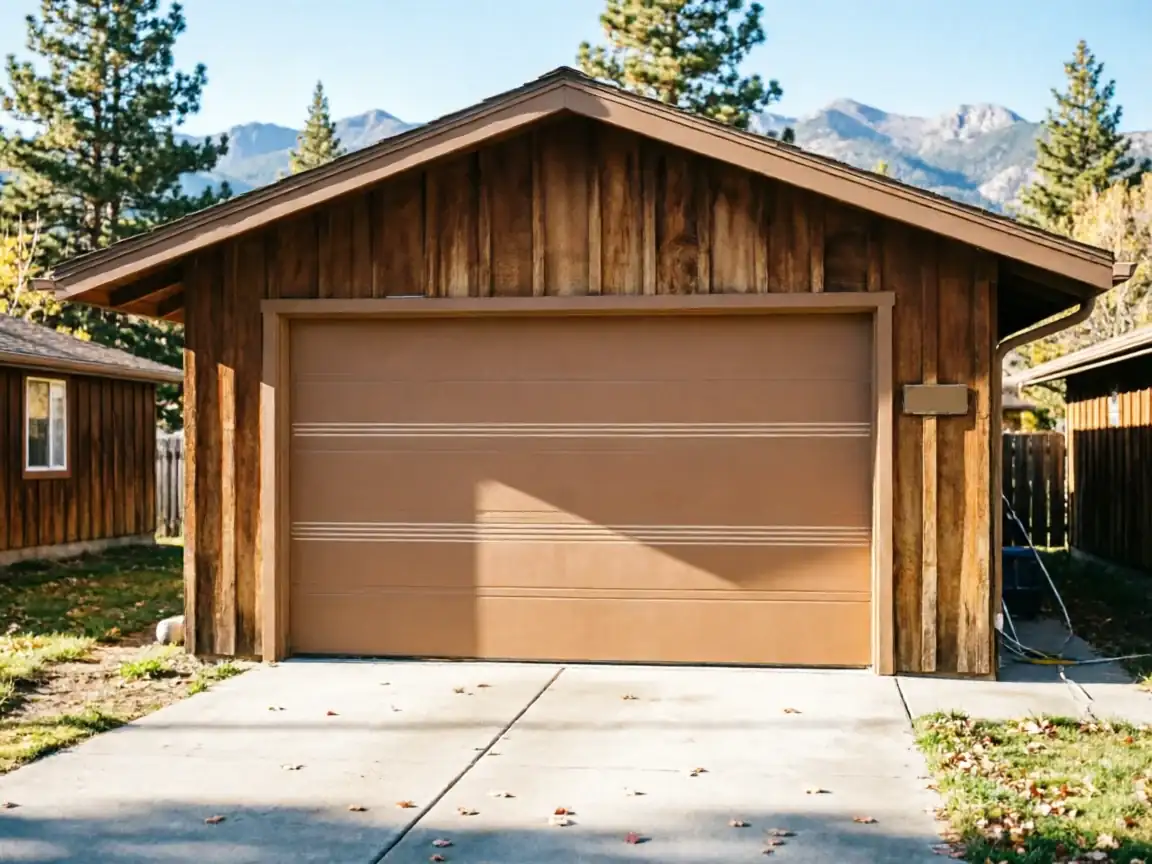
Why It Happens Here
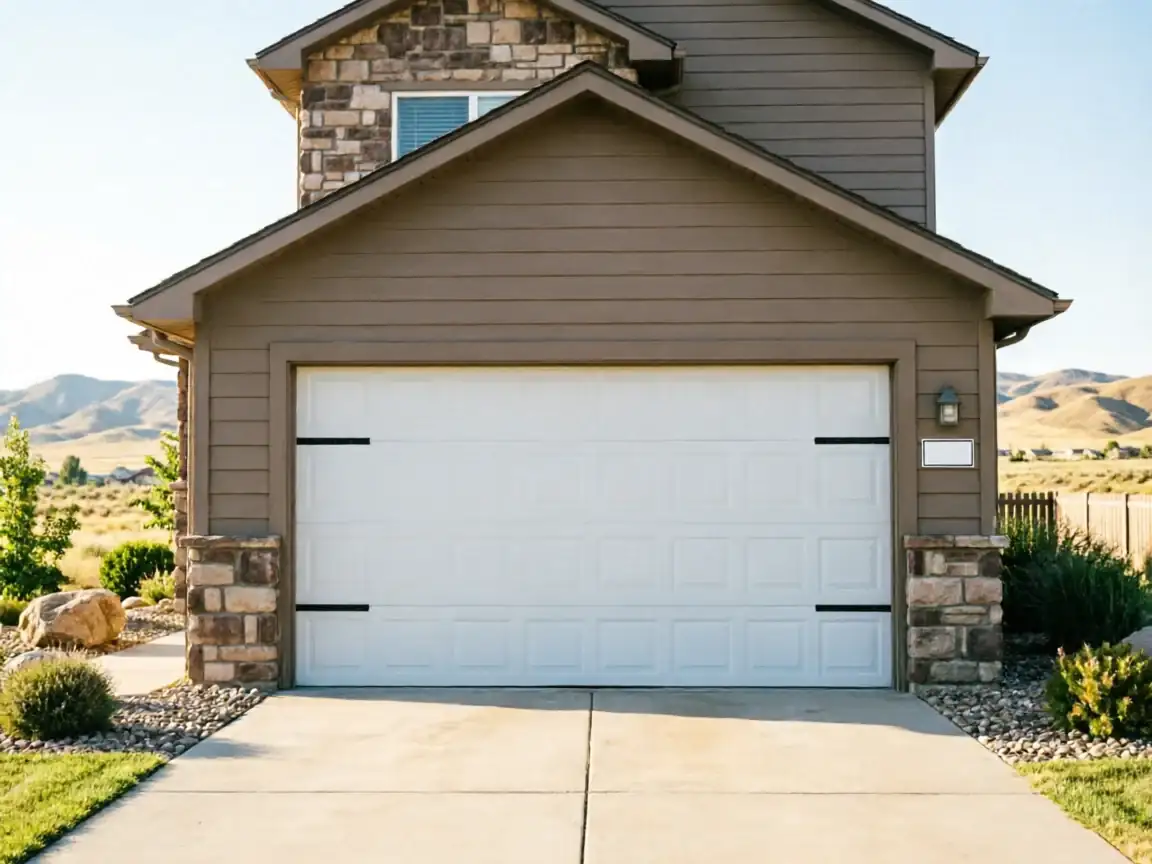
Most of the housing stock across Flagstaff's service area went up between 1985 and 1991
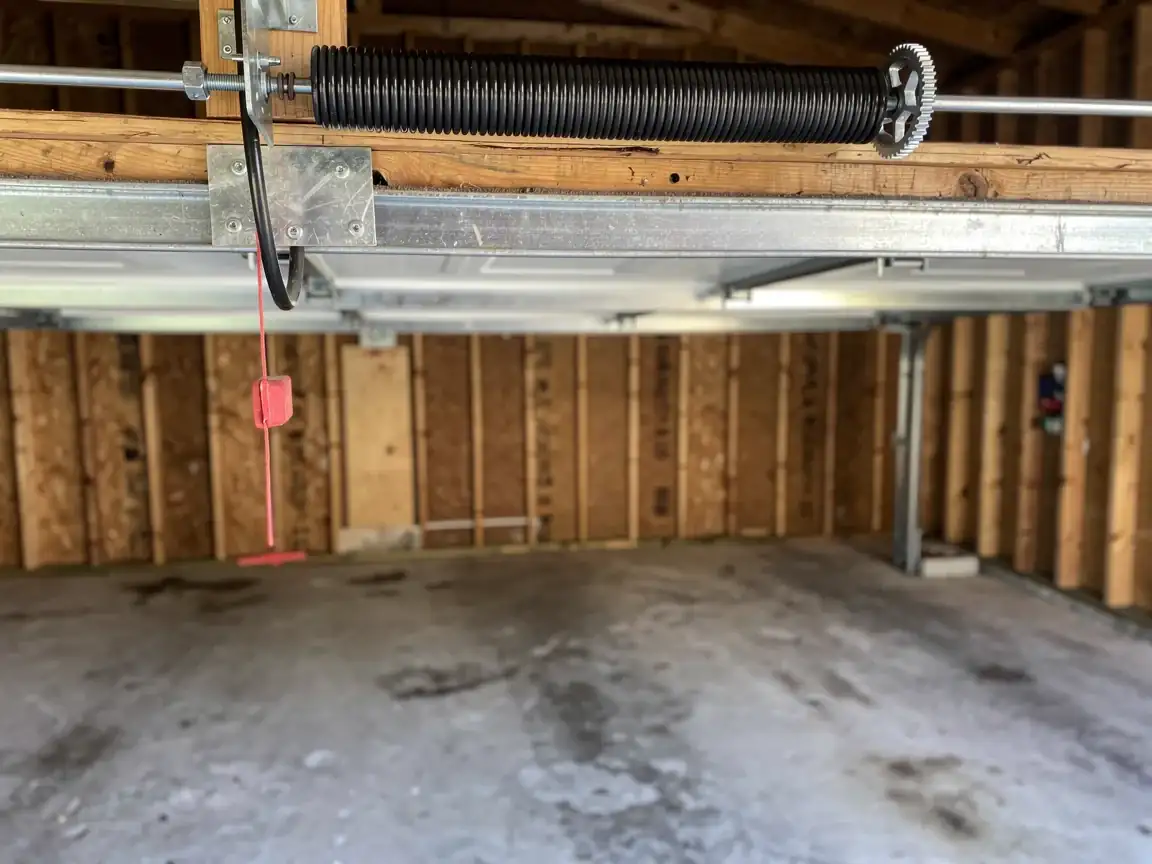
With a median build year of 1985. That means a lot of doors are still running on original or first-replacement torsion springs that are now pushing or past the end of a normal service life. Springs don't fail because they get old sitting still - they fail from cycle count, and cycle count is driven by temperature swings as much as by how often you open the door.
Flagstaff sits in a cold, severe climate band, and that matters for springs specifically
Steel contracts in cold air, which changes the tension a spring carries at rest and adds stress to the coil every time the door cycles through a cold morning into a warmer afternoon. A spring rated for a mild climate town just doesn't see that kind of daily stress load. Across the four main pockets of 1980s and 90s construction in this area, we see the same pattern: original torsion springs that lasted fine for fifteen or twenty years and then started breaking in clusters during the coldest stretches of the year, not gradually, but all at once on a hard winter morning.
The Cost of This Job
We're not going to put a number here that doesn't hold up by the time we're standing in your driveway. Spring size, door weight, whether it's a single torsion spring or two, and whether the drums or cables need attention at the same time all change the job. What we can tell you is what drives the cost up or down: a standard single-door torsion spring swap on a door that's otherwise sound is a different job than a double door where one spring broke and the other is close behind, because at that point replacing both at once is usually the honest call rather than coming back out in a few months for the second failure.
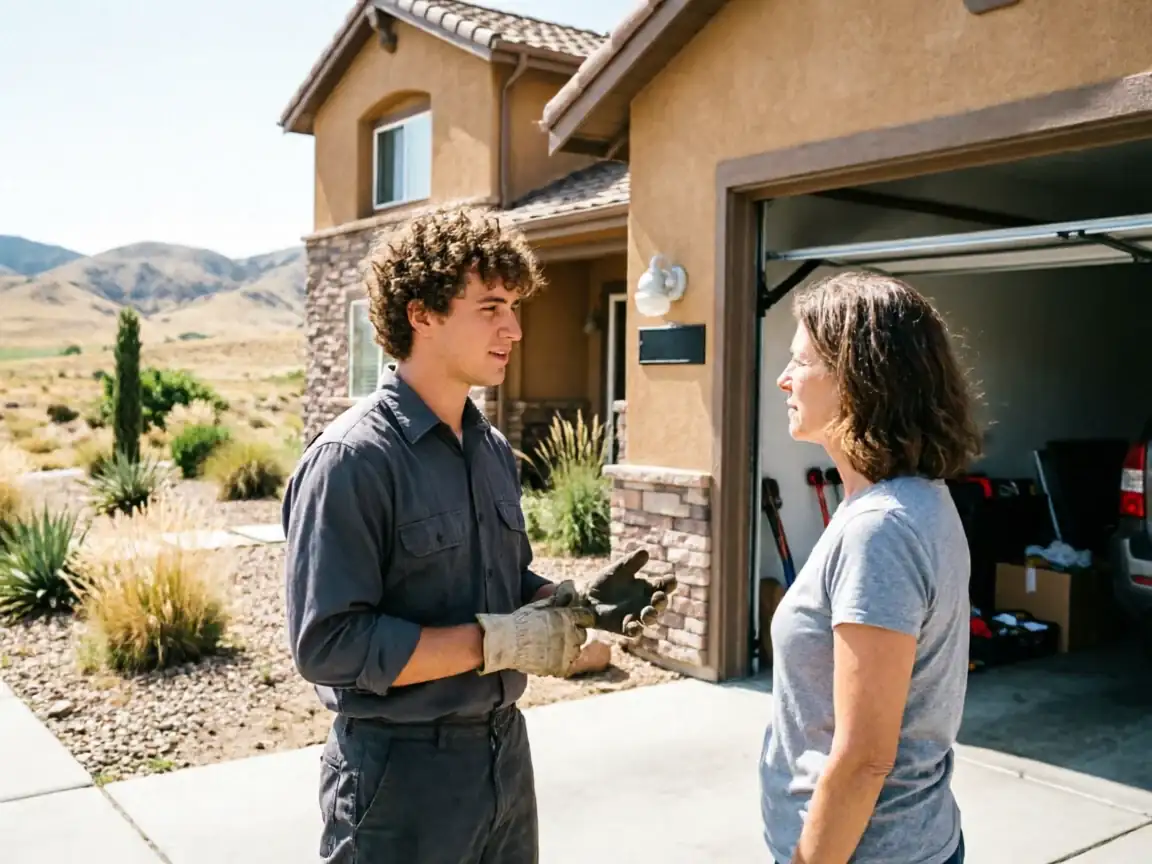
Household budgets in this area tend to support doing the job right the first time rather than patching it, and that's the approach we take - matching spring wire size and wind to the door's actual weight, not just swapping in whatever's closest. We'll give you a real number once we've looked at the door, not a phone estimate that changes when we open the garage.
What the Repair Takes
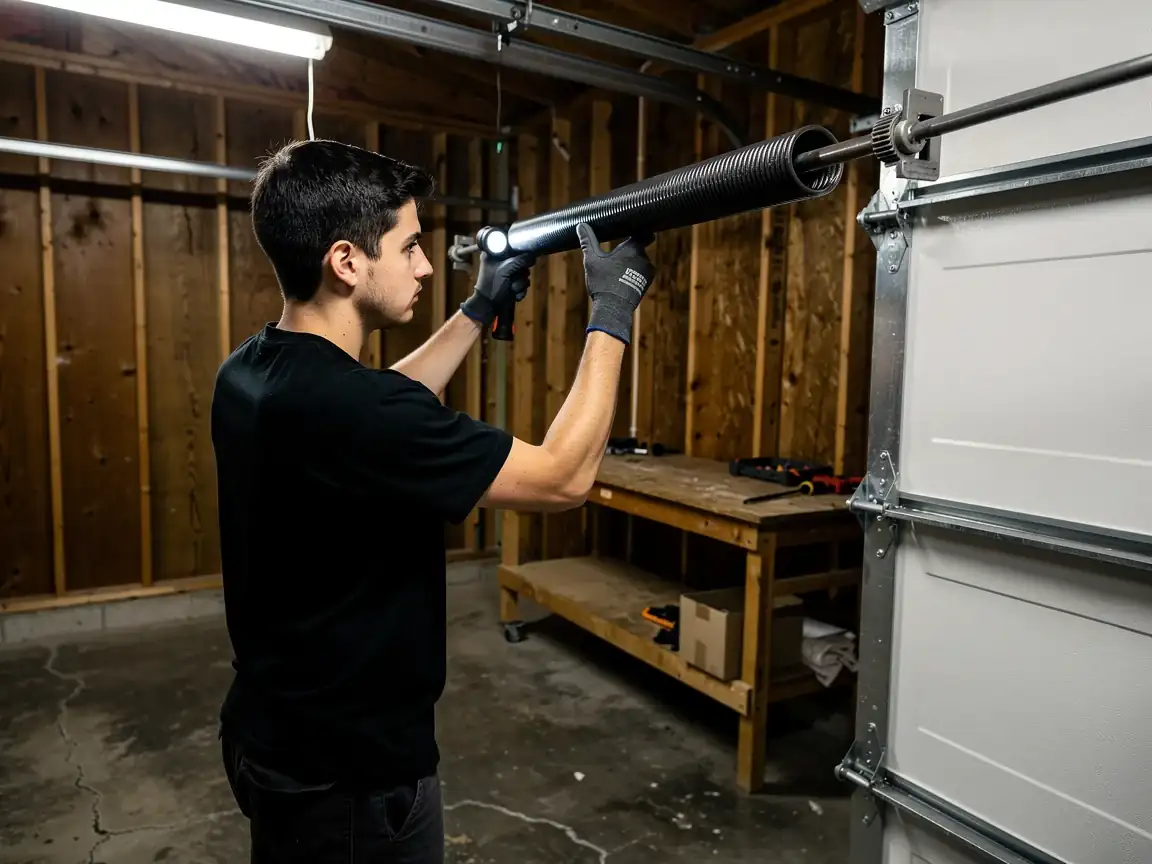
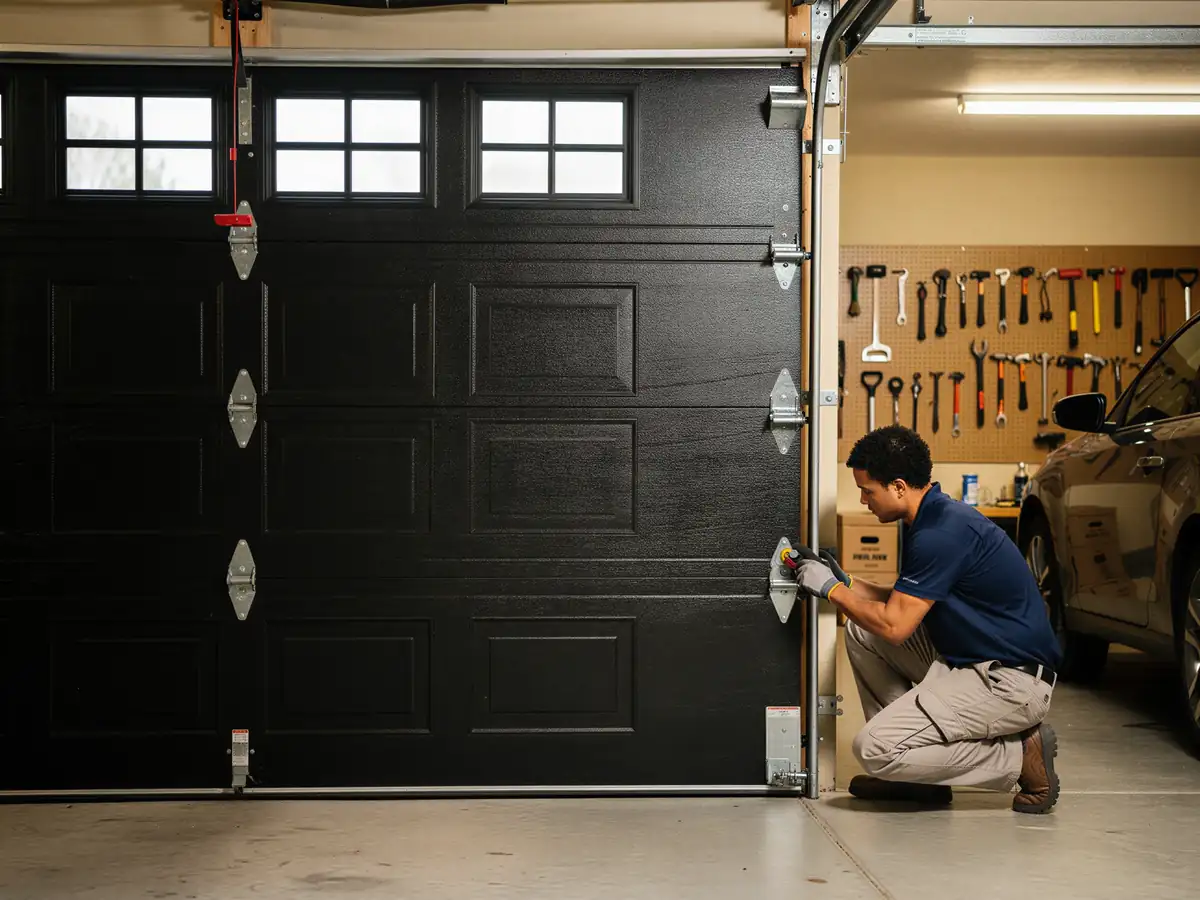
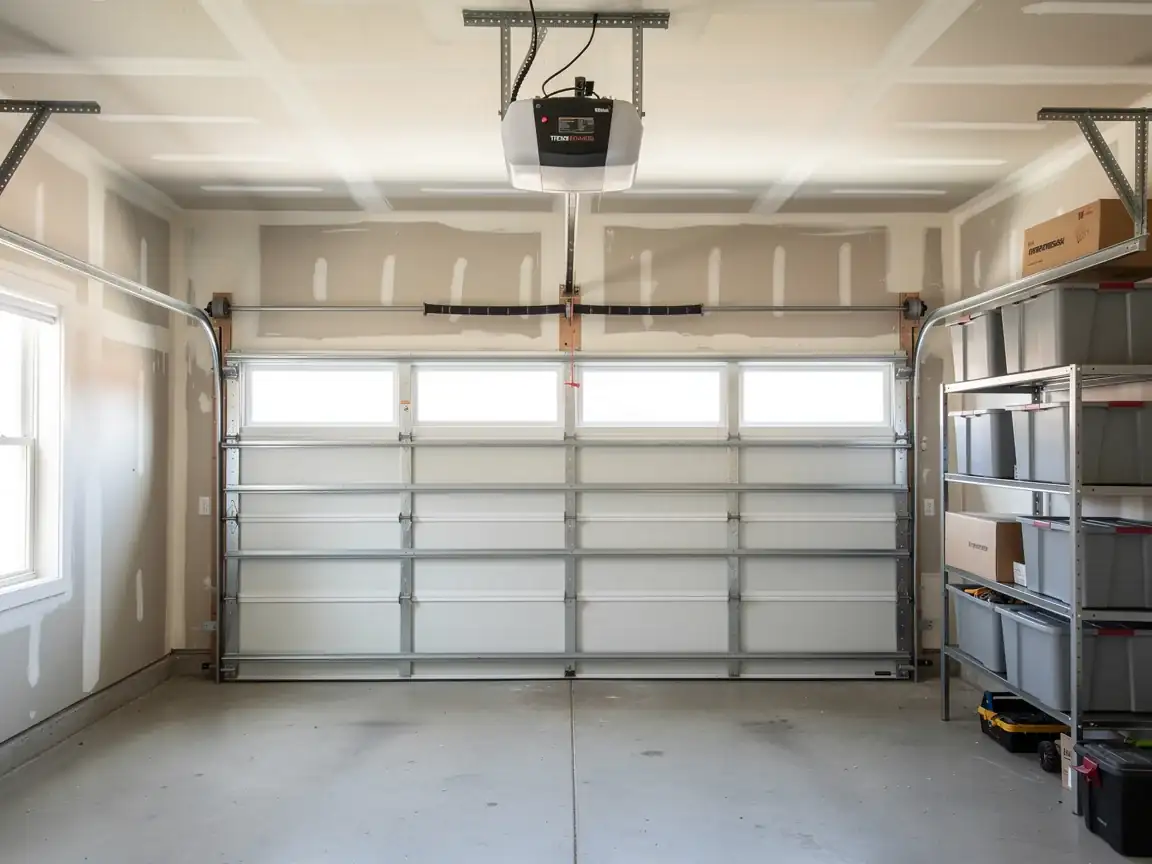
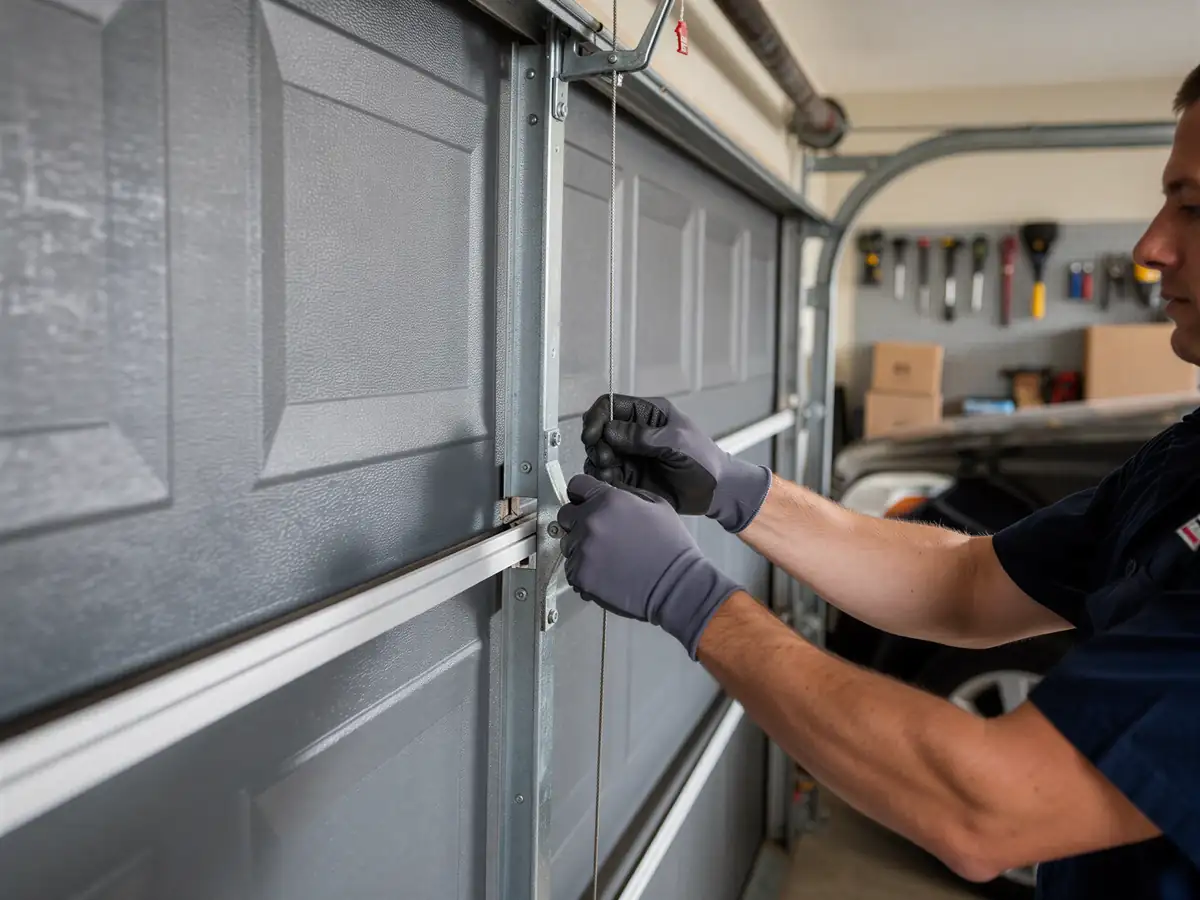
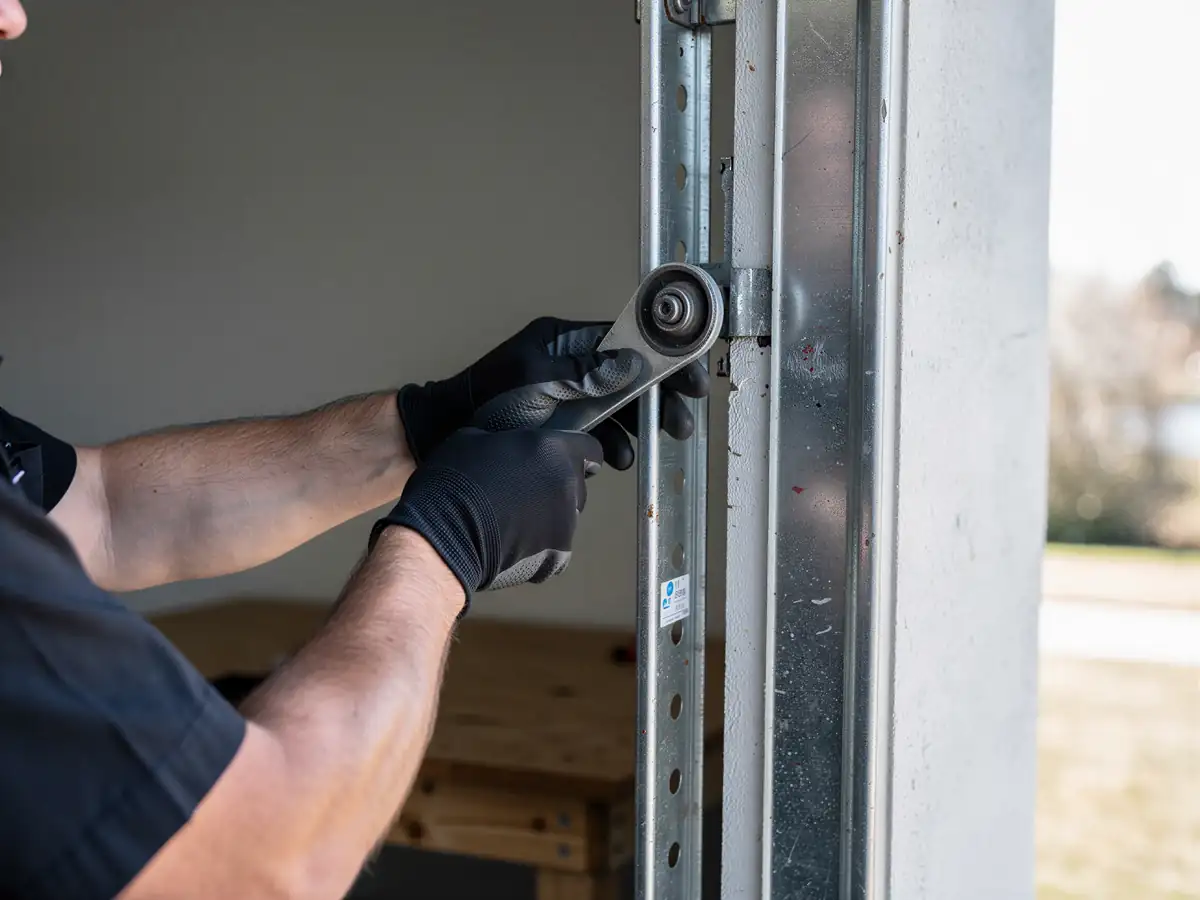
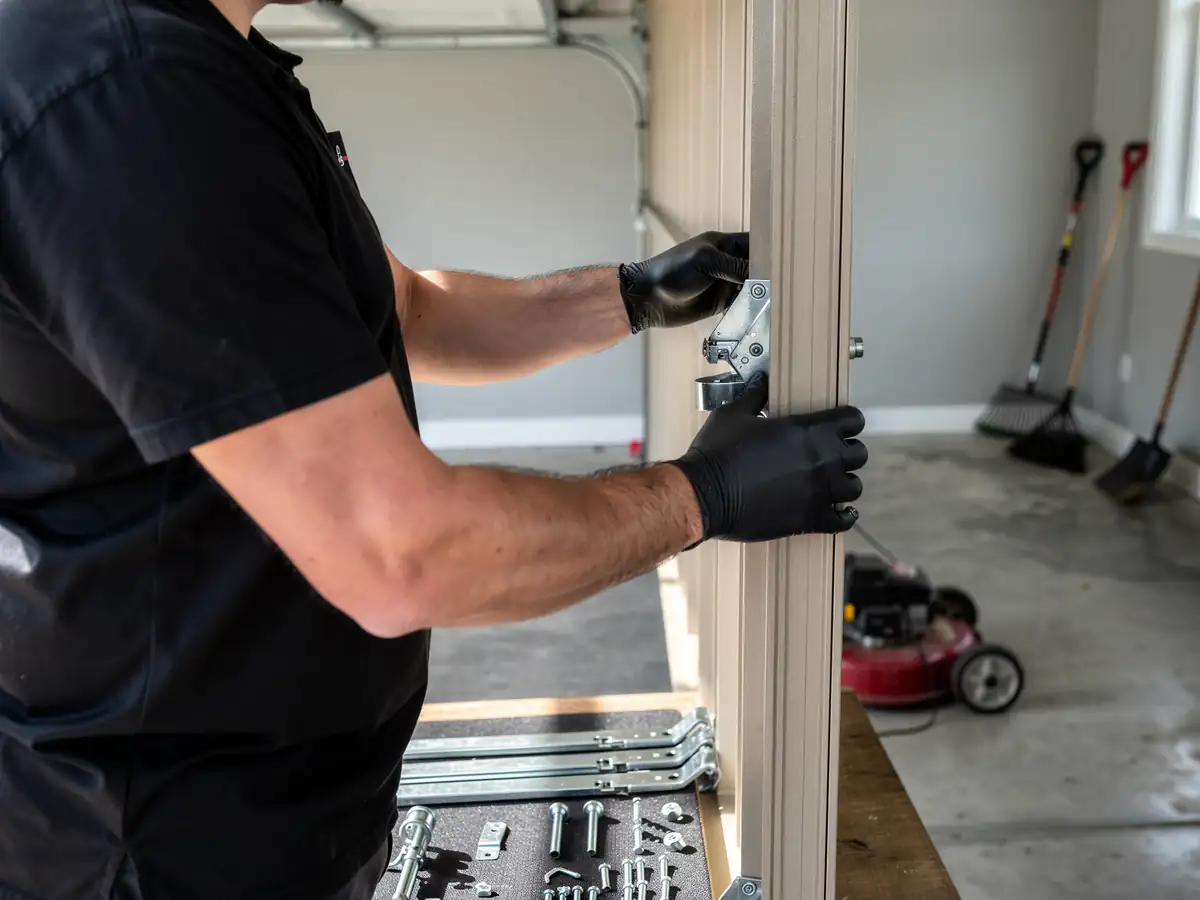
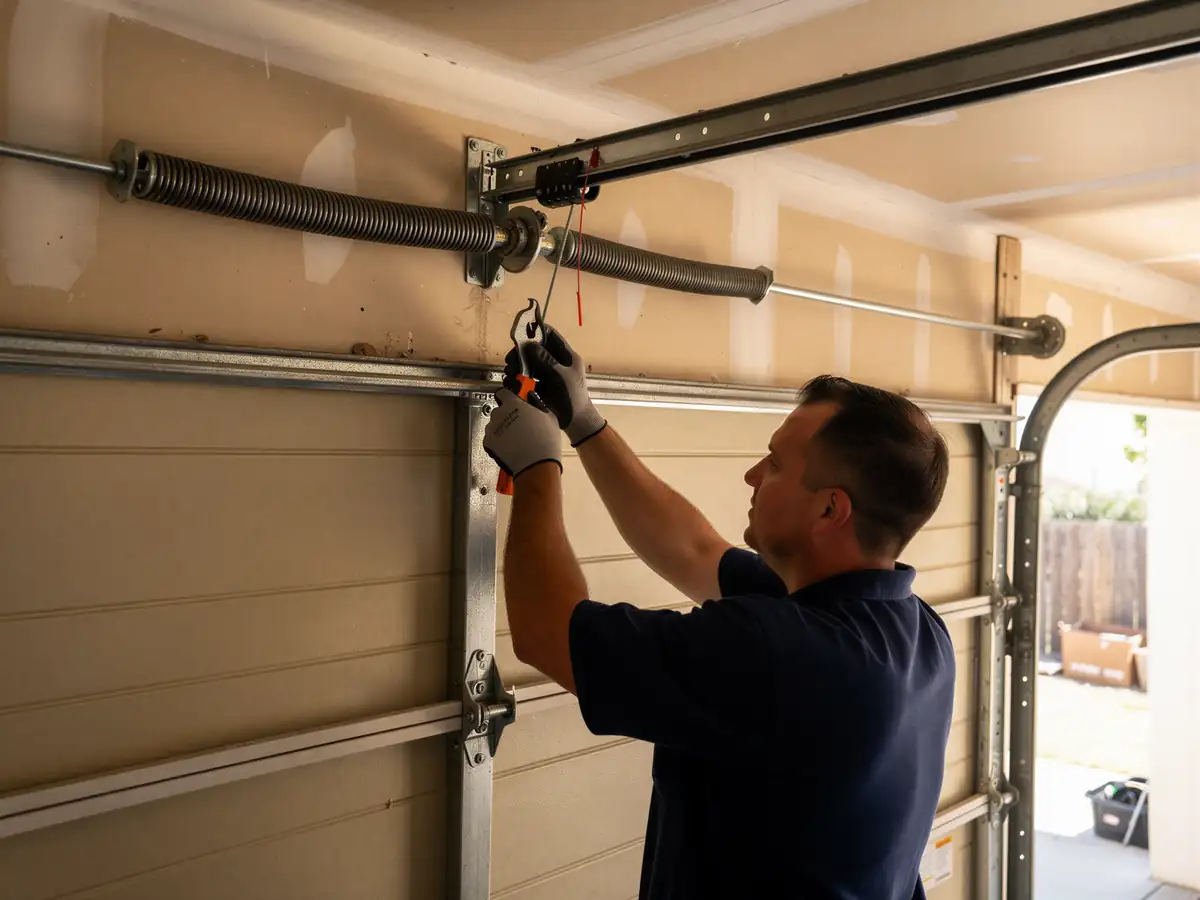
A torsion spring job starts with releasing tension safely, pulling the broken spring off the shaft, and checking the shaft, bearing plates, and cable drums for wear before anything new goes on. On a lot of the 1985-1991 era doors we work on here, the drums and end bearings have never been touched, so if they're worn we'll flag that rather than bolt a new spring onto hardware that's going to cut the cable in a year.
We size the replacement spring to the door's actual weight and the drum's wind, not a generic match, because an undersized spring in a cold-climate install just fails again sooner. Most single-spring jobs are done same visit. Where we hit a limitation: if the shaft is bent or the jambs have shifted enough that the door isn't tracking square, that's not a spring repair anymore - that's a structural issue we'll be straight with you about instead of forcing a spring fix onto a door that needs more than that.
What You Are Seeing
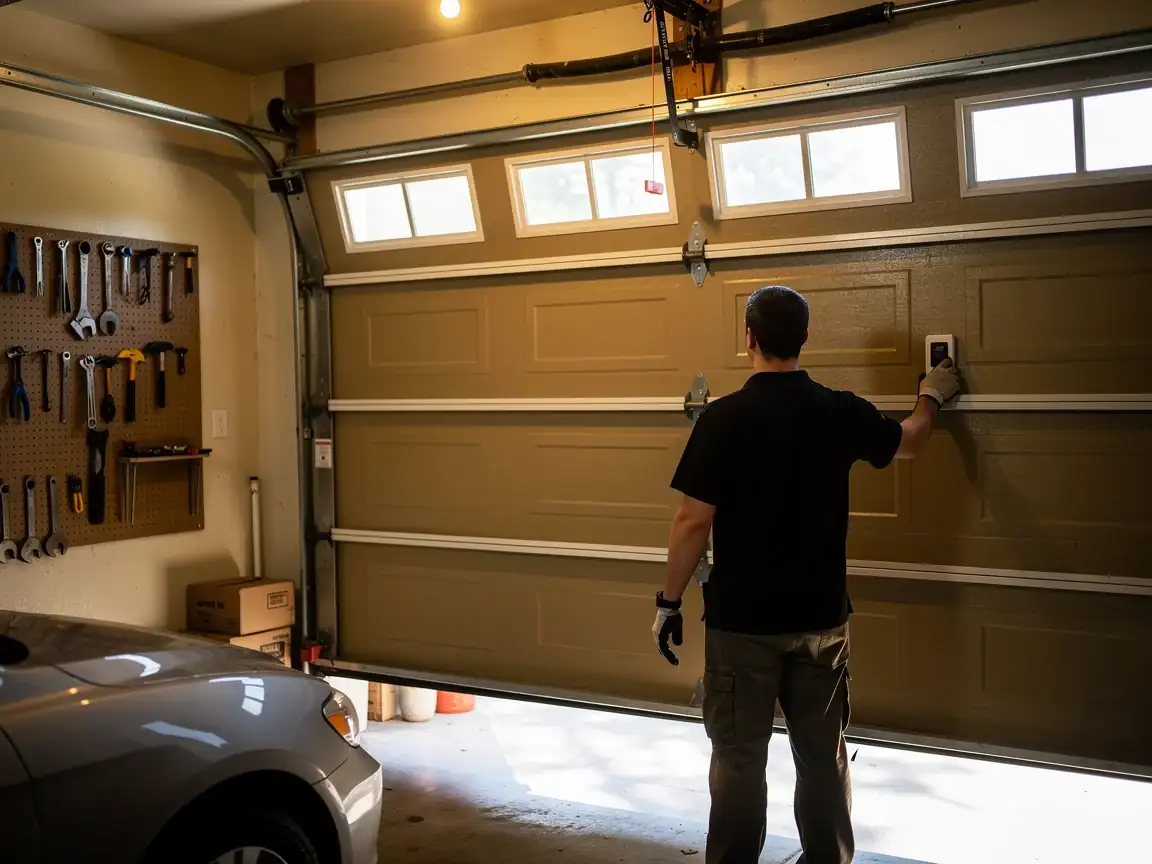
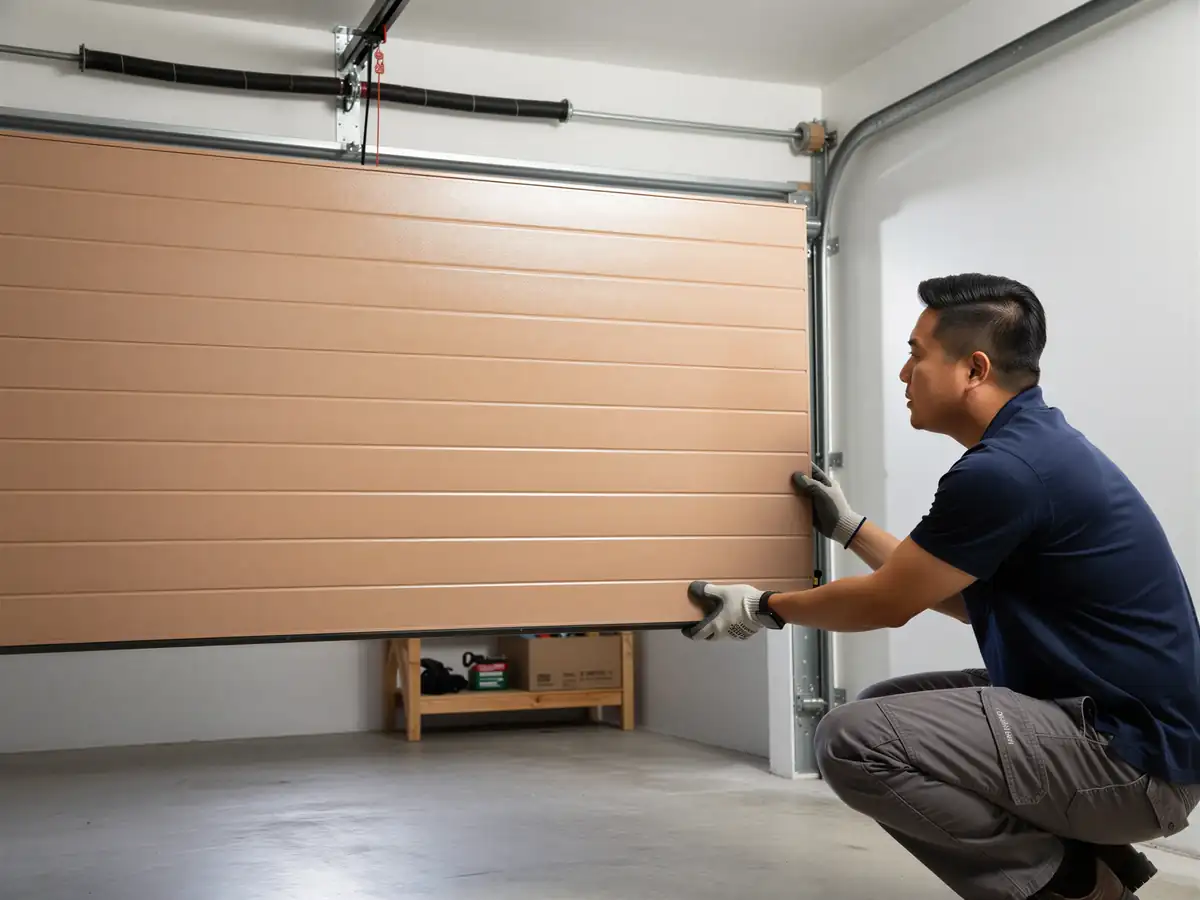
The most obvious sign is a door that won't move at all
The opener runs but the door doesn't lift, or it lifts a few inches and stops. That's almost always a broken spring taking the weight off the system. You might also notice a loud bang from the garage, often in the early morning when the cold has the steel at its stiffest - that's the spring letting go, not the door or opener failing.
Before a full break, watch for a door that feels heavier than it used to when you lift it by hand with the opener disconnected
Or cables that look loose or frayed at the bottom brackets. If your door is visibly crooked when it's partway open, one spring may have already failed while the other is still holding, which is a sign to get it looked at before the second one goes.