How to Book
Kachina Village sits about 8 miles south of Flagstaff
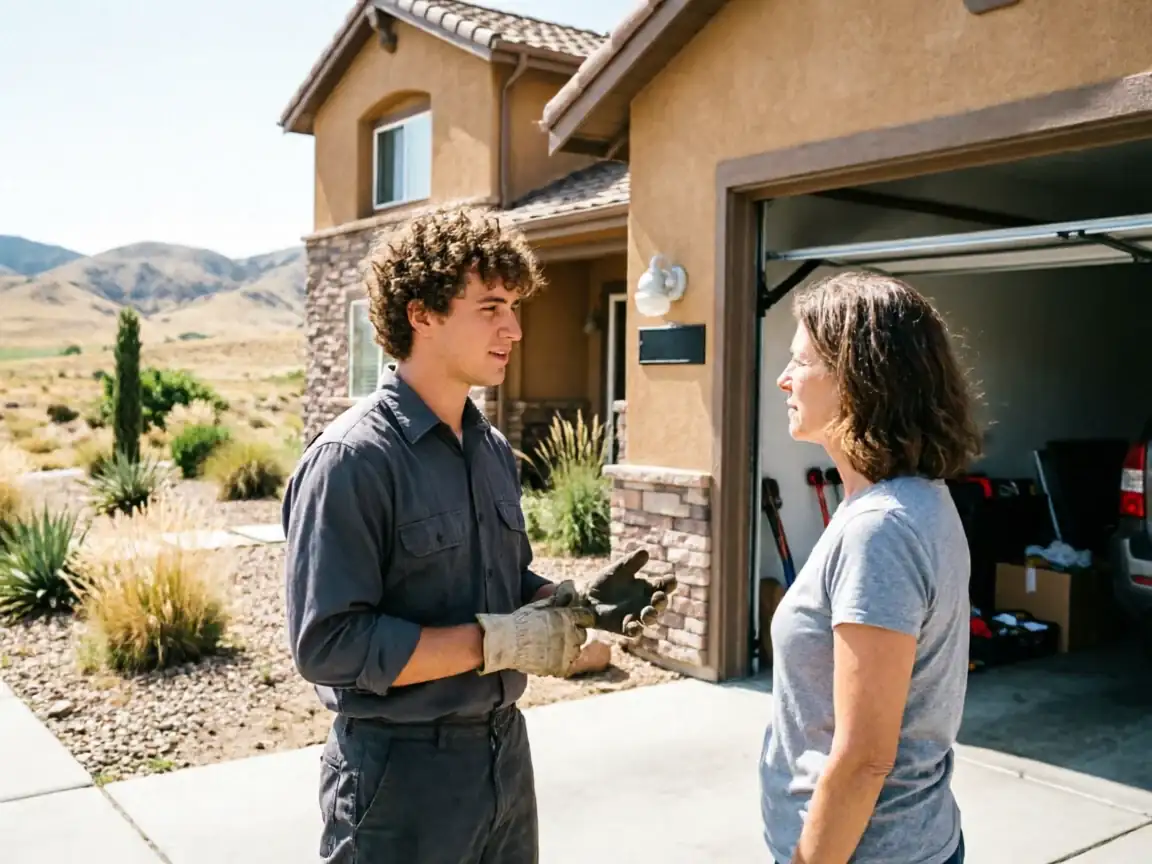
Which means every call here starts with a drive, not a dispatch from a local yard. We don't keep a branch or a depot in the village - we run the truck down from Flagstaff, same as we do for Mountainaire closer in and Fort Valley further out. That's worth saying plainly because it shapes how booking works: we're not promising a same-hour knock on the door, we're promising a crew that already knows the road and doesn't need directions once it gets off the highway. When you call, tell us what the door is doing (won't open, stuck halfway, loud grinding, cable off the drum) so we load the right parts before we leave rather than guessing. That one extra detail at booking saves a second trip more often than anything else we could tell you.
- 8 miles
We book by the job, not by a fixed daily route through the village
So if you're flexible on the day you're more likely to land a slot that lines up with another call we're already making out your way.
Use the link below to book
Or call and describe what the door is doing - either way, the more specific you are up front, the less time the drive costs you.
How Long It Takes
The 8-mile run from Flagstaff adds real minutes to every visit, and we build that into the estimate rather than pretending it isn't there. A straightforward spring swap or opener fix still runs the same length on the actual door - it's the travel on either end that's longer than a call three blocks from the shop. If a part isn't on the truck (a specific drum size, a less common opener board), that second trip means another 8 miles each way, which is why we try hard to nail the diagnosis on the phone before we ever leave Flagstaff.
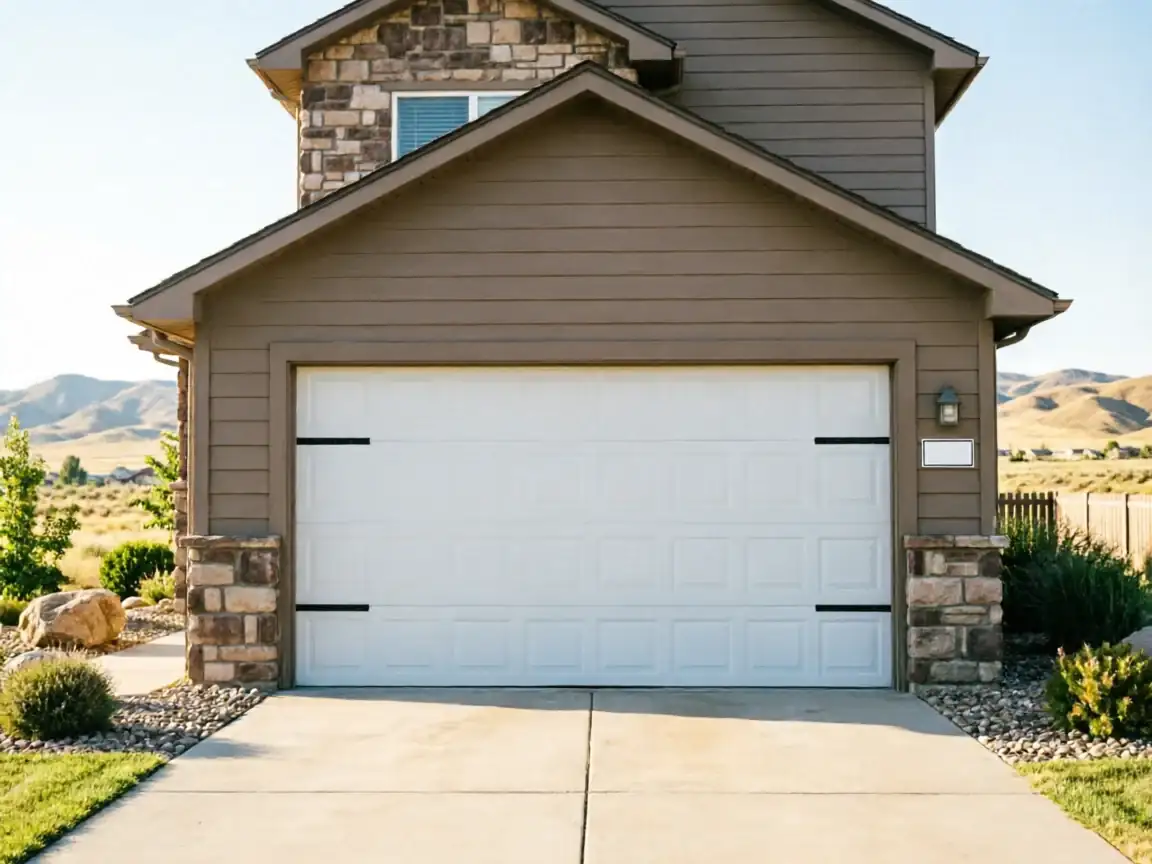
Most of the housing in this part of the service area went up in the mid-1980s, and doors from that era tend to fail in predictable ways - so for a lot of Kachina Village calls we can guess the likely part before we see the door and load for it. That doesn't always work, and we won't pretend it does, but it cuts down on the number of jobs that need a second drive out.
Parts We Carry
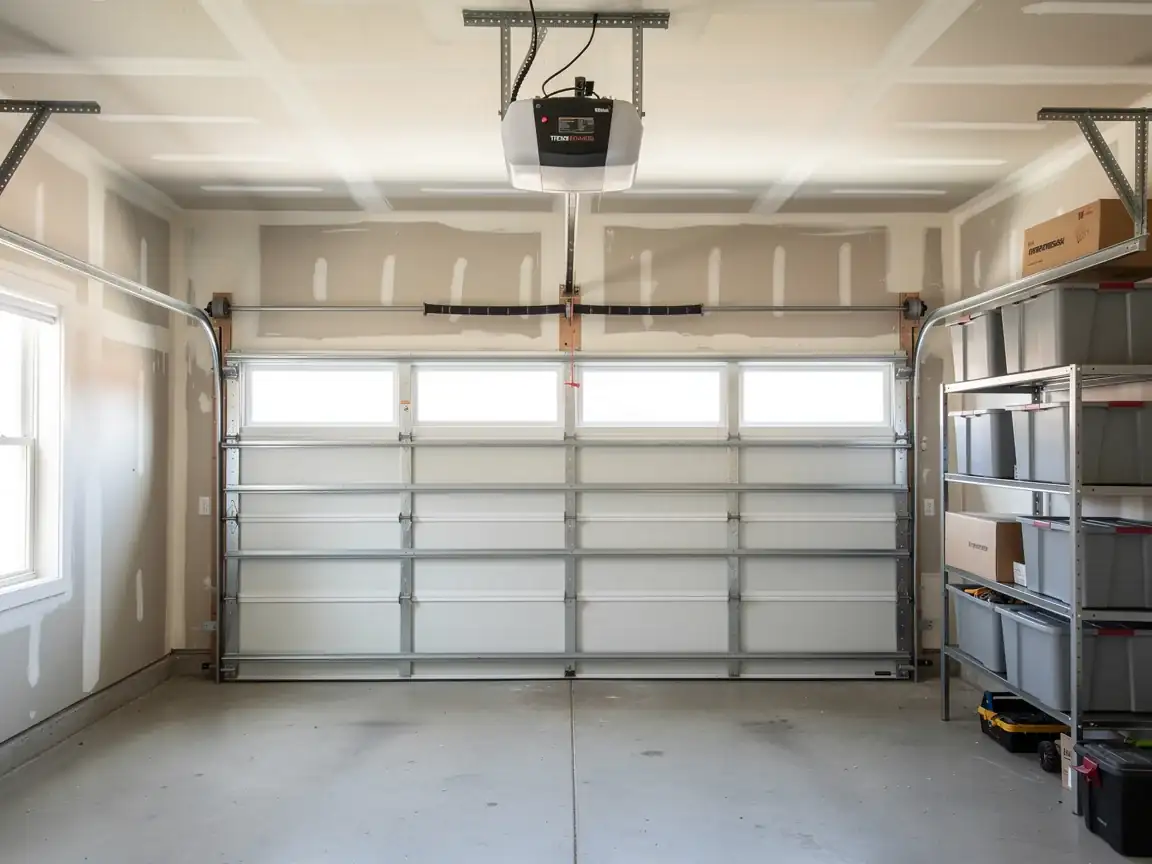
Houses in this area cluster tightly around 1985 construction, and the hardware that came standard then is what we stock heaviest on the truck for Kachina Village calls: torsion springs sized for the door weights common to that build era, standard-drum cable sets, and the openers that replaced the original chain-drive units once those wore out. We also carry rollers and hinges rated for cold-weather operation, because a steel door that sits unheated through a severe winter stiffens and binds in ways a door in a mild climate never does.
We don't carry every proprietary opener board on the market, and if your door has a less common or discontinued part, we'll tell you that on the phone rather than finding out halfway through the job. Sometimes the honest answer is that a part needs to be ordered, and the fix happens on the second visit instead of the first.
Can You Do This Yourself
Some of it, yes
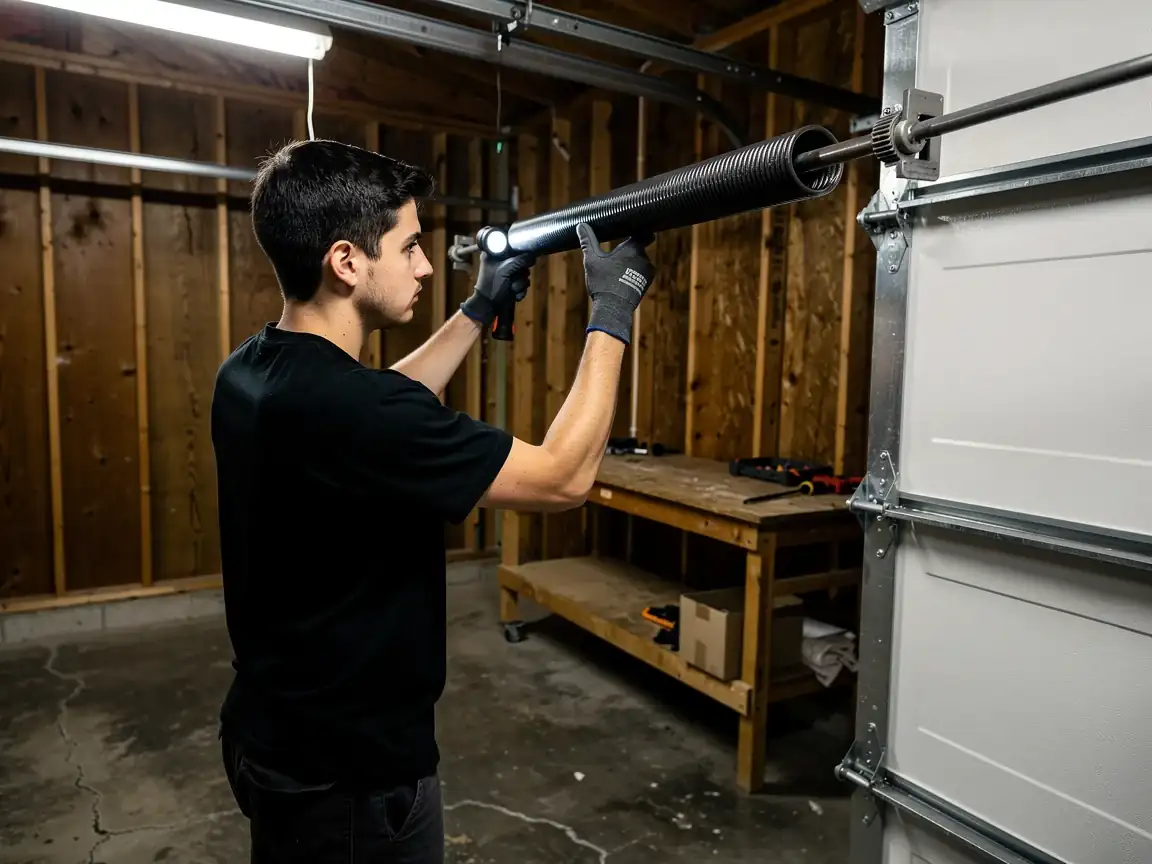
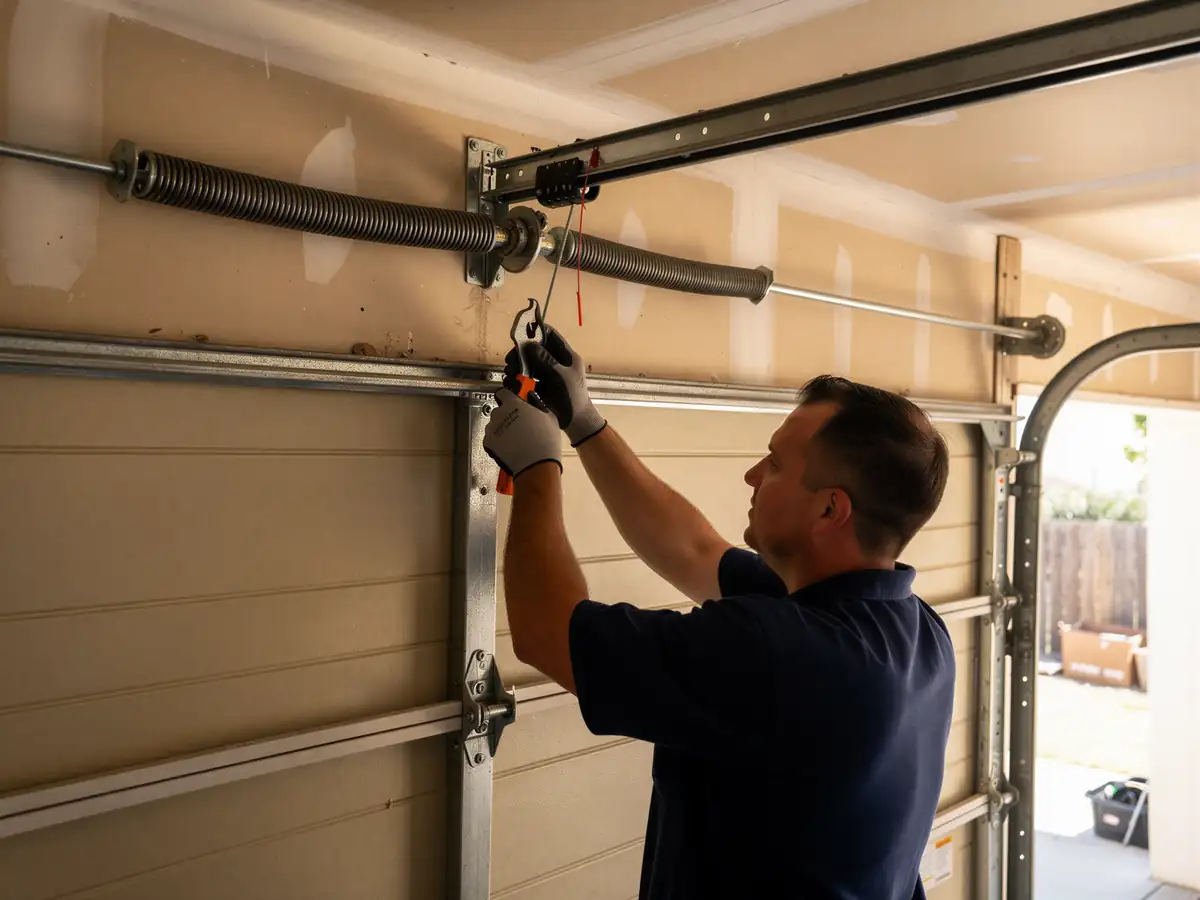
Tightening loose hardware, clearing track debris, lubricating rollers and hinges - none of that needs a truck from Flagstaff. What doesn't belong in a homeowner's hands is anything on the spring side: a torsion spring under tension can break a wrist or worse, and on a door this age the spring has usually never been replaced, which means it's closer to failure than a newer one. Cable work is the same category - don't touch it loaded.
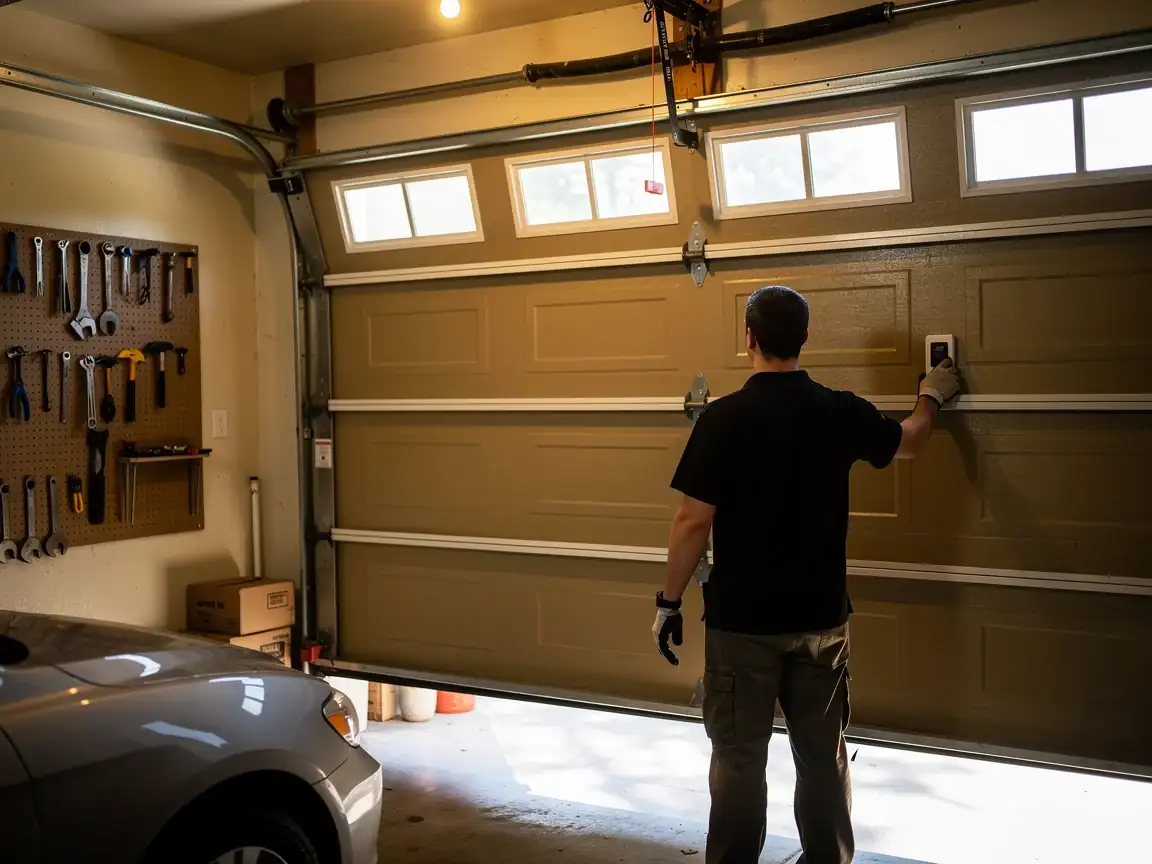
If your opener just needs the travel limits reset or the sensors realigned
That's often a five-minute fix you can do yourself with the manual. If the door is binding, grinding, or came off track, that's a call, not a weekend project - especially with an 8-mile drive on either end if a first attempt makes things worse.
Why It Happens Here
The reason doors fail the way they do in Kachina Village traces back to when the houses went up and what the winters do to them. With most construction here dated around 1985, a large share of the original torsion springs, rollers, and openers are now pushing 40 years old - well past the point where metal fatigue and dried lubrication start causing the grinding, sticking, and sudden snaps we get called out for. Pair that with a cold, severe winter climate, and steel contracts, grease thickens, and seals that were fine in October bind up hard by January.
This isn't a village-specific defect - it's the straightforward result of 1980s hardware meeting a harsh winter for four decades running. Compare that to areas with newer housing stock and the failure pattern looks different; that's why we don't treat every call in the service area the same way before we even see the door.