The Cost of This Job
Most of the houses we work on here went up between 1985 and 1991
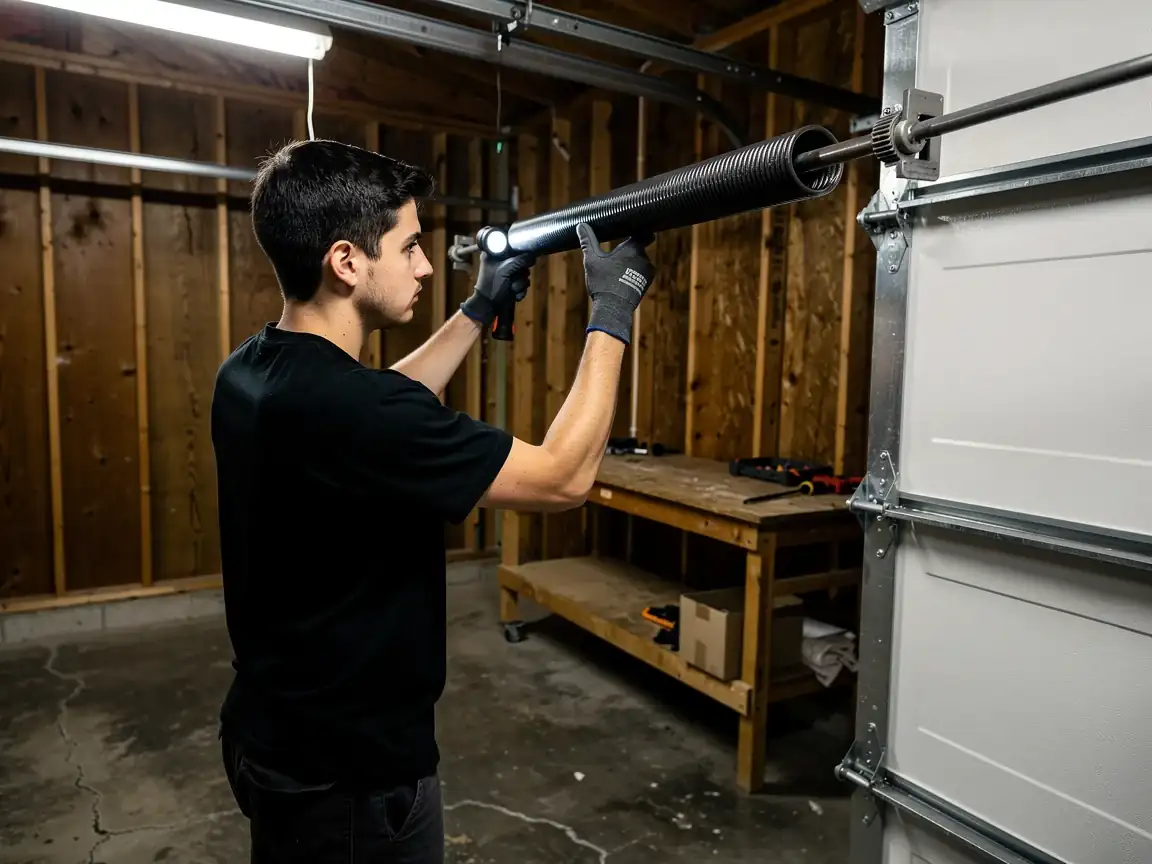
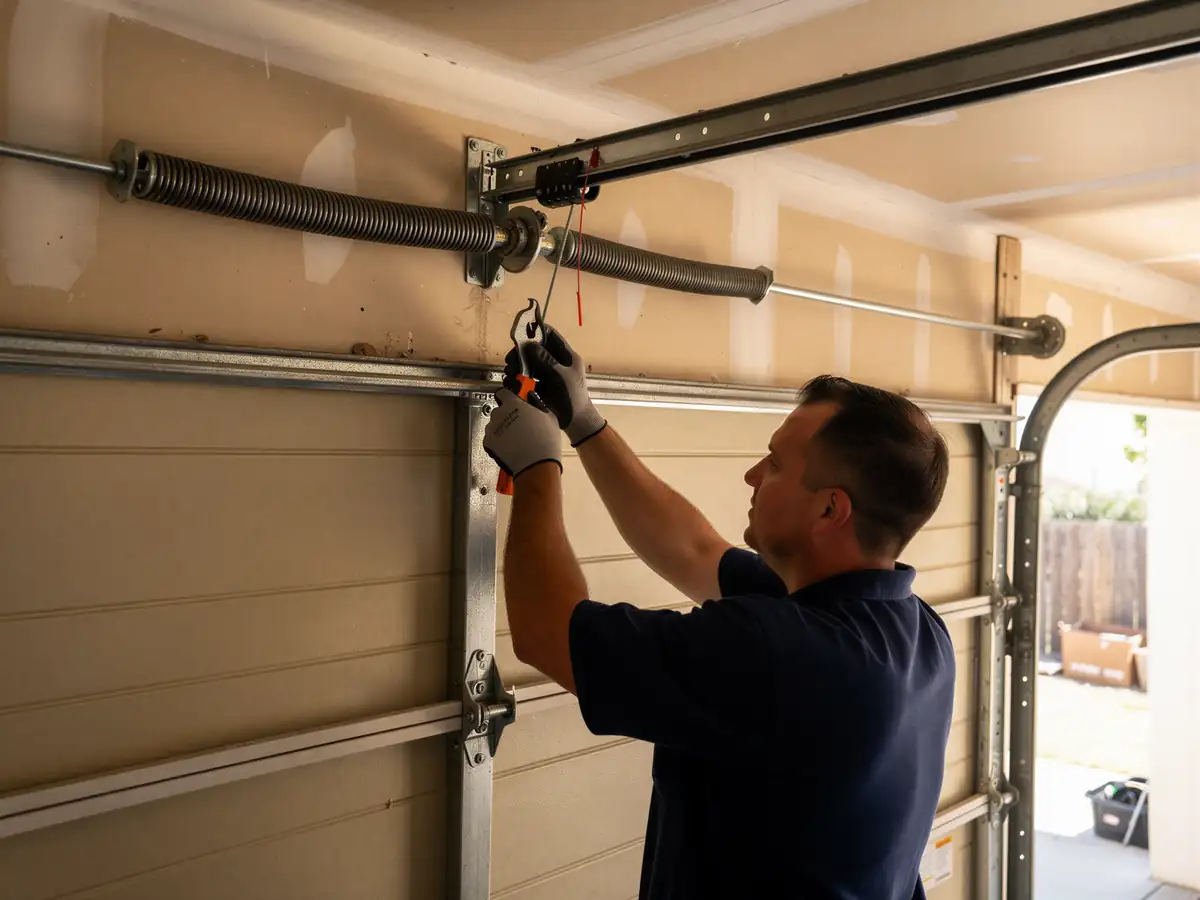
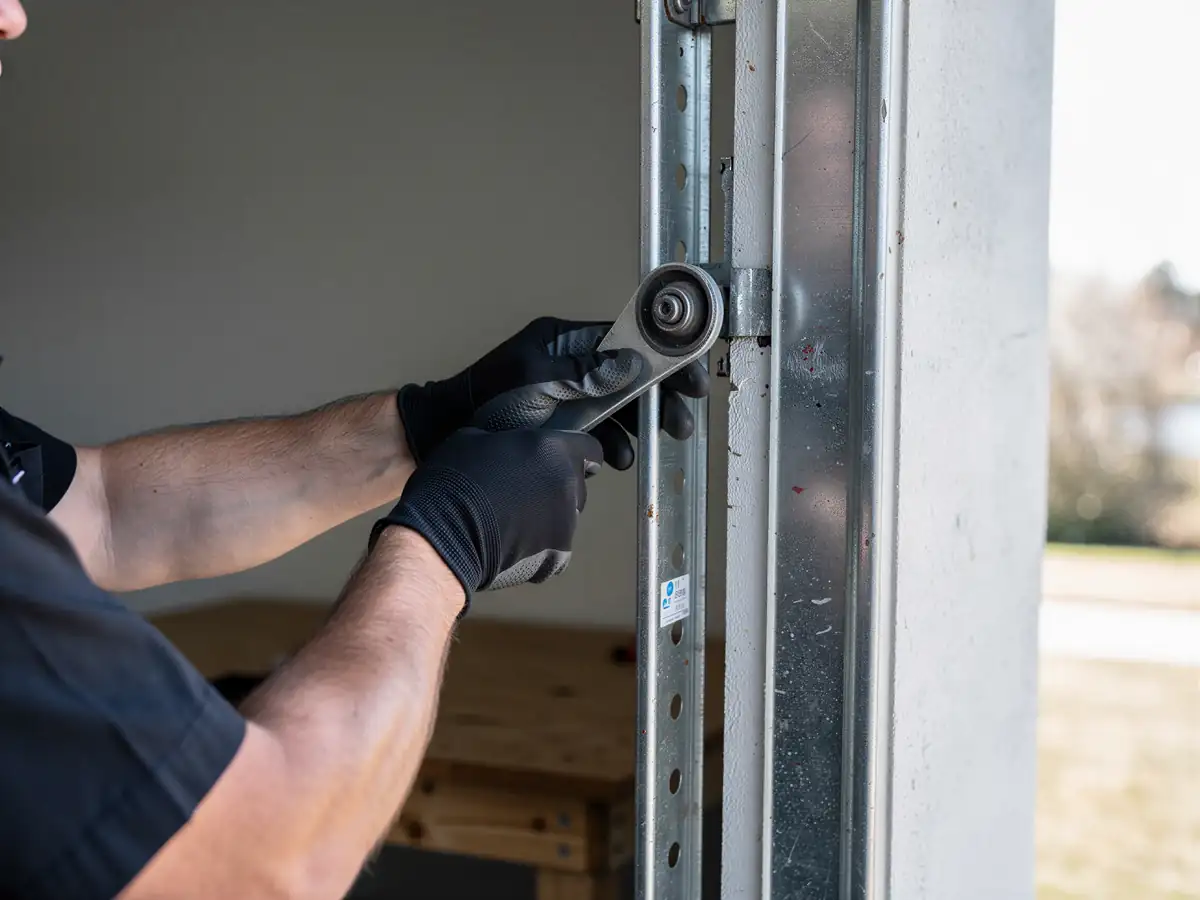
With a median build year of 1985. That matters for cost because it means the garage openings, track widths, and spring sizing across this part of town are fairly consistent - we're not guessing at a one-off retrofit from an older, hand-built door the way you might in a much older neighborhood. A broken torsion spring, a slipped cable, or a worn roller on one of these doors is usually a known quantity for us before we even open the truck.
What changes the bill more than the door's age is what's attached to it
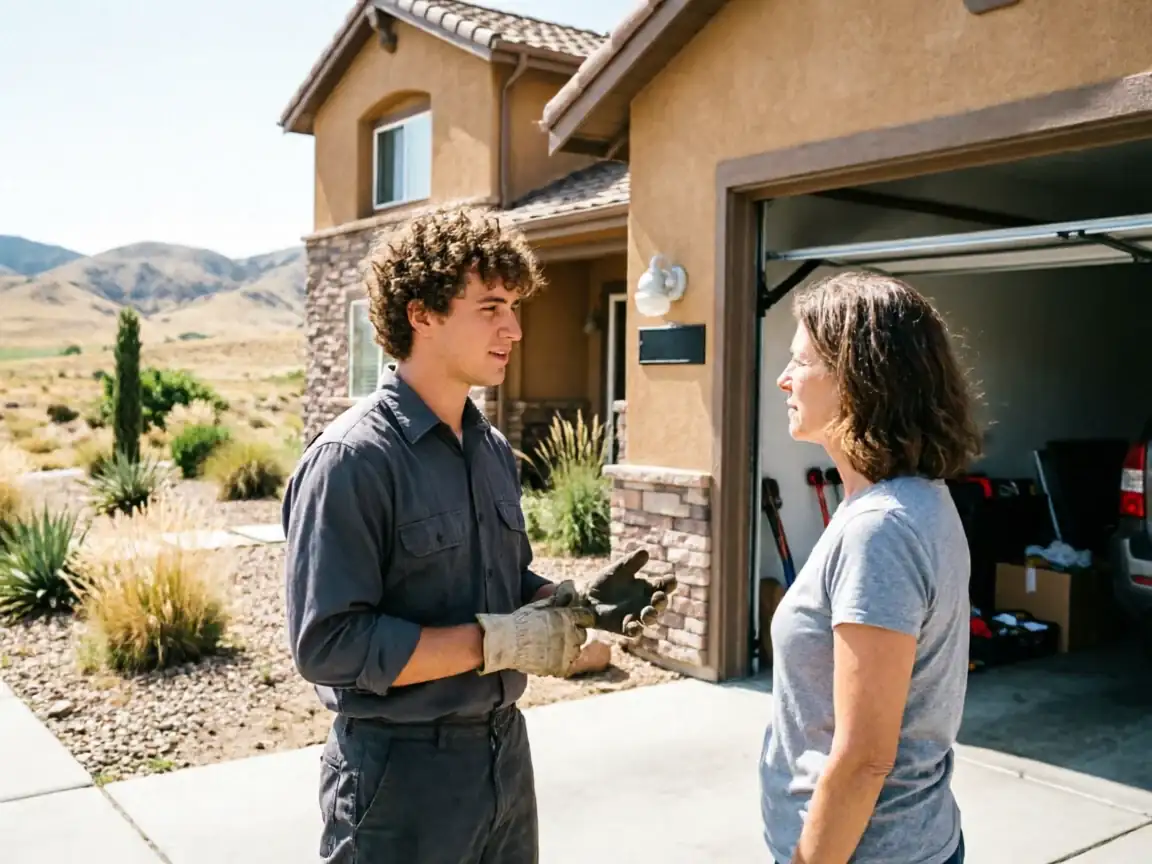
Openers from a mid-80s build often ran on hardware that's long since been replaced, so a repair sometimes turns into an opener swap rather than a patch job. We don't quote a flat number here because we don't have one that's honest for every door - what we can tell you is that median household income in this service area runs around $94,457, which is the range most of our customers are budgeting against when they call. We'll give you a real number once we've seen the door and the opener, not before.
The Situation
The service area we cover runs across roughly 2,995 households and about 4,536 owner-occupied houses, spread across a handful of named areas - Mountainaire about 6 miles out, Kachina Village around 8 miles, Fort Valley at 12 miles, and Munds Park at 17 miles. Housing stock across these areas is overwhelmingly from the 1980s and 90s, which means a lot of the doors we see share the same bones: same-era torsion hardware, same-era panel materials, same-era opener mounts.
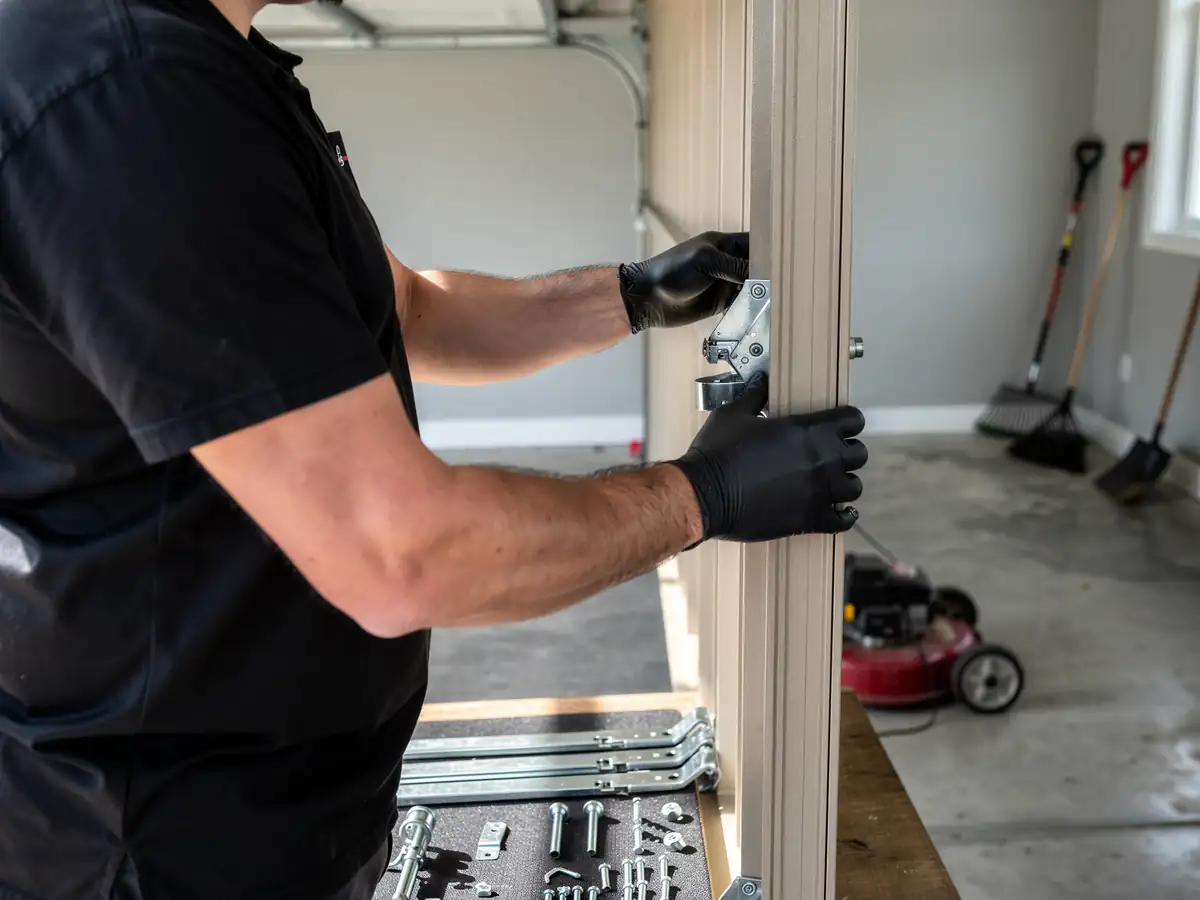
That consistency is useful to us on a job. When we know a door is likely from a 1985-1991 build, we can usually bring the right spring and roller stock on the first trip instead of a second visit after ordering a part. It also means that if your neighbor a few doors down had a spring go out last winter, there's a decent chance yours is wired the same way and due for the same kind of attention. We're not claiming to have worked every street in Mountainaire or Munds Park - we're telling you what the housing data says about the doors out there, and what that tends to mean for the job.
How Local Conditions Play In
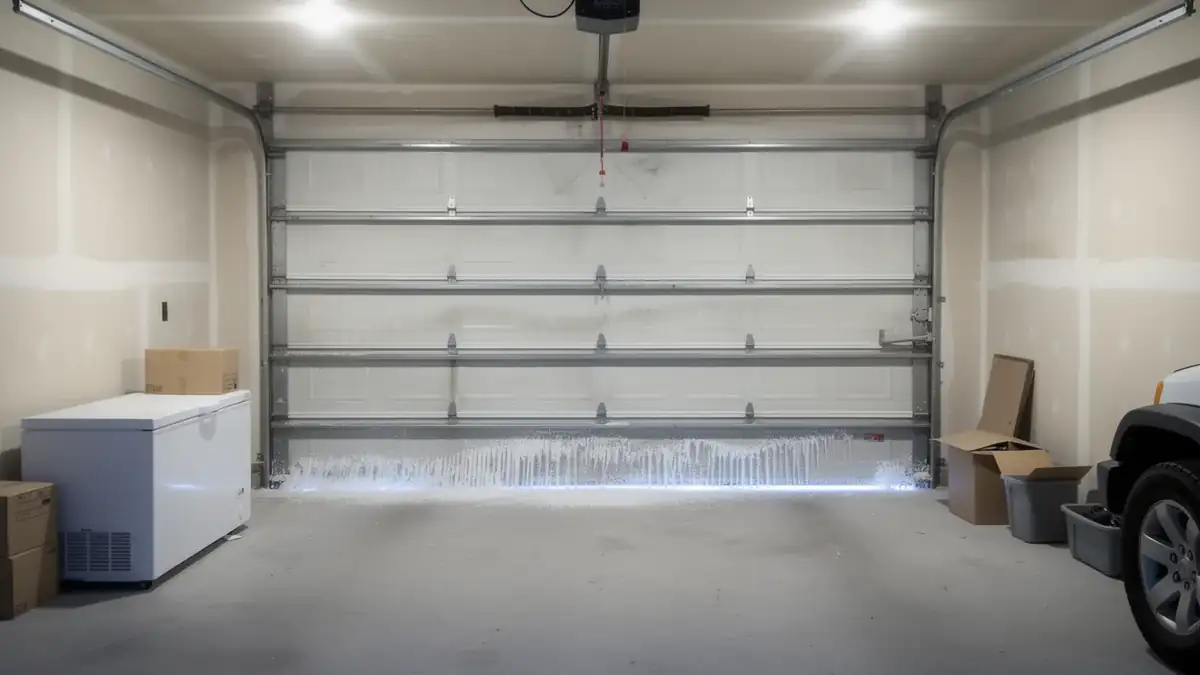
This area sits in a severe cold climate band, and that changes how a garage door behaves differently than it would somewhere mild. Cold stiffens the lubricant in torsion springs and rollers, so a spring that's already fatigued is more likely to let go on a hard freeze morning than on a warm afternoon. Nylon rollers get brittle and crack. Weatherstripping on a door built in the mid-80s, before some of today's sealing standards, often doesn't close the gap at the bottom the way a homeowner expects, and that lets cold air sit against whatever's parked inside.
We see this show up as a seasonal pattern: more spring failures and more opener strain in the cold months than the warm ones, concentrated in the same housing stock we described above. If your door is original to a house built in that 1985-1991 window, the hardware has had three and a half decades of cold-to-warm cycling on it, and that's wear you can't paint over. We don't recommend swapping a working spring just because of its age - but if it's already showing uneven tension or noise, winter here is not the season to let it ride.
When Waiting Is Fine
Not everything that looks wrong needs a same-week call
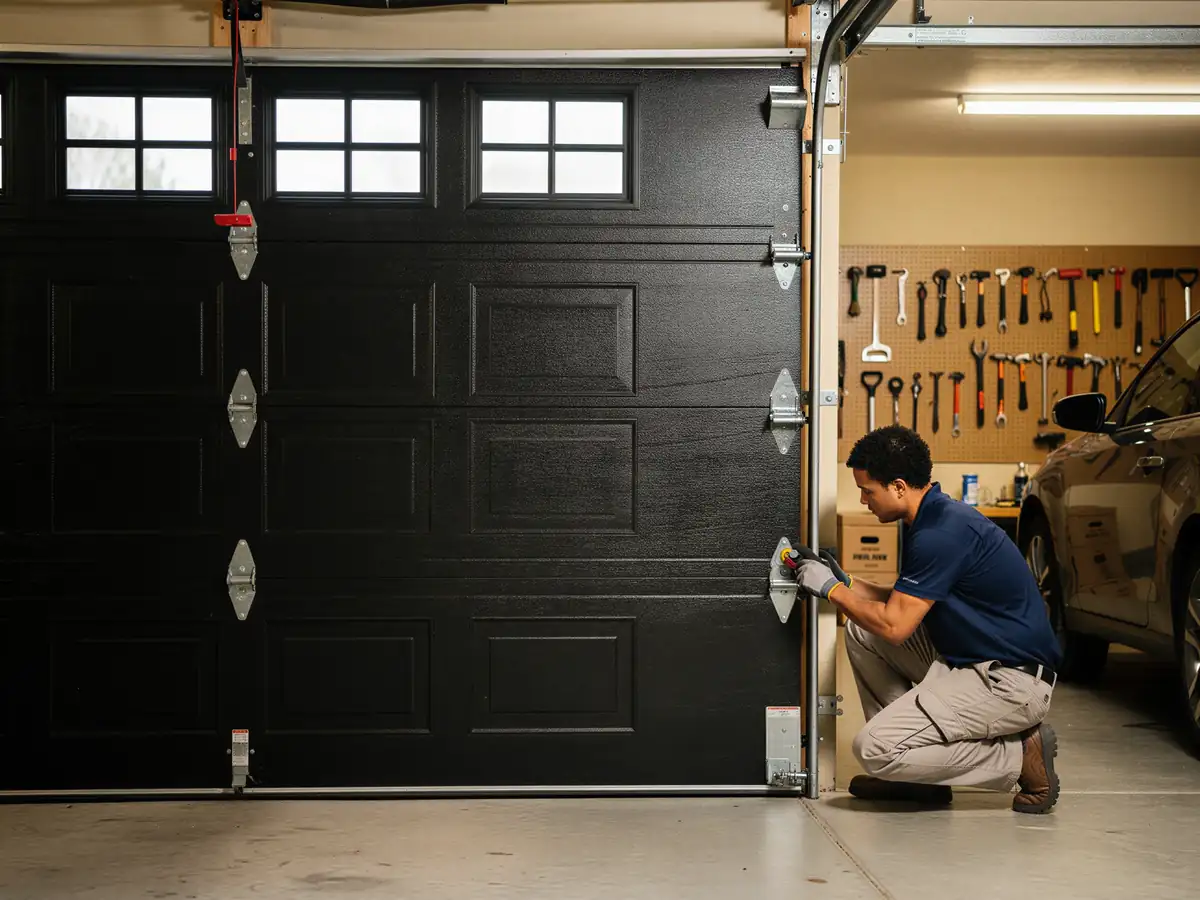
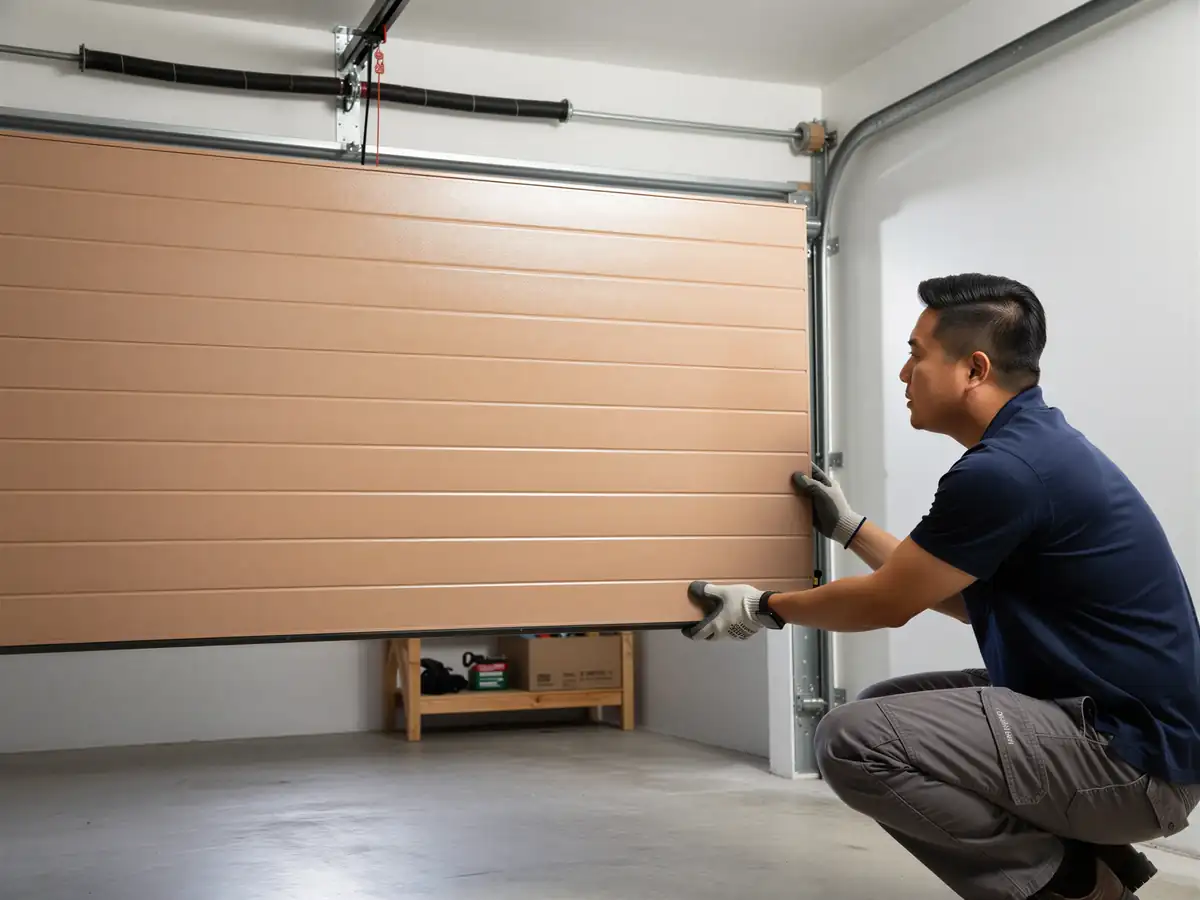
A door that's slightly off-track but still opens and closes without binding can usually wait a few weeks for a scheduled visit rather than an emergency one - we'd rather look at it once than rush out and miss something. A dented panel that doesn't affect the seal or the balance is cosmetic; it's your call on timing, not ours.
Here's the honest limit
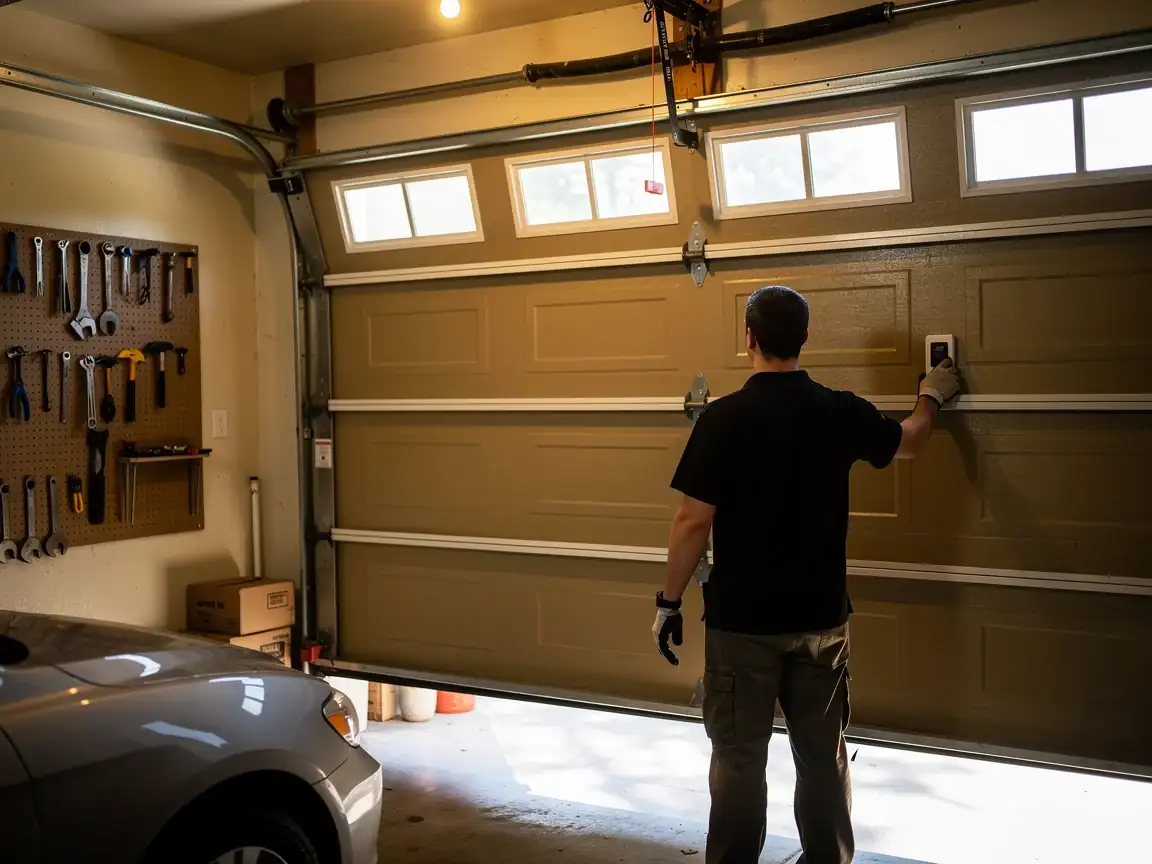
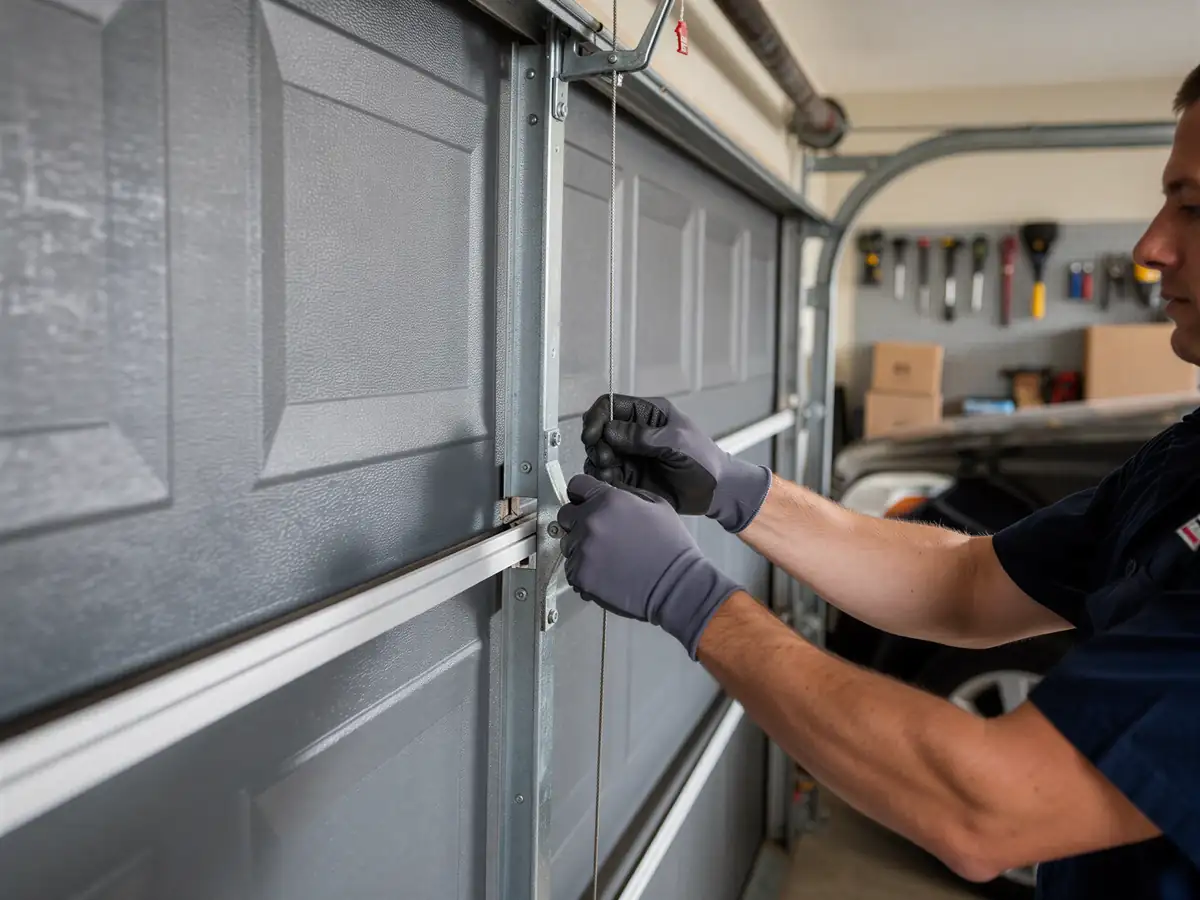
If a part needs ordering - say a specific panel to match an older run, or opener hardware that doesn't match current stock - that adds lead time we can't shorten by showing up faster. We'd rather tell you that up front than promise a same-day fix we can't back. What shouldn't wait is a spring that's already made noise or lost tension in cold weather, or a cable showing fray, because those fail without much warning. Everything else - slow openers, minor rattles, a remote that's acting up - is usually fine to schedule around your week instead of ours.