How Long It Takes
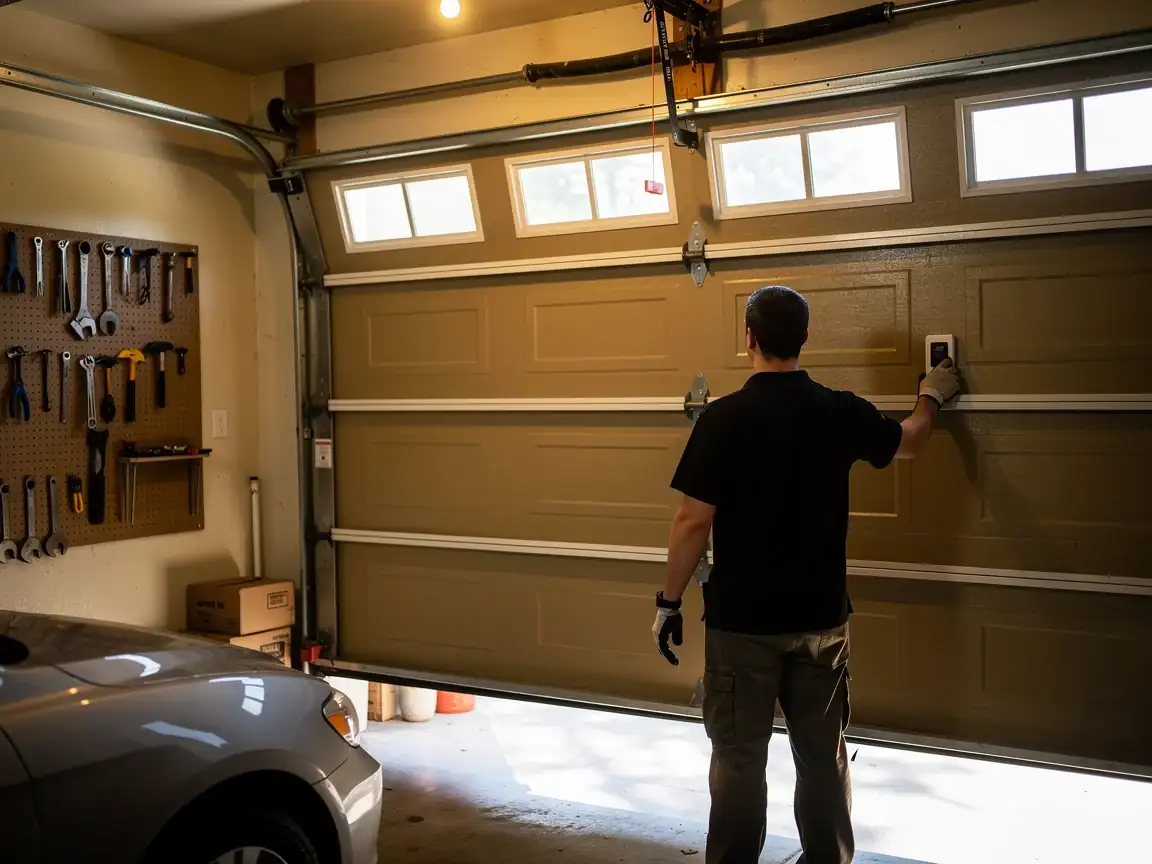
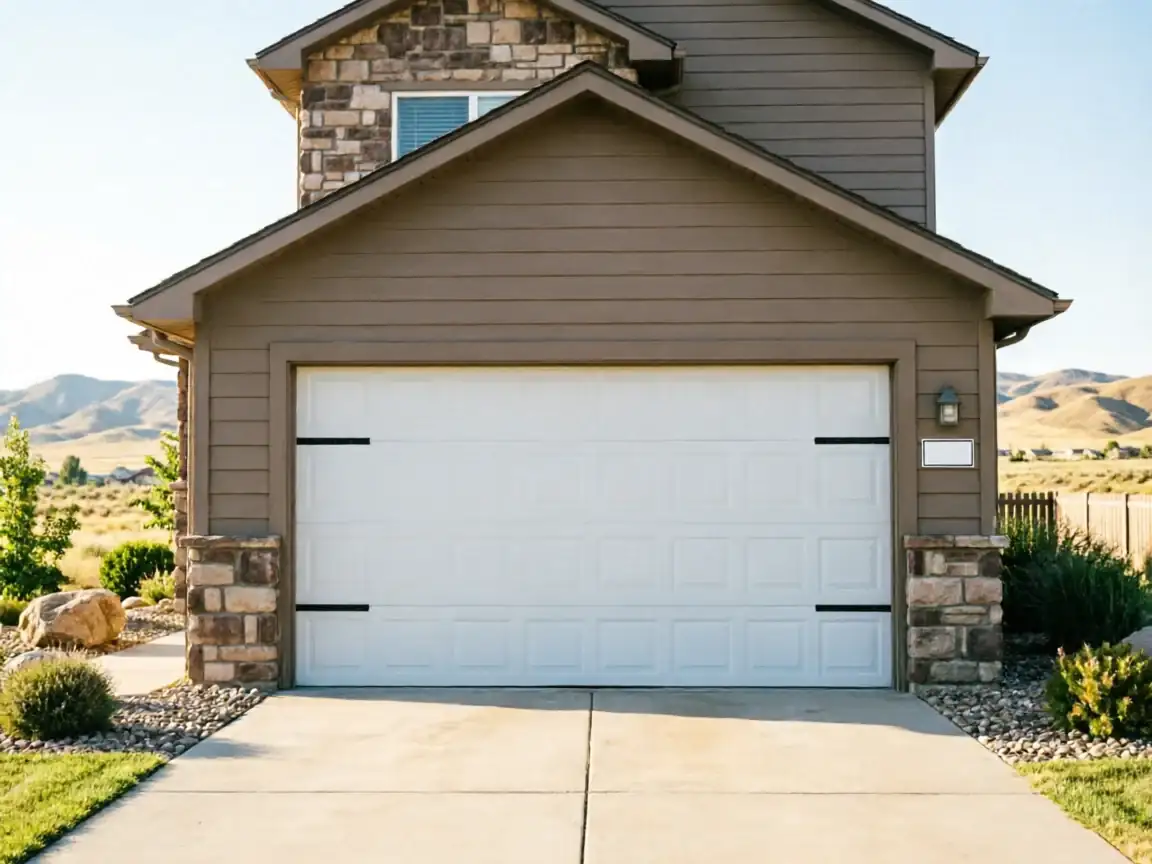
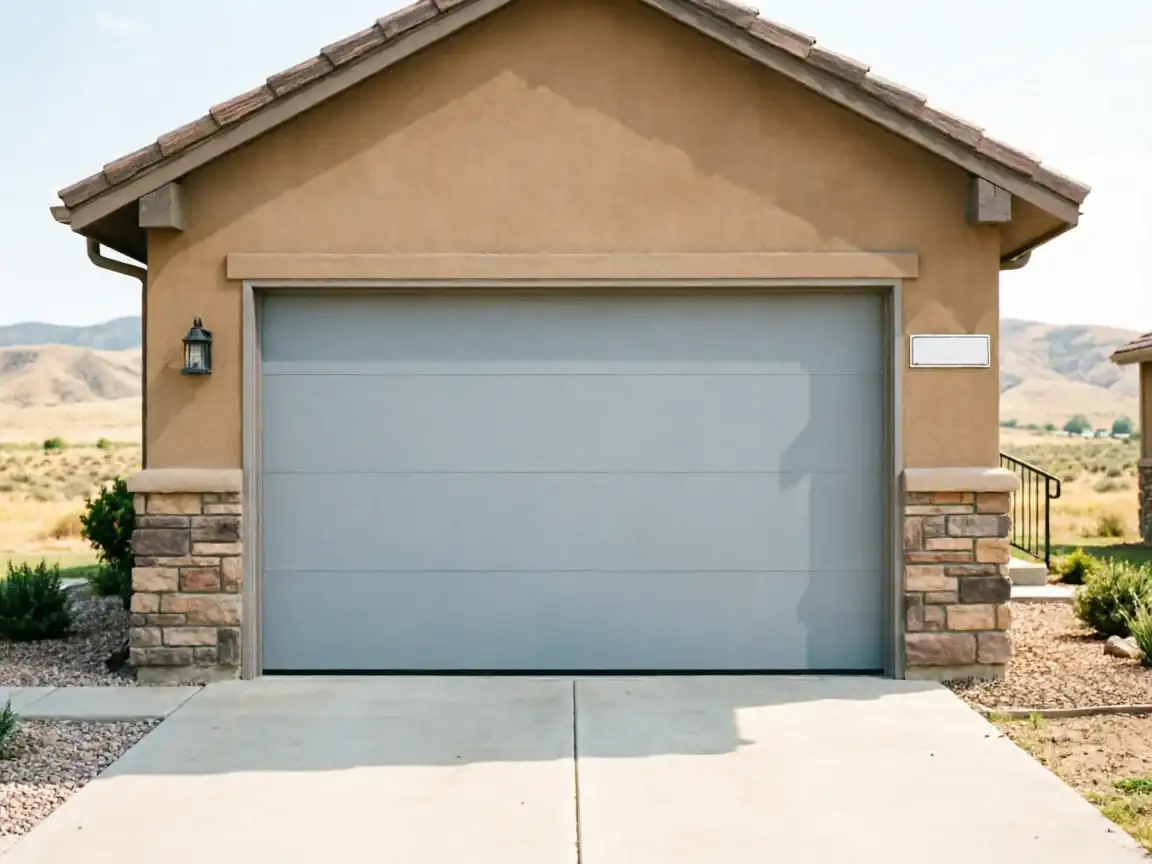
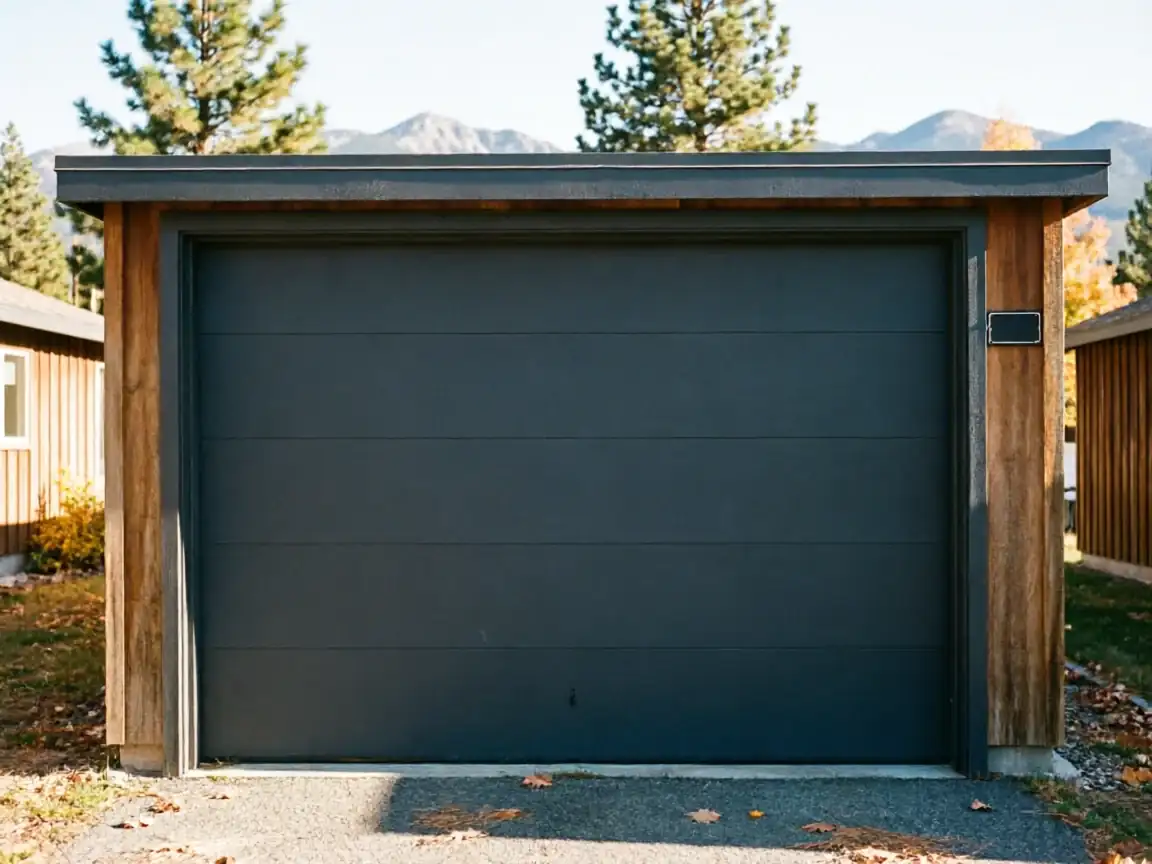
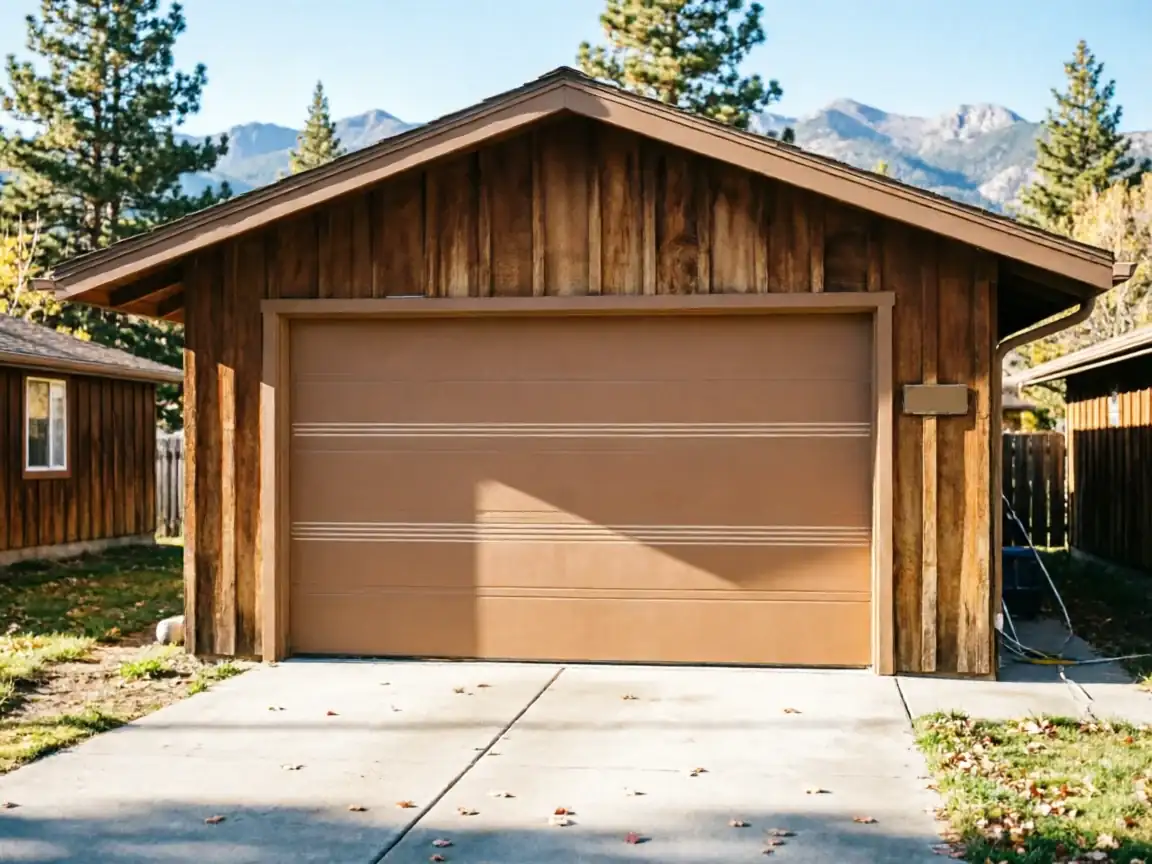
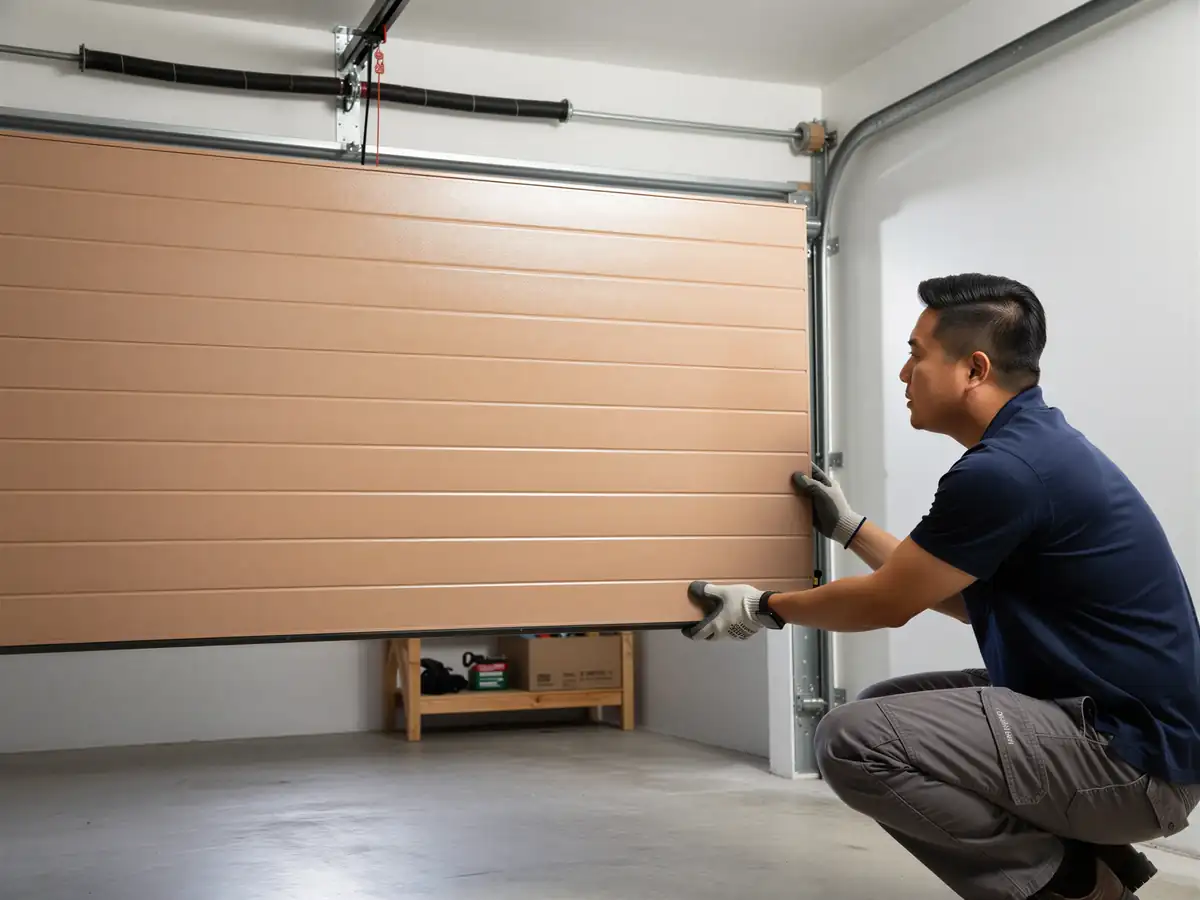
Most of the houses in Kachina Village were built around 1985, which puts them in a narrow window - garages framed to a single code era, openings sized the same way, headers built to the same rough-in. That consistency actually speeds things up: once we've measured one door on a street like this, we usually know what we're dealing with on the next. A straight swap, same size opening, non-insulated to insulated steel door, typically runs a day once the door itself is on hand. What stretches the timeline isn't the install - it's the order. Custom widths, odd-height openings from a remodel, or a color outside stock all add lead time on the manufacturer side, and that's outside our control. We won't promise a same-day turn on anything that has to be special-ordered, because that promise would be false the day the supplier is backed up. What we can say is that once the door arrives, the physical install on a standard 1980s-era opening in this area is a one-visit job, not a two-day project.
Parts We Carry
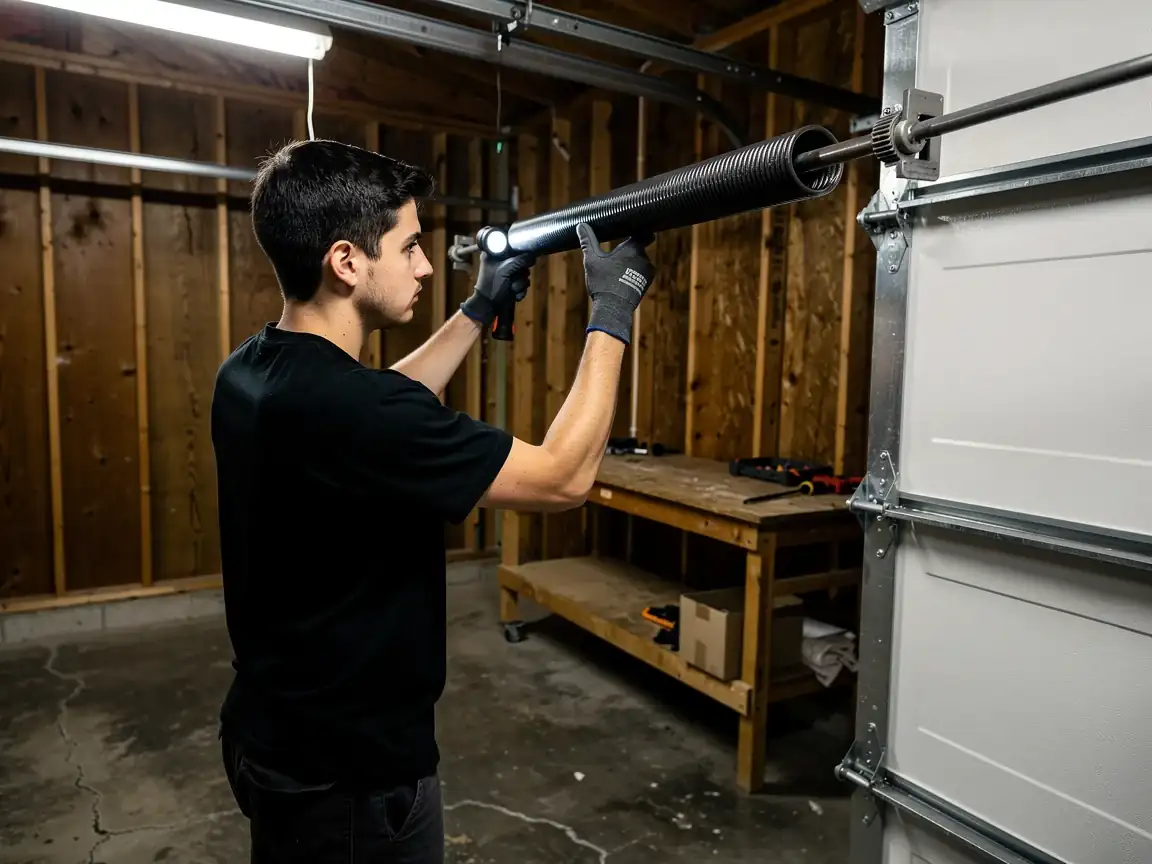
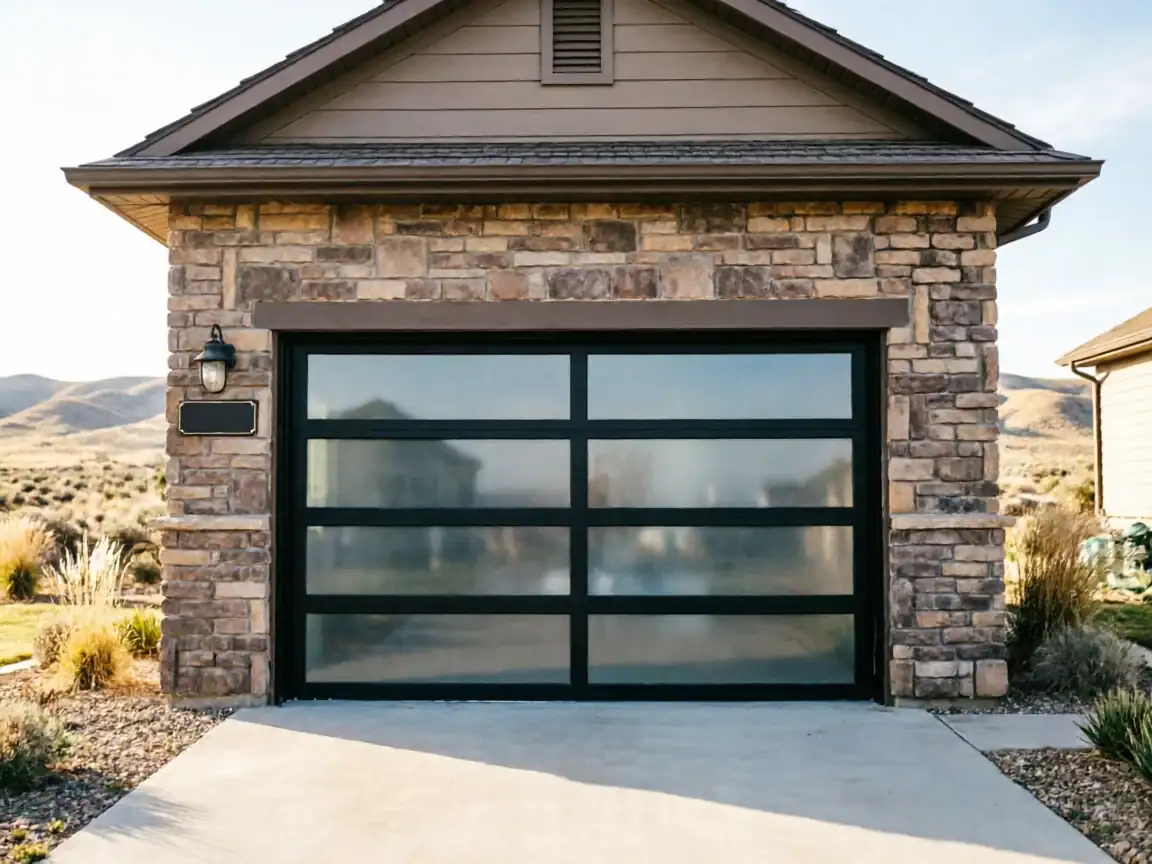
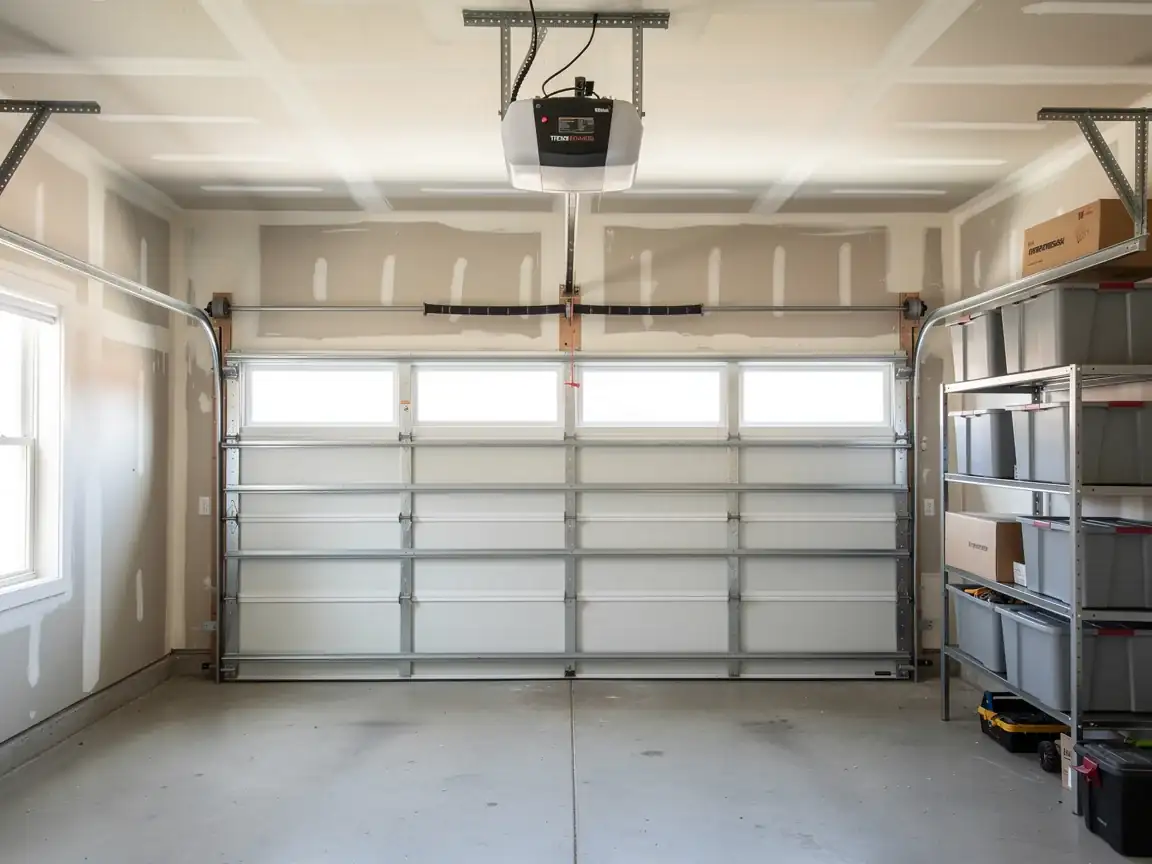
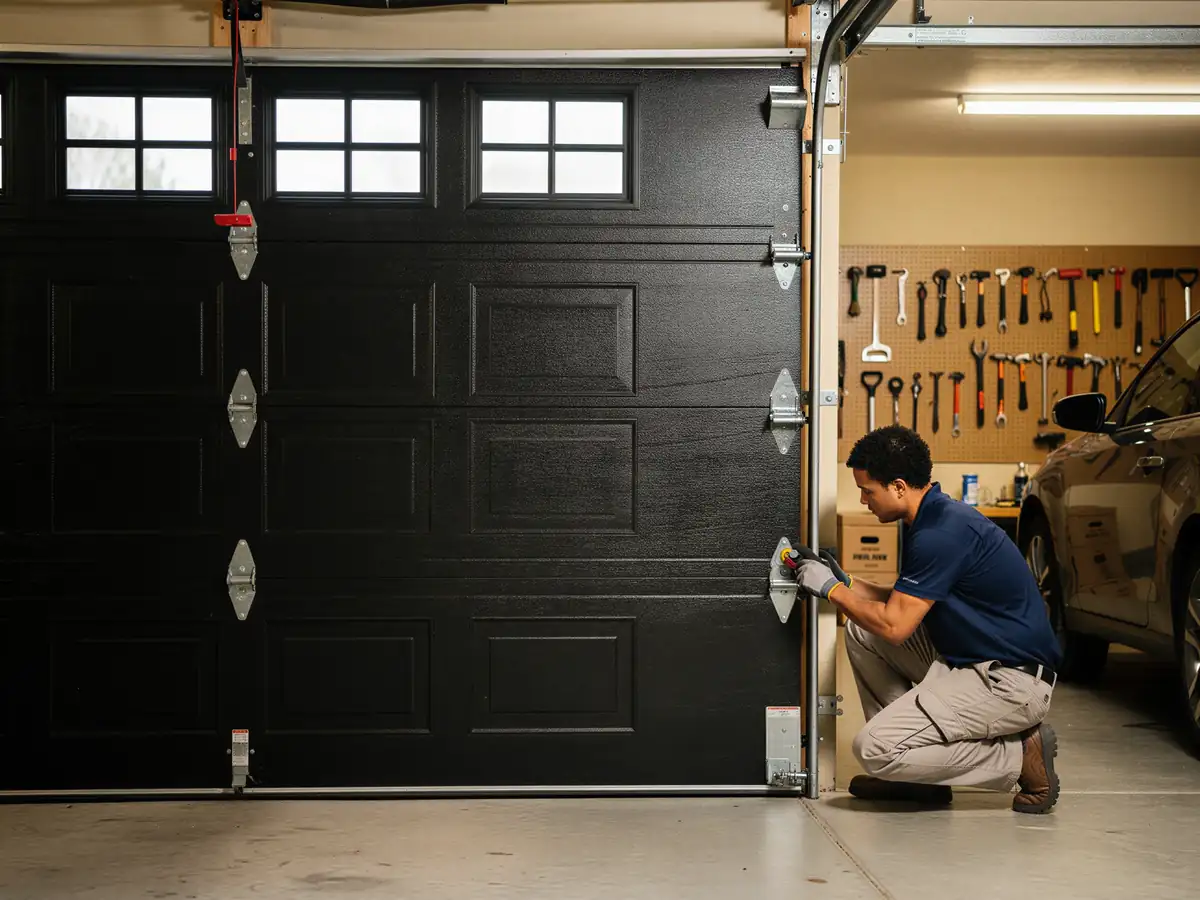
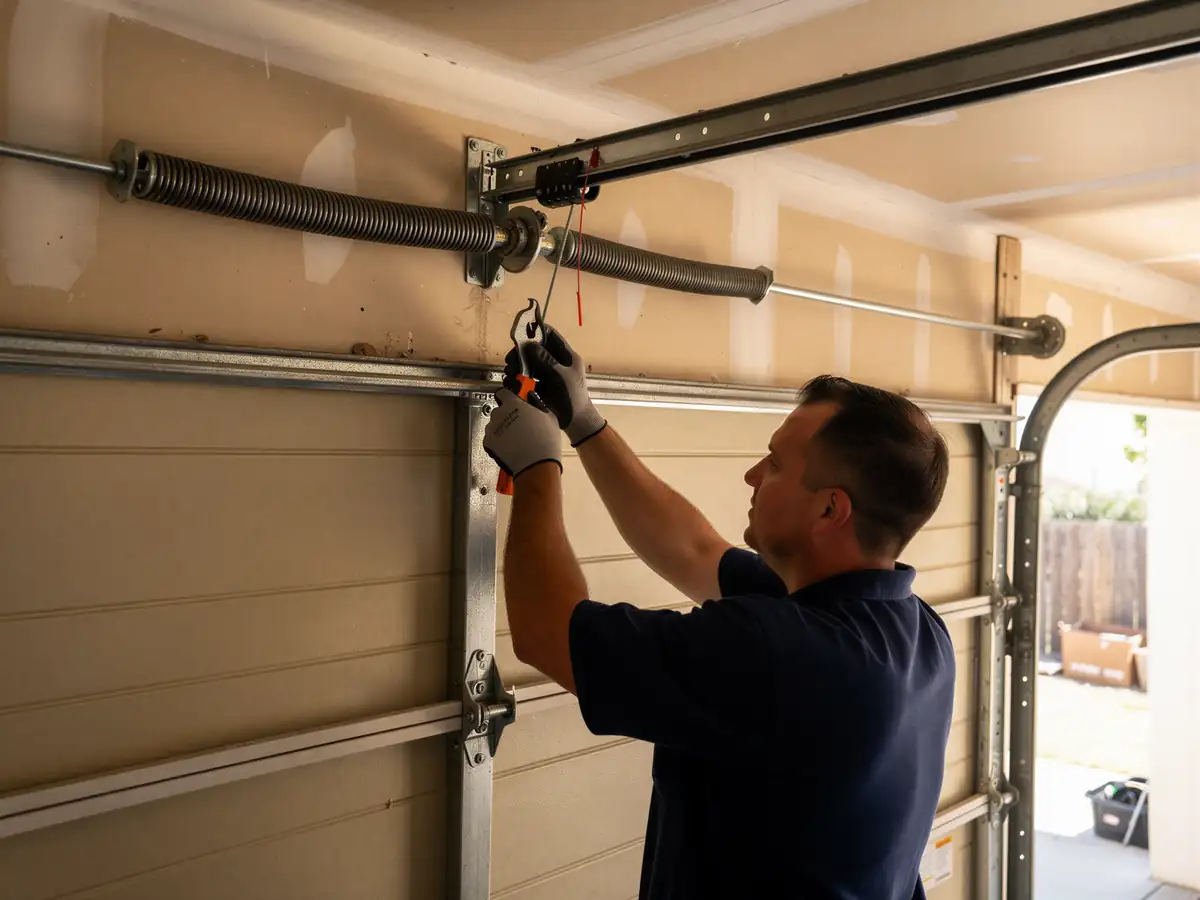
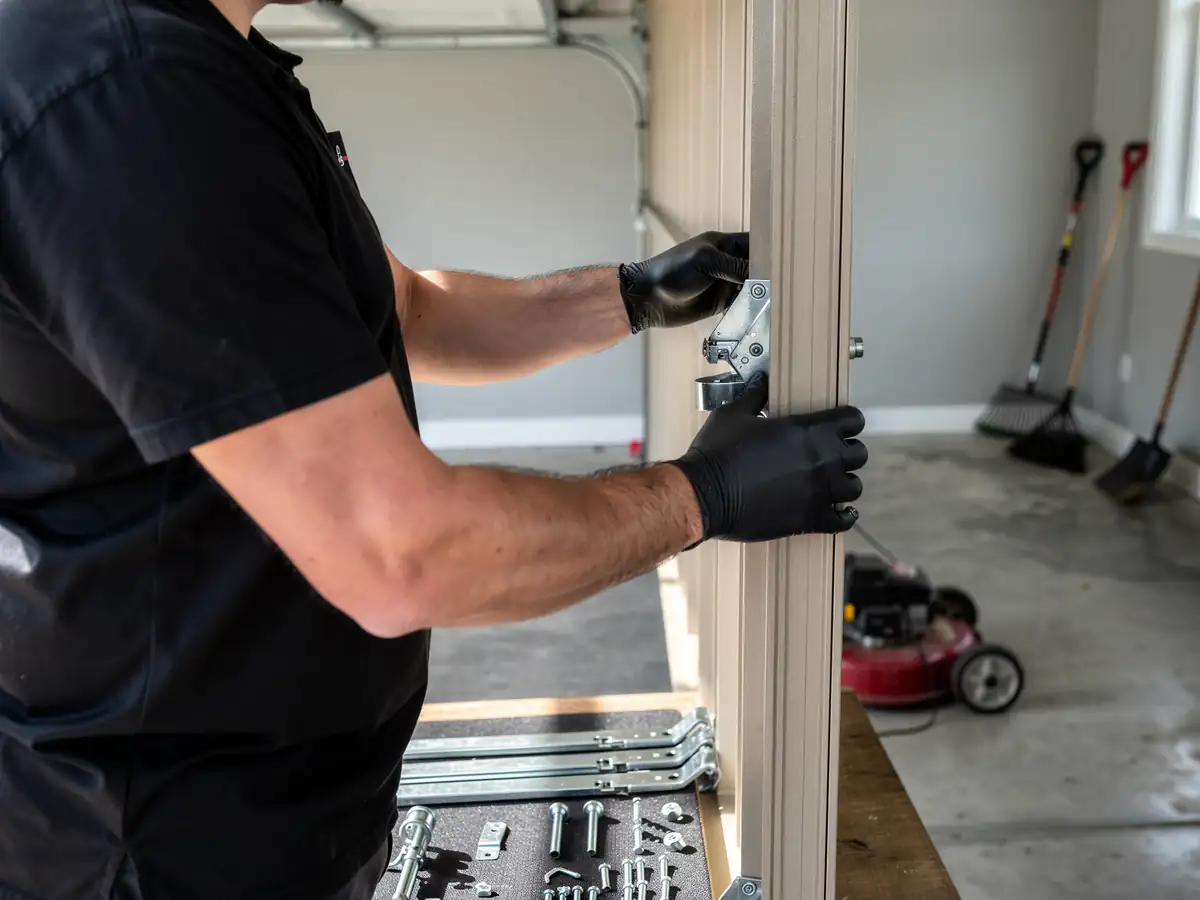
Because the housing stock through this part of the service area runs 1980s and 90s construction, the hardware sizing is consistent: standard torsion springs rated for the era's door weights, galvanized track in the common widths, and steel rollers rather than the nylon upgrades that came later. We stock the sizes that match that build window because that's what shows up on the truck most often. What we don't carry is anything custom off the shelf - a non-standard panel size, a specialty insulated door, or hardware for a garage that's been reframed outside the original opening. Those get ordered, not pulled from stock, and that's the honest limit here: if your opening was altered from the original 1985-era framing, expect an order wait rather than a same-visit swap. Winters in this part of Arizona run cold enough that insulation value matters more than it would in a milder climate, so most new installs here go in with an insulated steel door rather than the thin single-layer panel that may be original to the house. That's a recommendation based on the climate, not a requirement - a non-insulated door still works, it just runs colder on the slab side of the garage.
Why It Happens Here
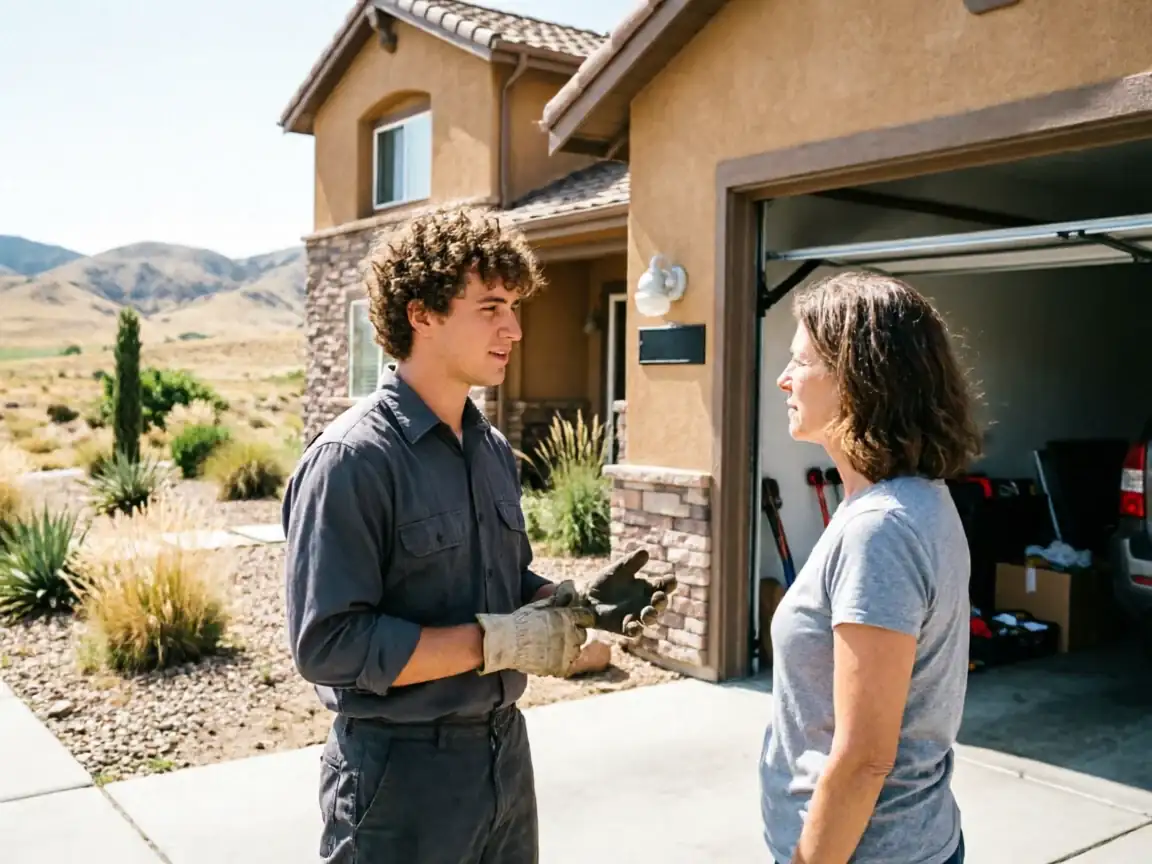
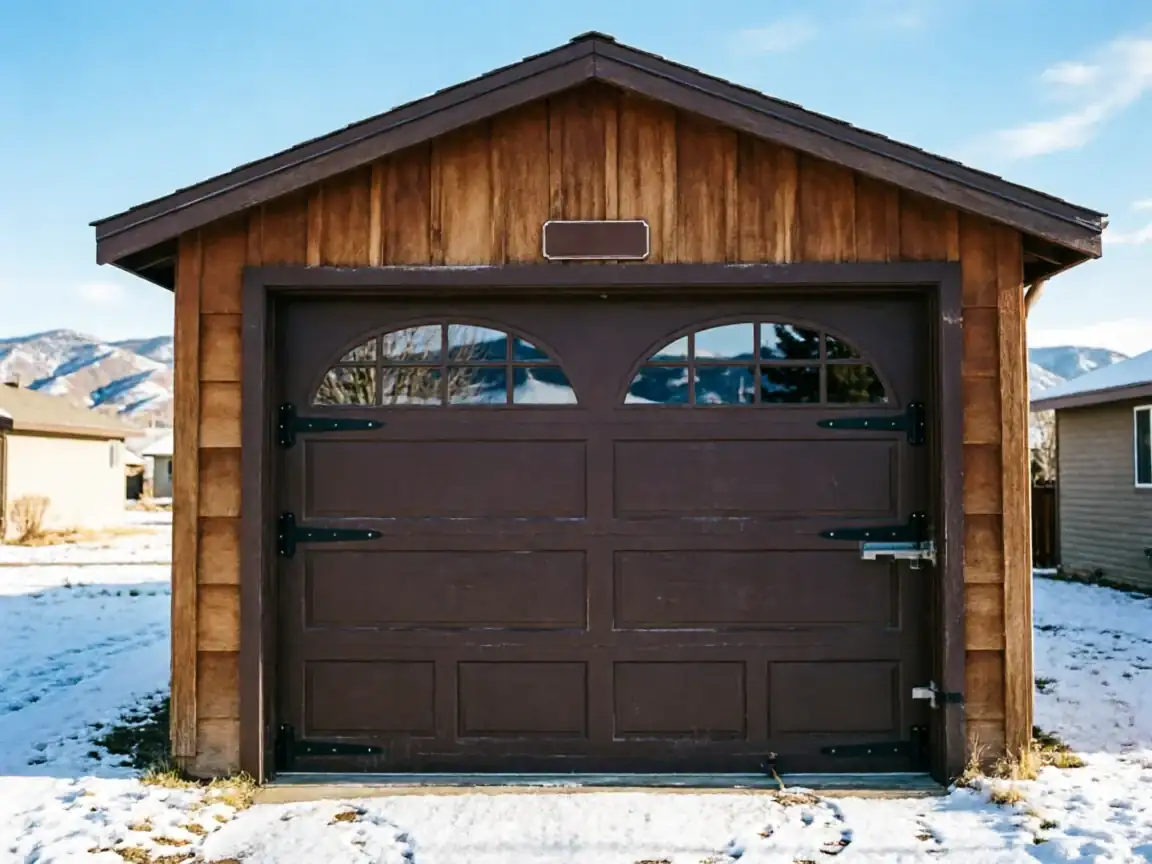
A door failure in Kachina Village usually traces back to one of two things: age or cold. The housing here dates mostly to the mid-1980s, so a lot of original hardware is now pushing forty years old - springs rated for a given cycle count don't last forever, and doors from that era often ran lighter, non-insulated panels that have taken decades of temperature swing. This area sits in a genuinely cold climate band, and repeated freeze-thaw cycling on an aging steel panel does real work on the seams and the weatherstrip channel over time. None of that is unique to one house - it's a function of when this corner of the service area was built and what the winters do to it every year. A household here earns a median of about $79,085, noticeably below the roughly $94,457 median across the wider service area, which is part of why a straight repair gets chosen over a full replacement more often out here than it might elsewhere - the math on fixing a worn spring instead of swapping the whole door pencils out differently when the budget is tighter.