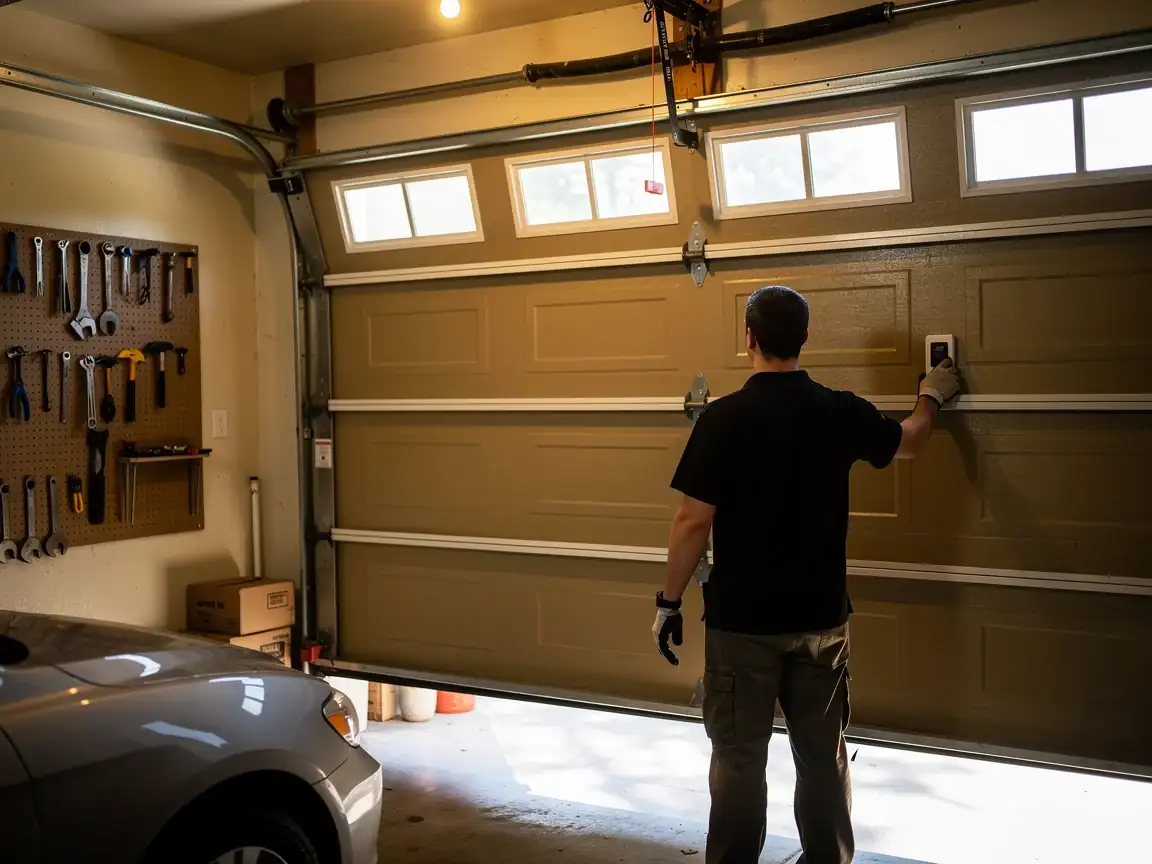
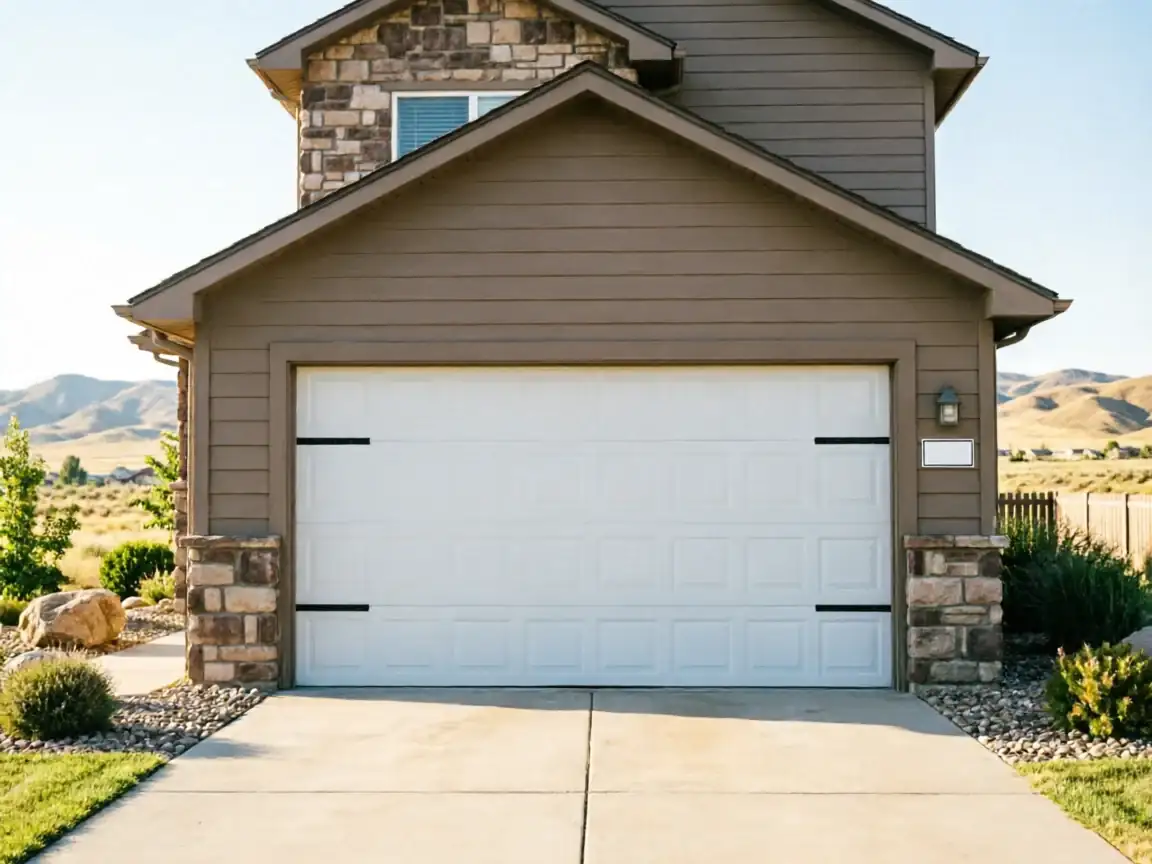
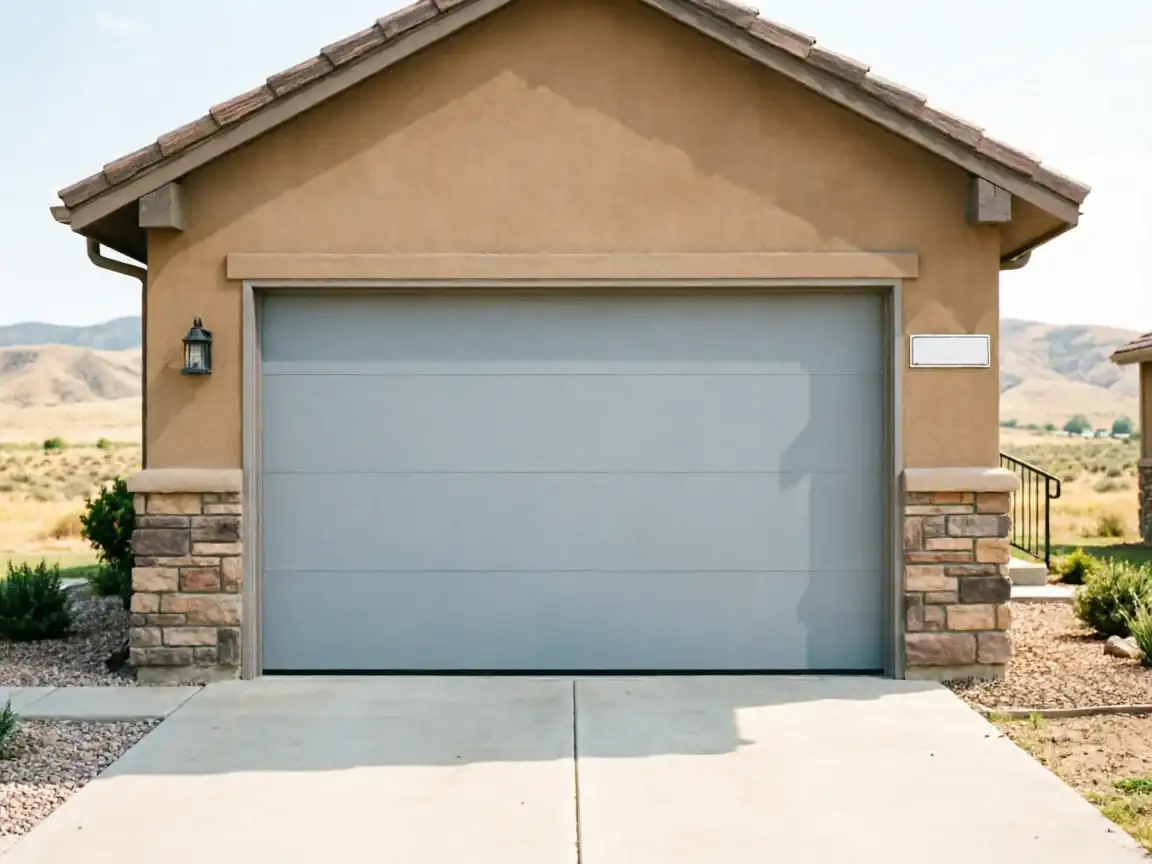
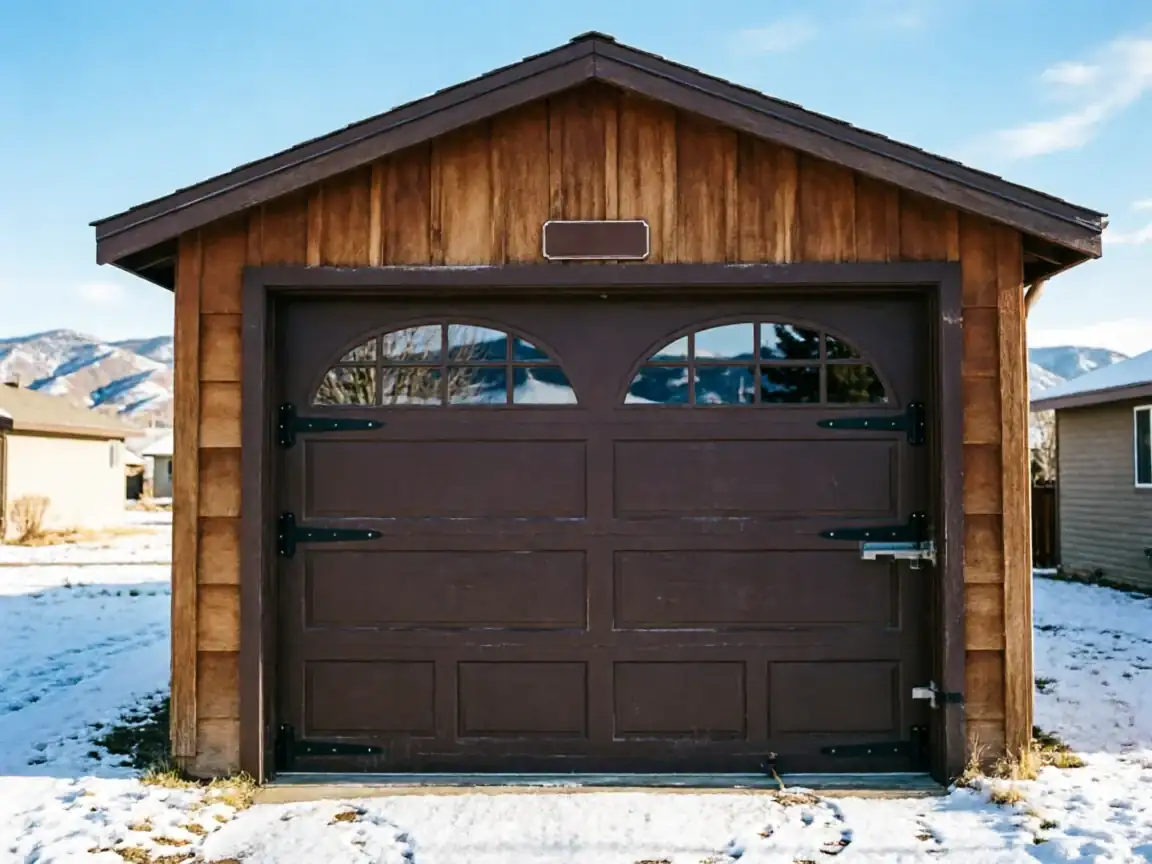
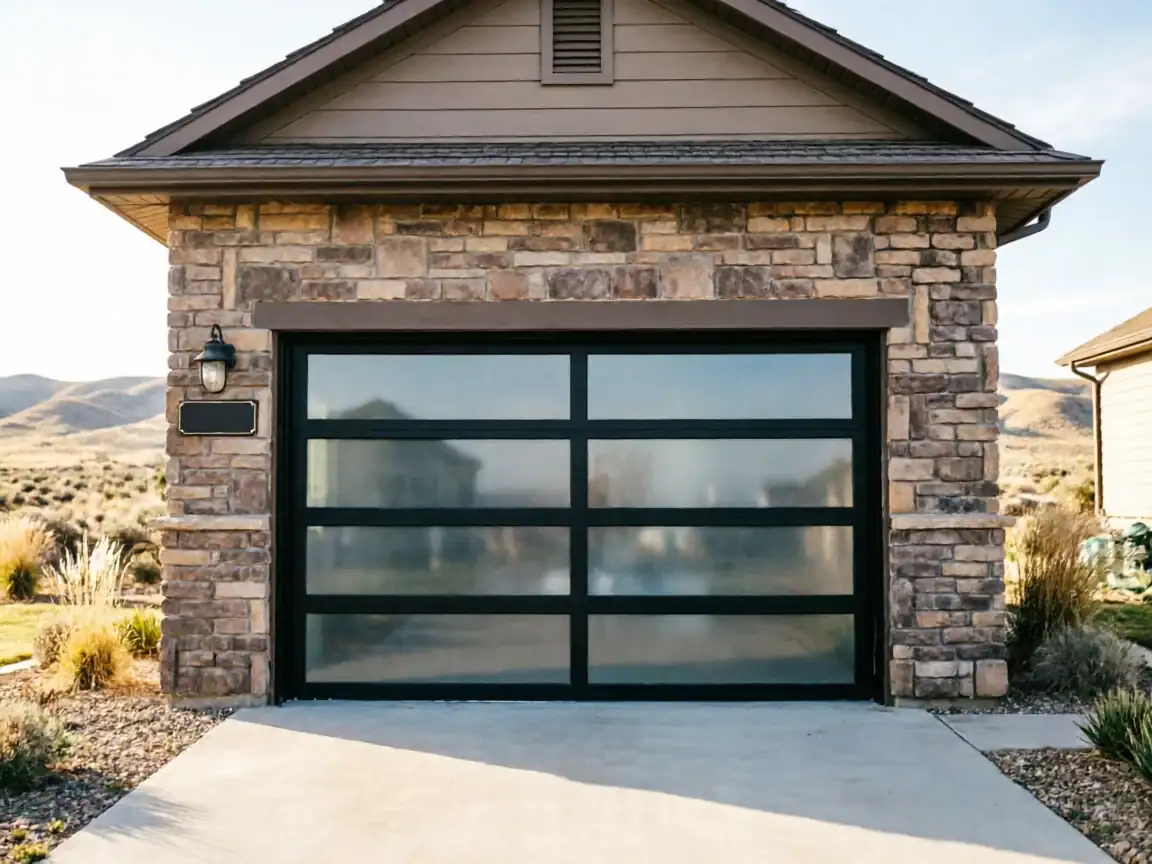
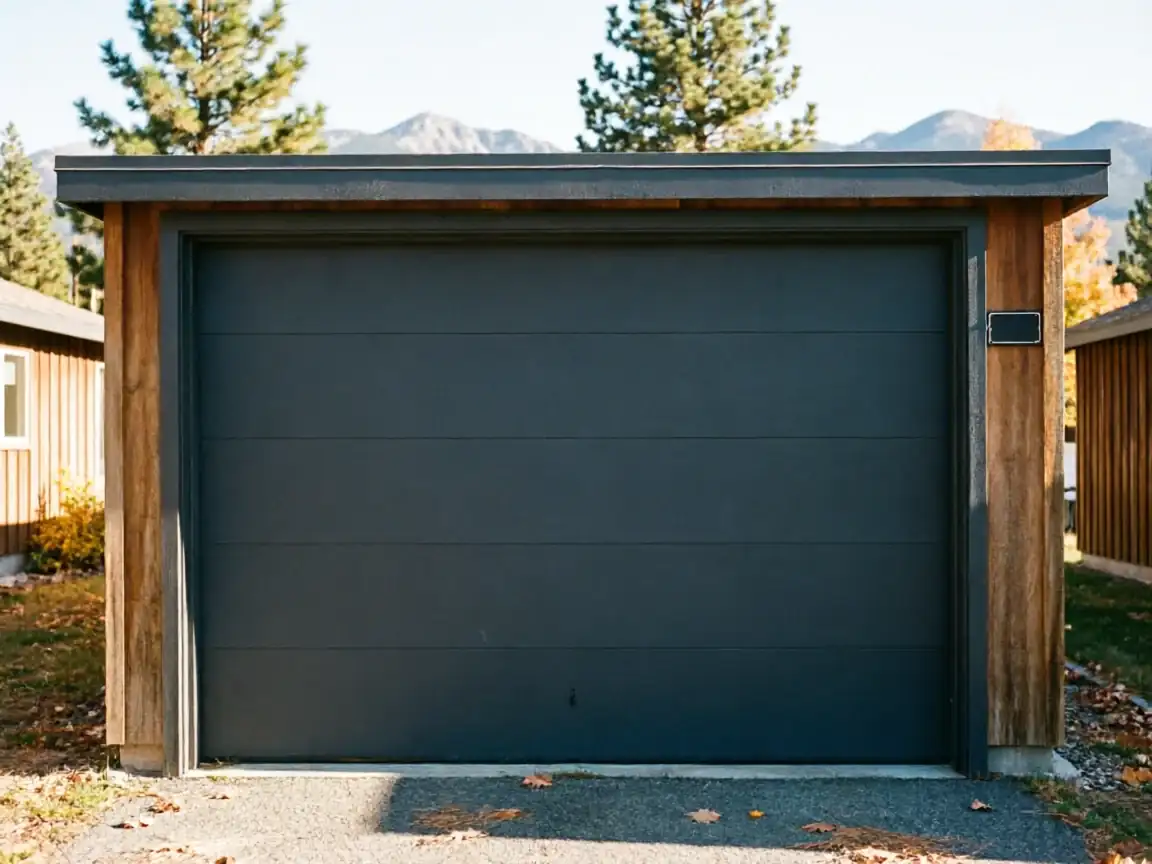
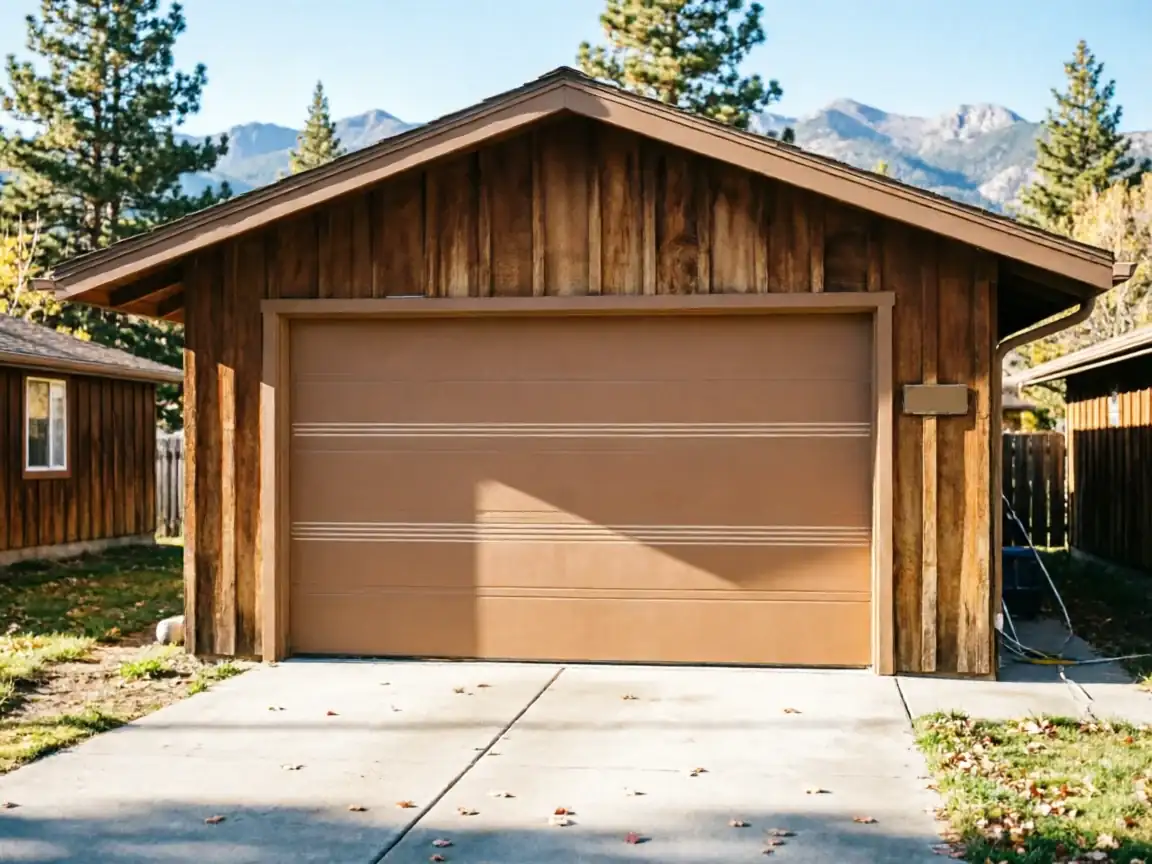
Fort Valley homes were mostly built around 1991, 12 miles from Flagstaff. See what a new garage door installation costs and takes for this era of construction
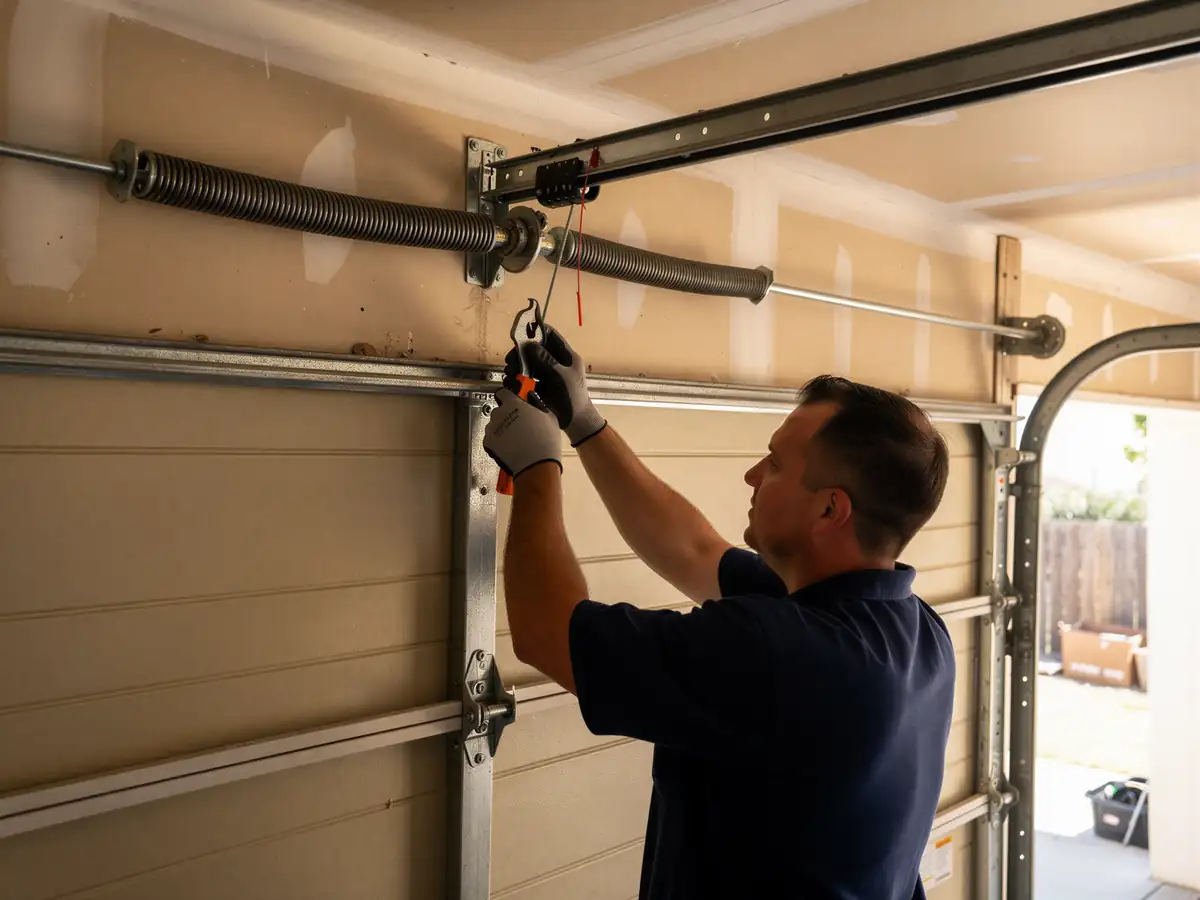
Most garages in Fort Valley went in when the houses did, around 1991. That means the spring, the track, and the opener bracket you have right now were almost certainly sized for whatever door shipped standard that year - usually a single-layer steel door with a torsion spring rated for that weight, nothing more. When we quote a replacement, the first question isn't the brand of door you want, it's whether the opening and the header framing behind it still match what a modern insulated door needs. Fort Valley's median household income, at $157,778, runs well above the rest of the service area we cover, and we see more requests here for heavier insulated doors and quieter belt-drive openers as a result - but income doesn't set the price, the door spec does. We can't give you a number without seeing the opening, the headroom, and whatever's been patched over the years. What we can tell you up front: if your spring is still the original 1991 unit, plan on replacing it with the new door rather than trying to reuse it. Reusing an old spring on a new door is a false economy and we won't sell you that job.
What You Are Seeing
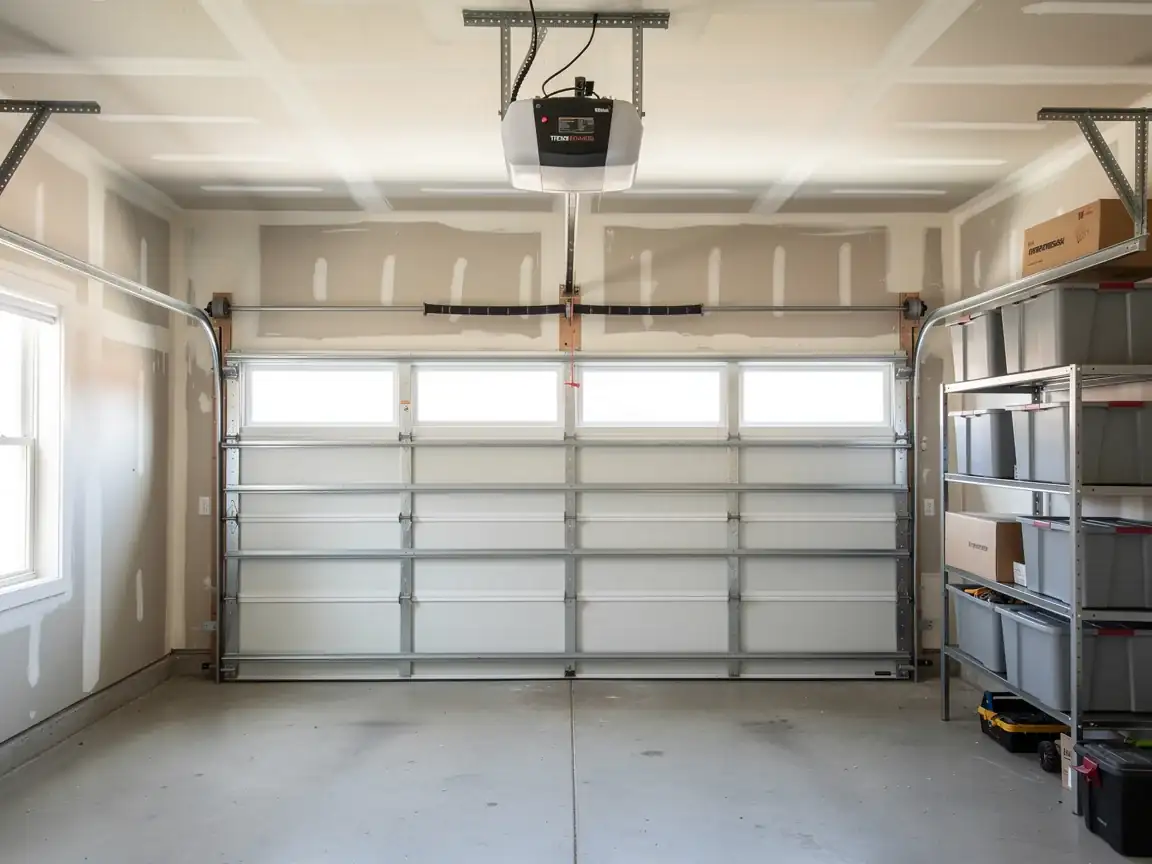
A door that's hard to lift by hand, an opener that strains or reverses halfway up, rollers that grind in the track - on a house built around 1991, that's original hardware finally giving out, not a new problem. Across the broader area we cover, most of the housing stock dates to the 1980s and 90s in four named pockets, and Fort Valley sits right at the tail end of that run. Thirty-plus years of cold-climate cycling is hard on galvanized torsion springs and chain-drive openers built to that era's standard; the metal fatigues, the lubricant dries, and the safety reversal systems in openers from that period don't meet current cold-weather testing anyway. If your door still has a chain-drive opener with a wired wall button and no battery backup, that's a 1990s-era unit doing a job it was never built to do for this long. None of that means the door is unsafe today, but it does mean the parts inside it are past the point where a repair buys you more than a year or two.
How Long It Takes
We run the job out of Flagstaff, and Fort Valley sits about 12 miles out, farther than Mountainaire at 6 miles or Kachina Village at 8. That distance doesn't change how long the install itself takes, but it does mean we schedule the trip as one block rather than splitting it into a morning measure and an afternoon install. Most single-door replacements on a straightforward 1991-era opening run one visit from first screw to final balance check. Double doors, or anything where the old header framing needs reinforcing to carry a heavier insulated panel, can run longer - we'll tell you that during the measure, not after we've started. Ordering a specific panel style or window pattern can add lead time before the crew ever shows up; that part is on the manufacturer, not on us, and we're not going to promise a date we don't control.
Can You Do This Yourself
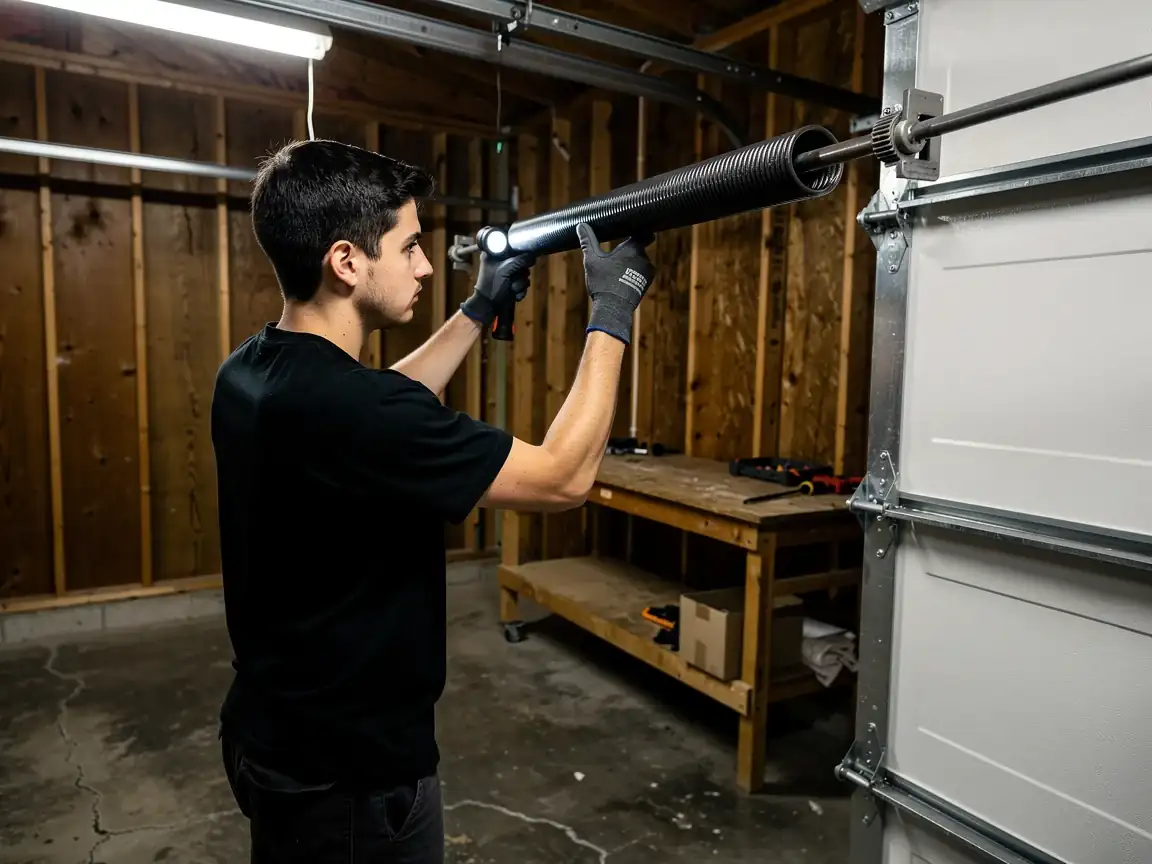
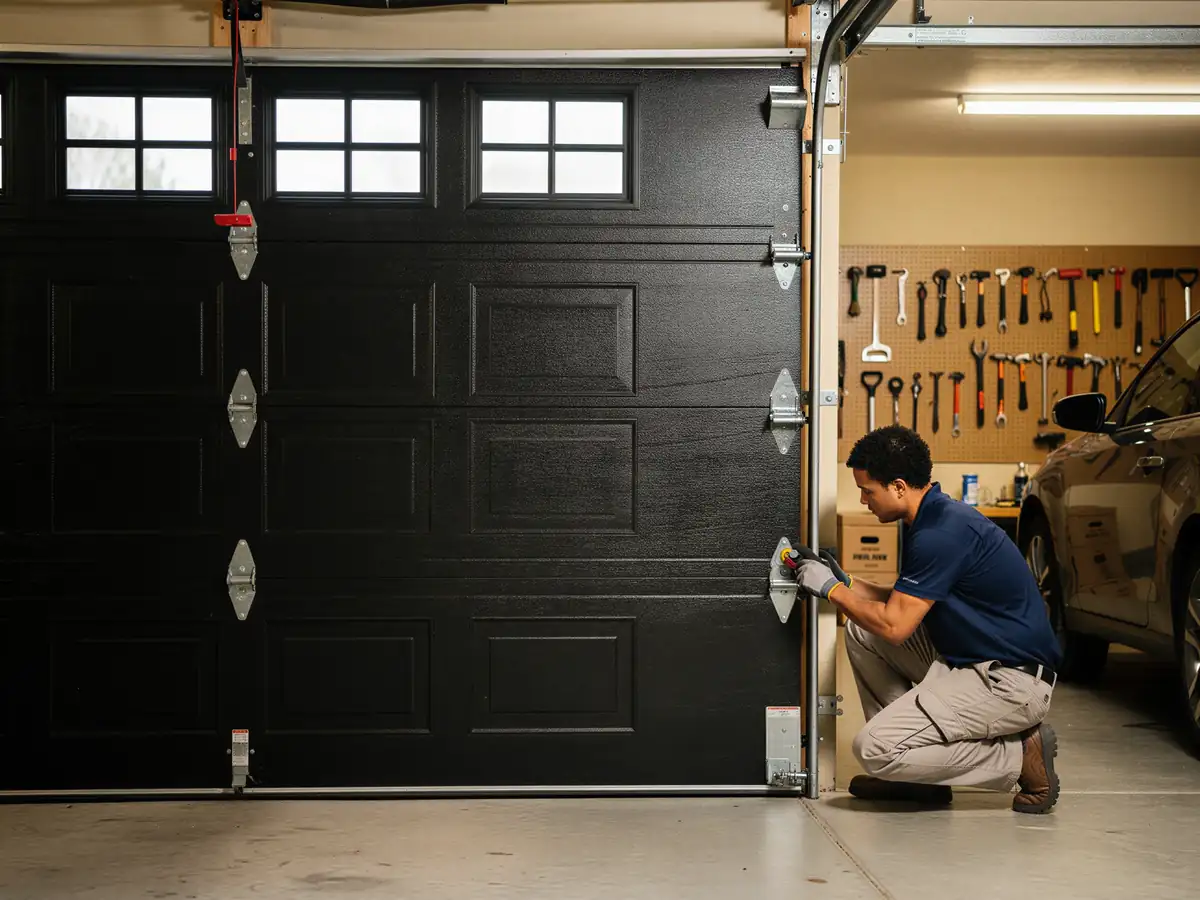
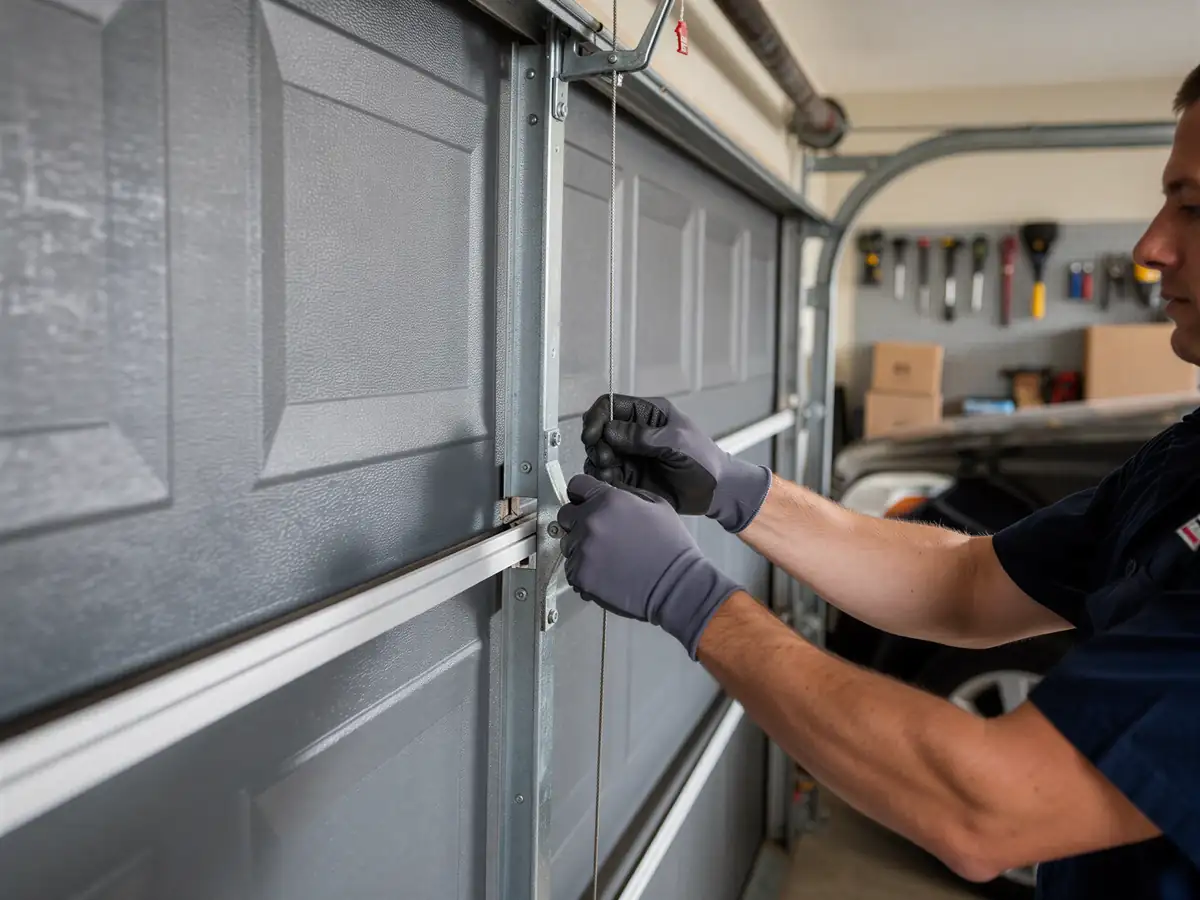
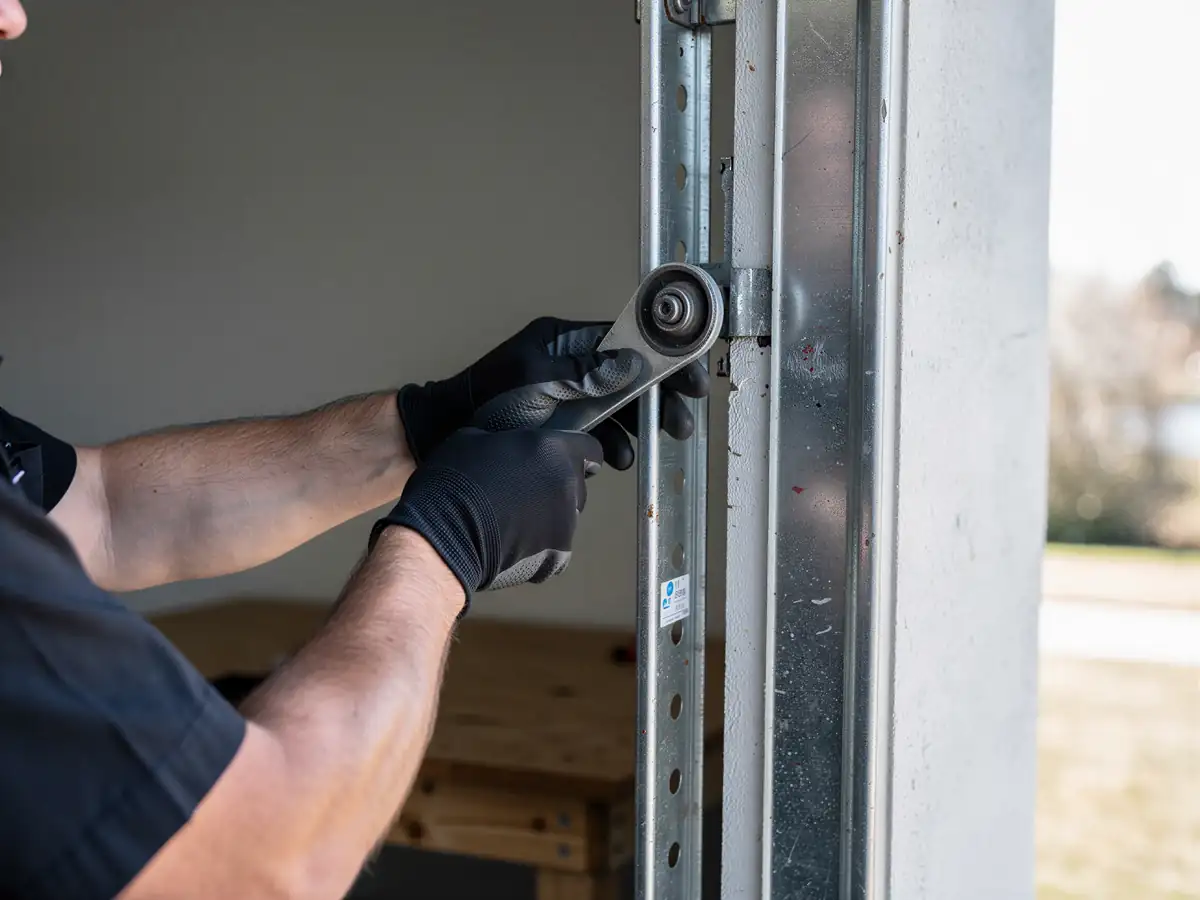
Swapping panels is manageable for a handy owner. Setting a new torsion spring on a door built to 1991-era opening dimensions is not a weekend project - the spring is wound under enough tension to break bones or worse if it slips off a winding bar, and the bars and clamps aren't something most households own. We also see older Fort Valley openings where the framing has shifted slightly over three decades, which throws off the plumb of a new door frame in ways that aren't obvious until the door won't seal at the bottom. If you want to handle the parts that don't involve spring tension - weatherstripping, hardware tightening, lubricating rollers - that's reasonable. The spring, the cable, and the final balance adjustment on a new door are where we'd tell you to call it in. That's not us protecting the job; it's the part of this work that actually hurts people.
How it works
From “it’s stuck” to “it’s fixed”
01
Tell us what’s wrong
Describe the symptom - won’t open, loud bang, opener runs but the door won’t move.
02
On-site diagnosis
A technician tests the door under power and by hand and finds what actually failed.
03
Clear, up-front plan
You get the fix that’s needed and what drives the cost - before any work starts.
04
Repaired & tested
The repair is done, the door is set true and tested, and the work area left clean.
Next step
Not sure which repair your door needs in Flagstaff, AZ? Describe what it’s doing - every job starts with a diagnosis.
Is Fort Valley's housing stock the same age as the rest of the Flagstaff area you cover?
Close, but not identical. Fort Valley's homes run around a 1991 median build year, a bit later than the 1985 median across the wider service area we cover, which itself spans 1980s and 90s construction across four named pockets. The practical difference is small - most of what's original in either case is springs, openers, and track from that same general era.
Do you have a shop or branch in Fort Valley?
No. We work out of Flagstaff and drive out to Fort Valley for every job, about 12 miles each way. That doesn't change the install itself, but it's why we schedule the visit as a single block rather than splitting a job across two trips.
Can I reuse my old opener with a new door?
Usually not safely. If your opener dates to the original 1991-era construction, it was built to a weight and safety-reversal standard that's older than what's sold today. Pairing a decades-old opener with a new, often heavier insulated door is a mismatch we won't install - we'll tell you straight if your opener needs to go with the door.
Ready to get your garage door sorted?
Tell us what it’s doing and where you are in Flagstaff - we’ll take it from there.