How Long It Takes
At a median household income of $94,457, most owners in Mountainaire aren't deciding whether they can afford a new panel
They're deciding whether a panel is even worth it versus a full door. That line usually falls at two damaged sections or more on a door built before 1991; past that, matching old steel costs more in search time than a new door costs in materials.
- $94,457 median household income
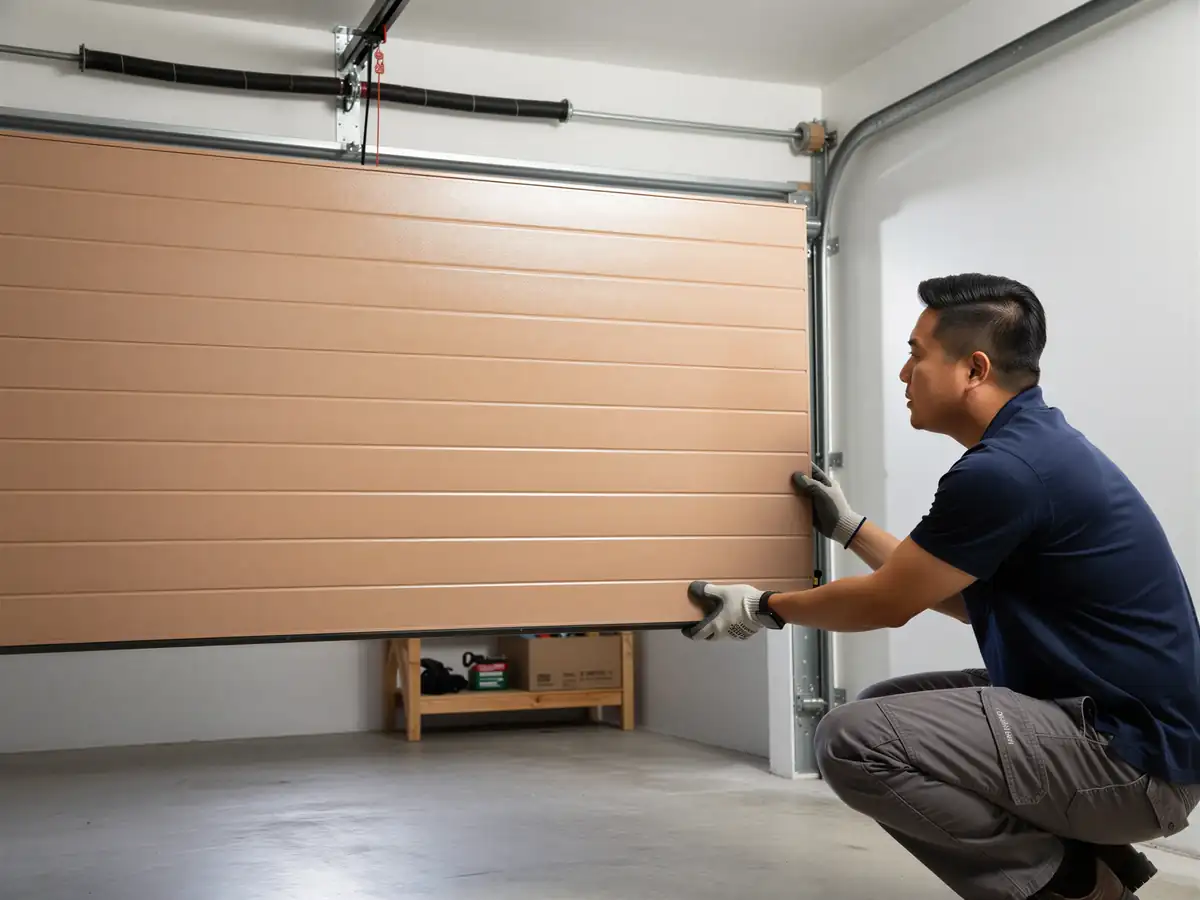
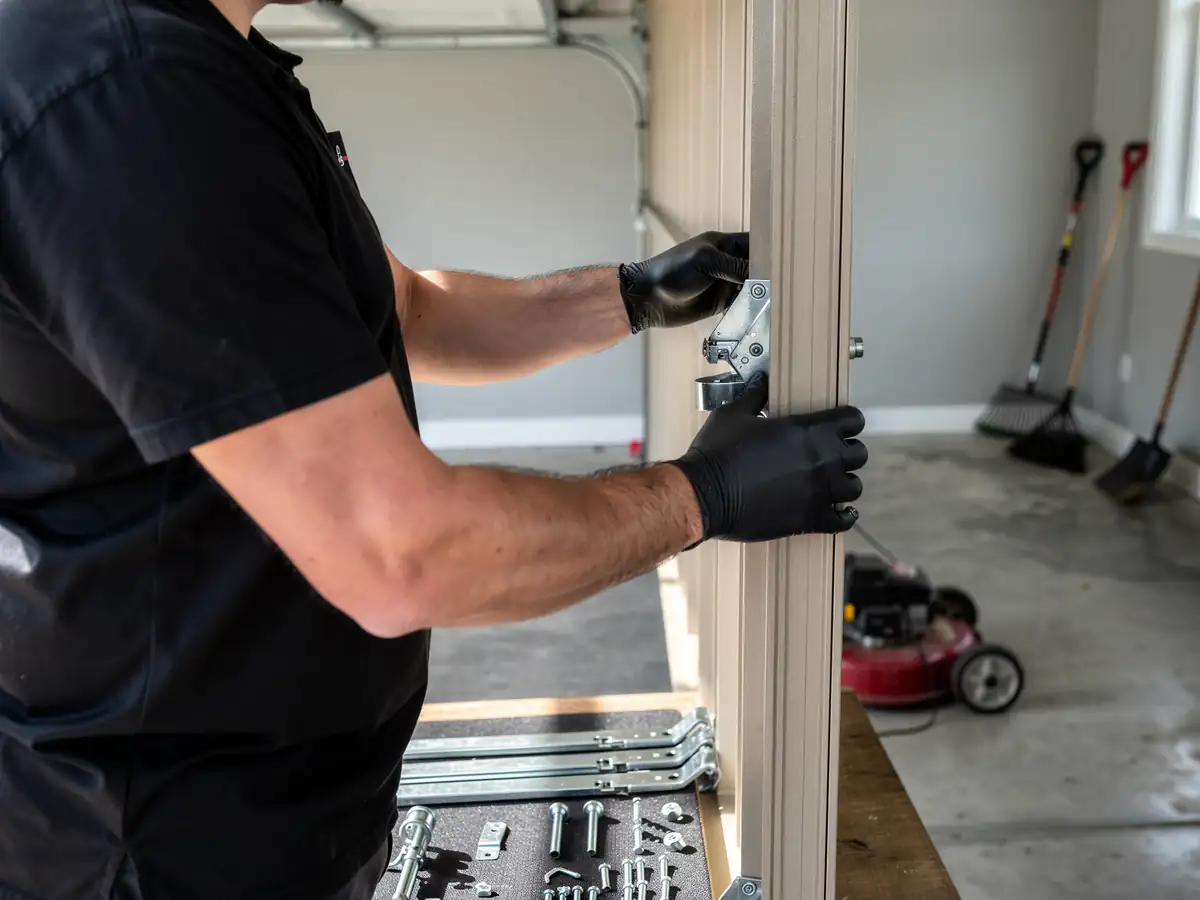
A single-section swap on a door that's still in decent shape is usually a half-day job once we're on site
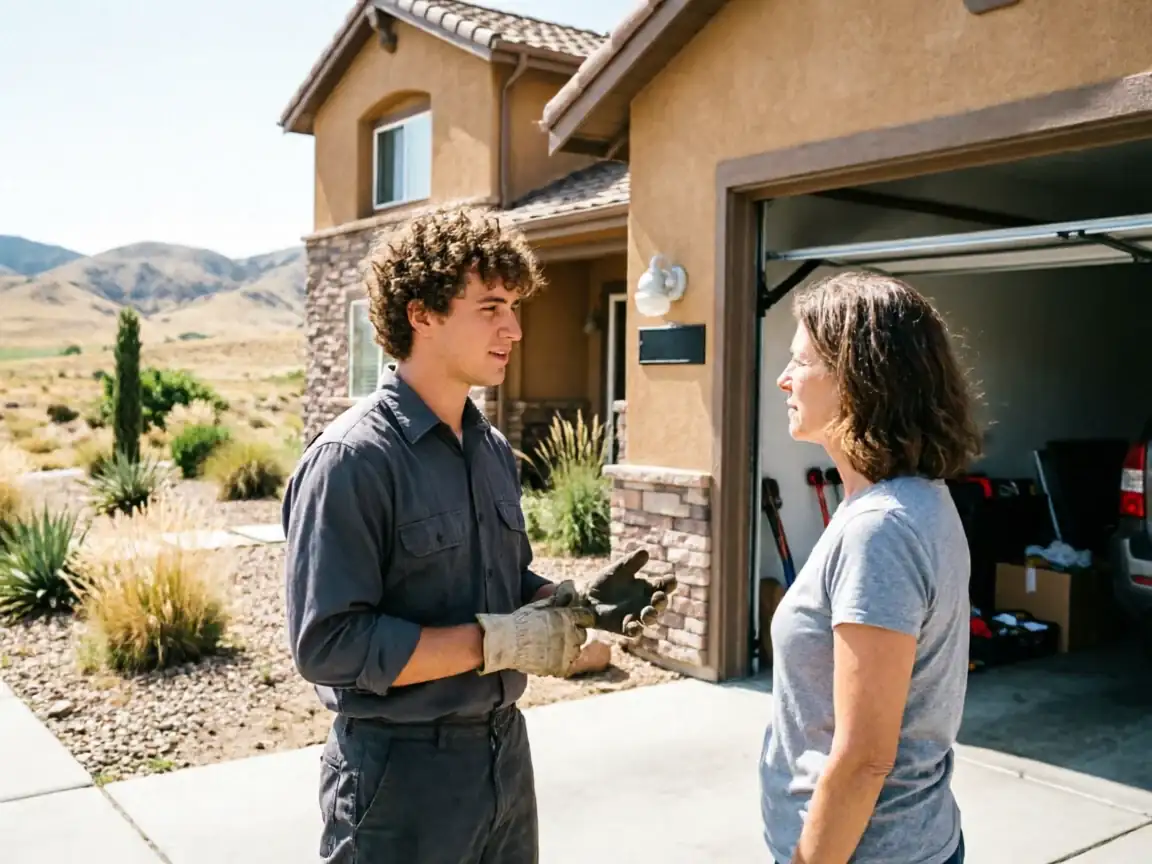
Counting the drive out from Flagstaff. The 6-mile run isn't the bottleneck - sourcing the right panel is. Doors from the 1985-1991 wave came in profile widths and rib patterns that newer stock doesn't match exactly, so if we don't have a compatible section on the truck, we're ordering one before we can finish the job. We'll tell you up front if that's the case rather than force a mismatched panel onto your door.
Can You Do This Yourself
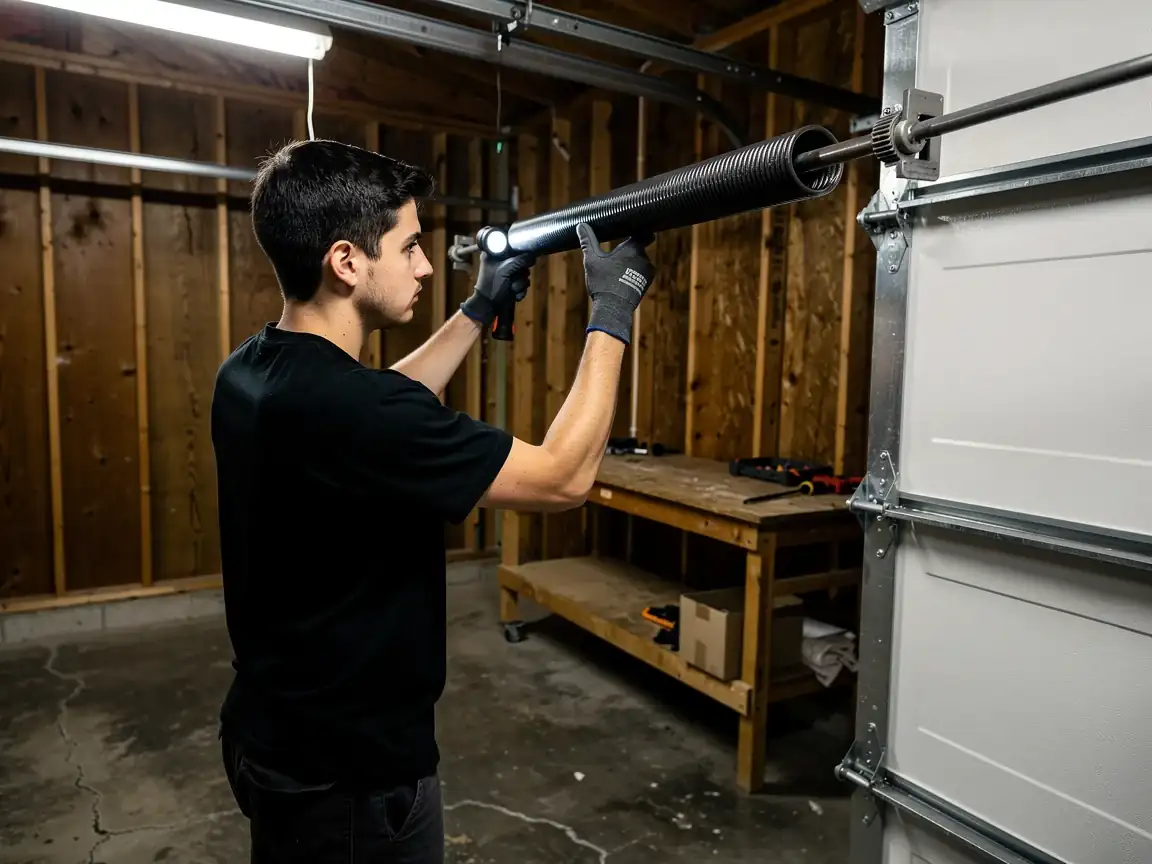
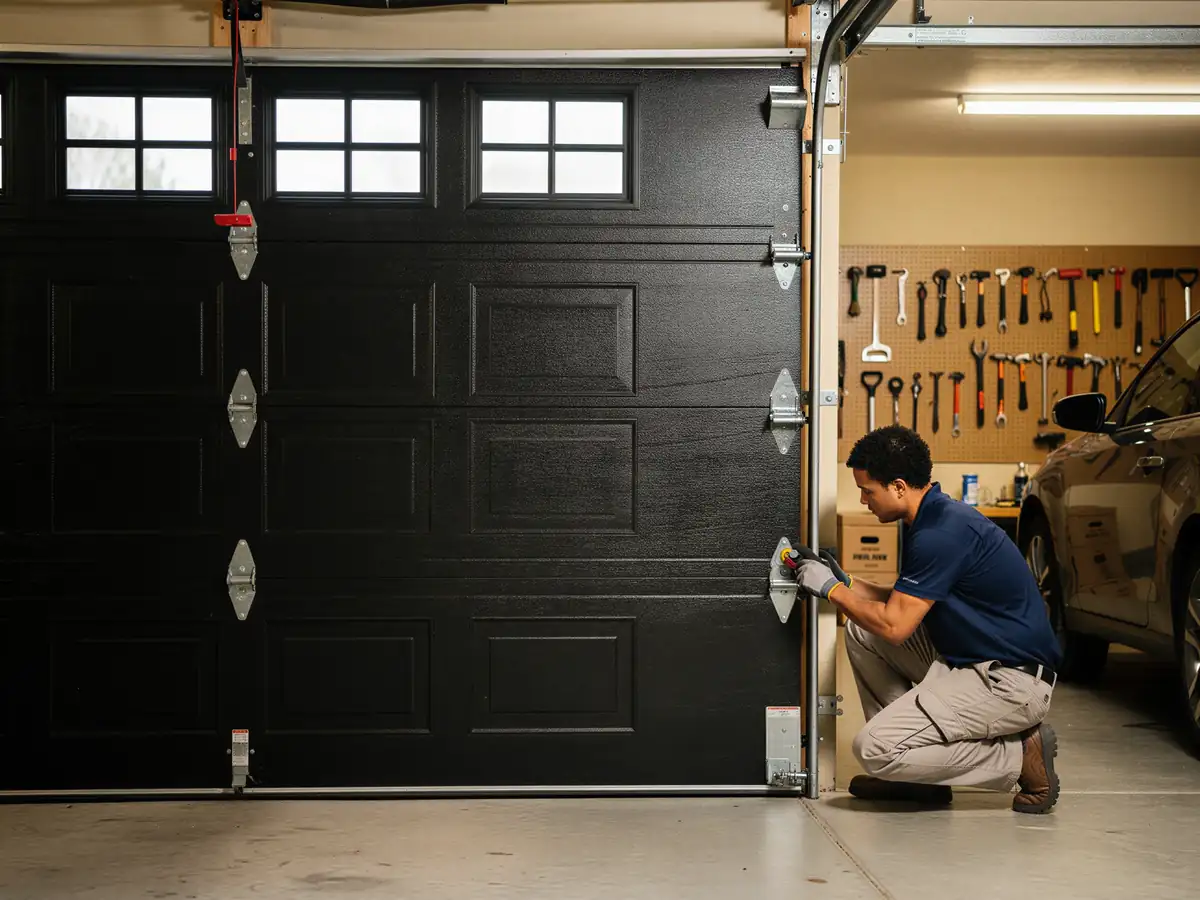
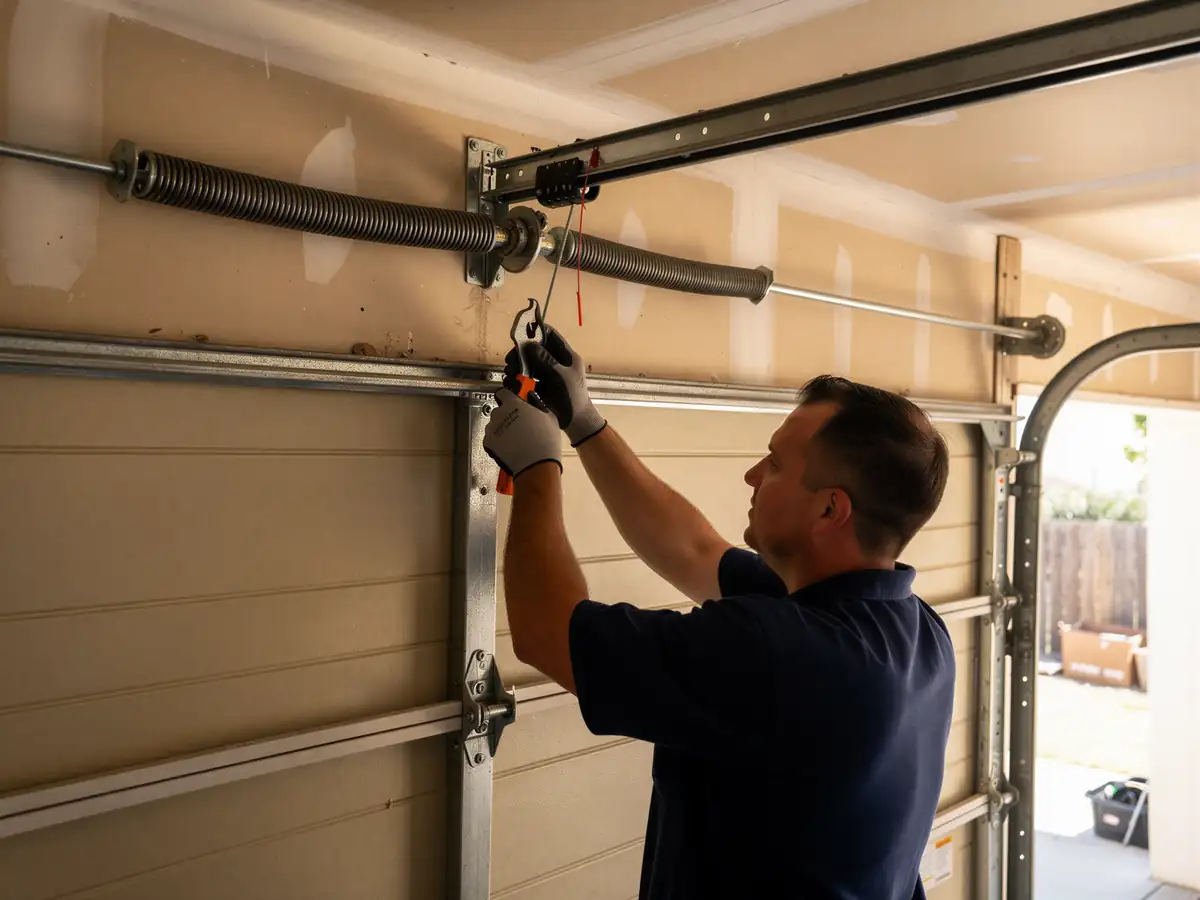
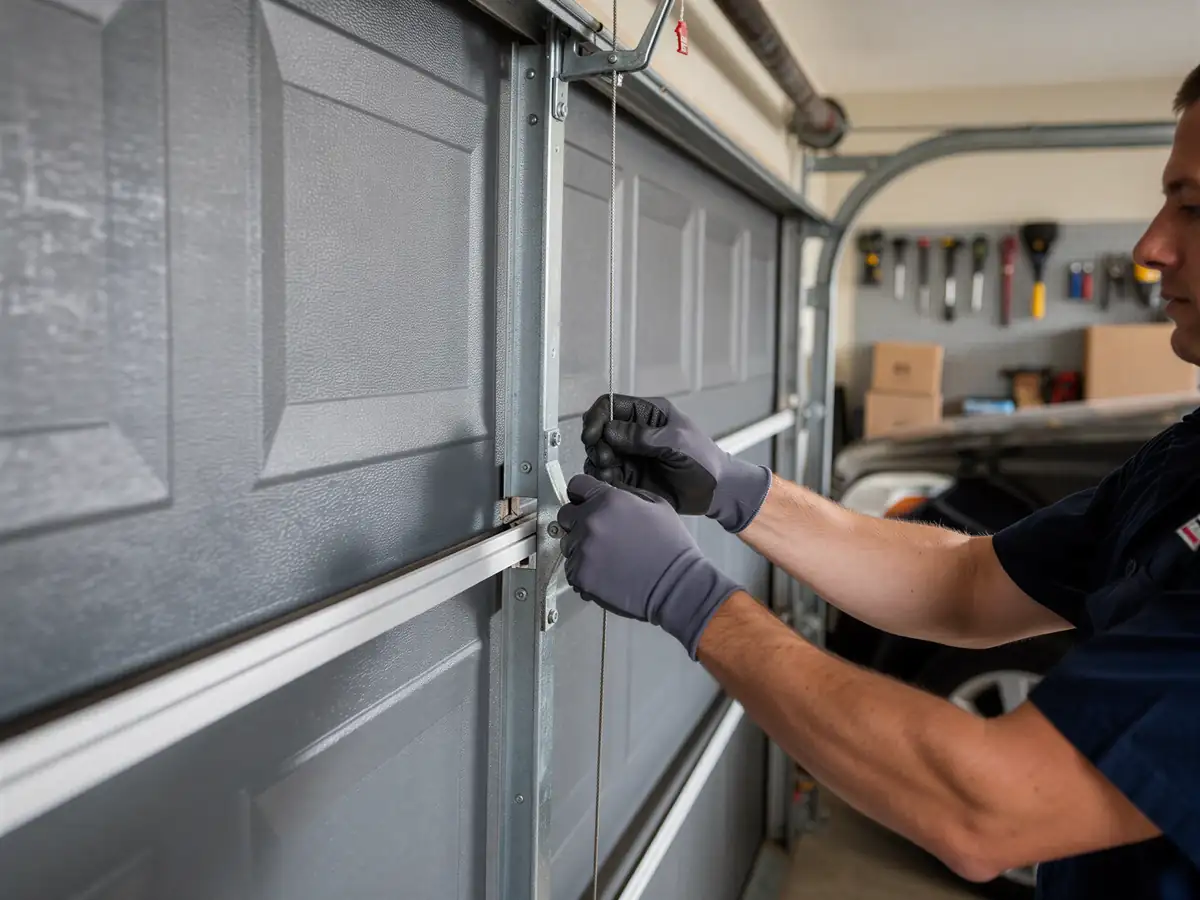
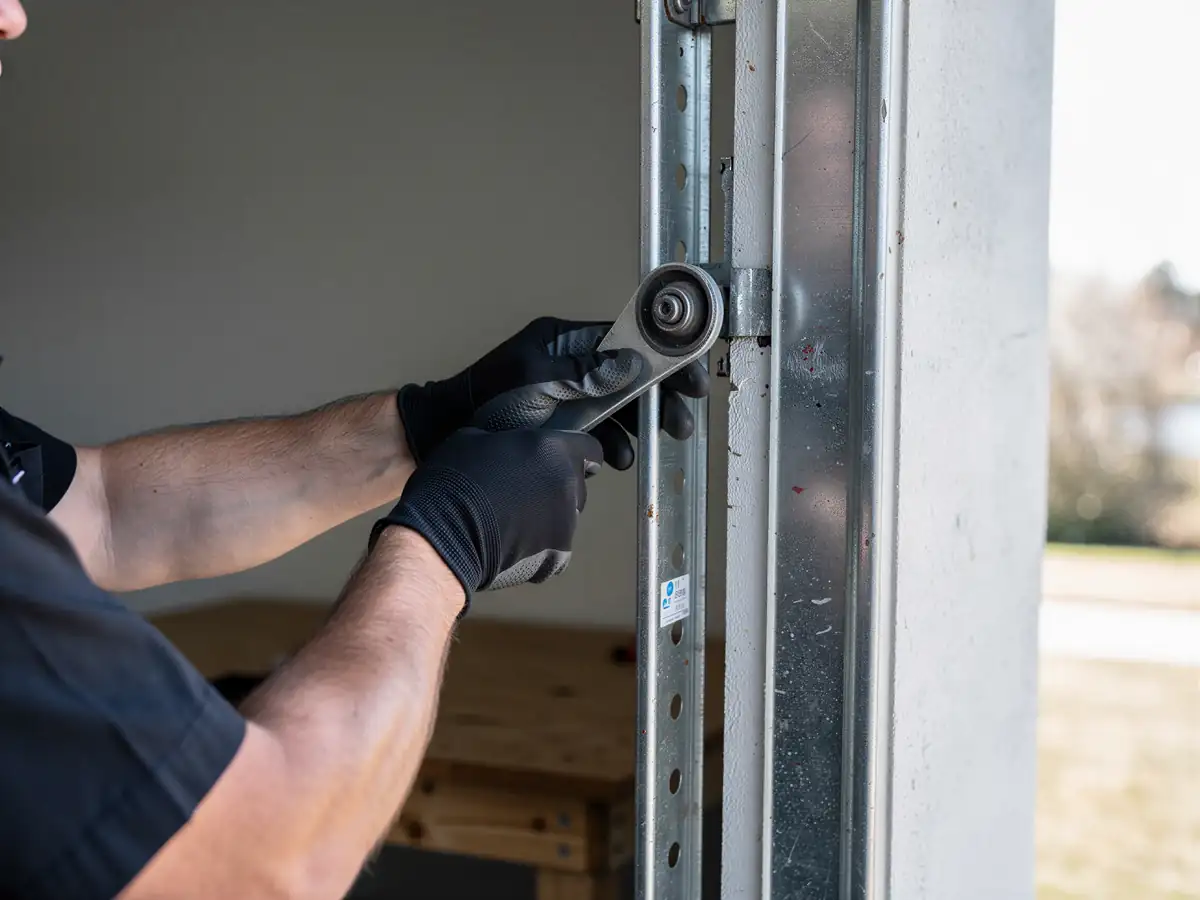
A garage door built in the mid-1980s is heavier than it looks, and the torsion spring holding that weight up is under enough tension to break a finger or worse if you don't know how to wind it down first. Swapping one panel also usually means pulling the end stiles and reseating the hinges and roller brackets on either side, which on a 1986-era door means you're working with rolled-steel track and hardware that's been sitting in a cold garage for close to 40 years. Bolts snap. Brackets that look fine crack the moment you put torque on them.
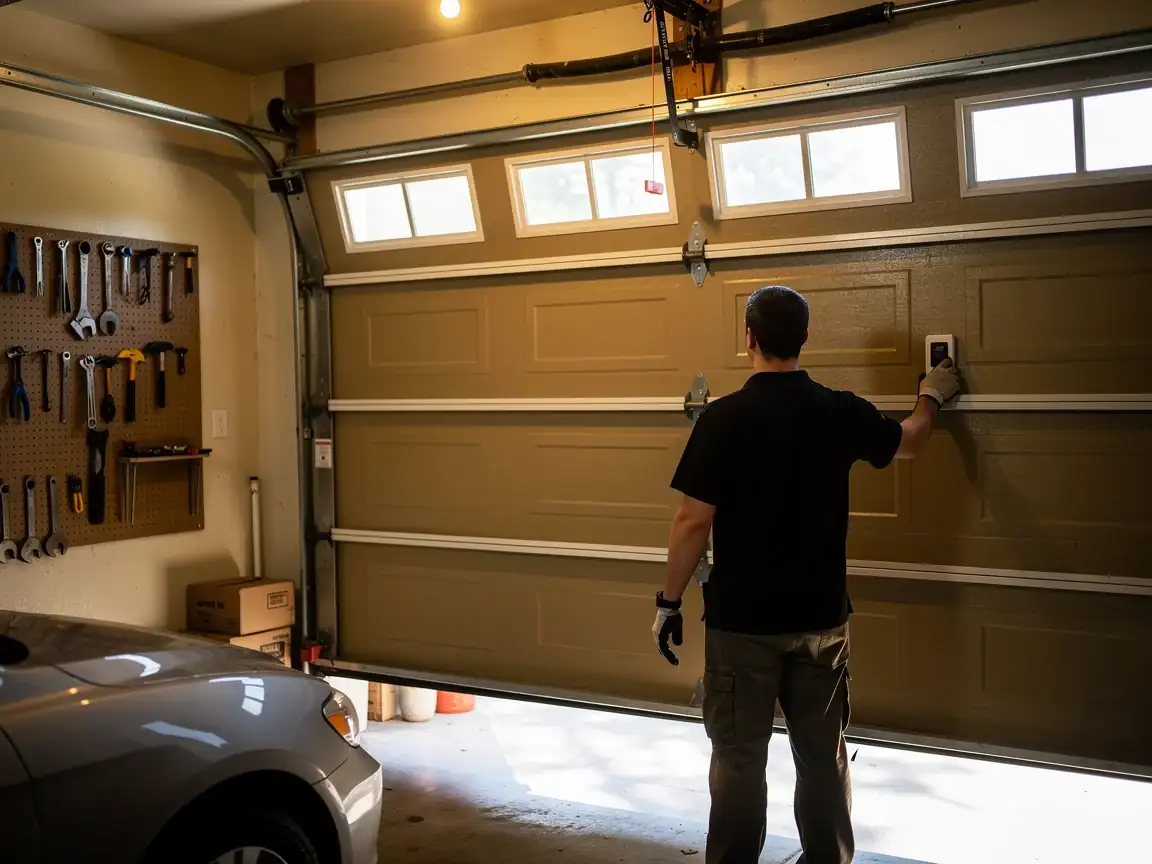
If the job is cosmetic - a dent from a backed-into bumper, no bend in the track - a handy owner can sometimes manage it with the door disconnected from the opener and blocked up safely. If there's any twist in the panel or the door doesn't sit flush when it closes, that's a sign the track or hinge alignment moved, and that's not a bolt-it-back-together fix. We'd rather walk you through what to check over the phone than have you find out the hard way that the spring side came loose.
The Complications
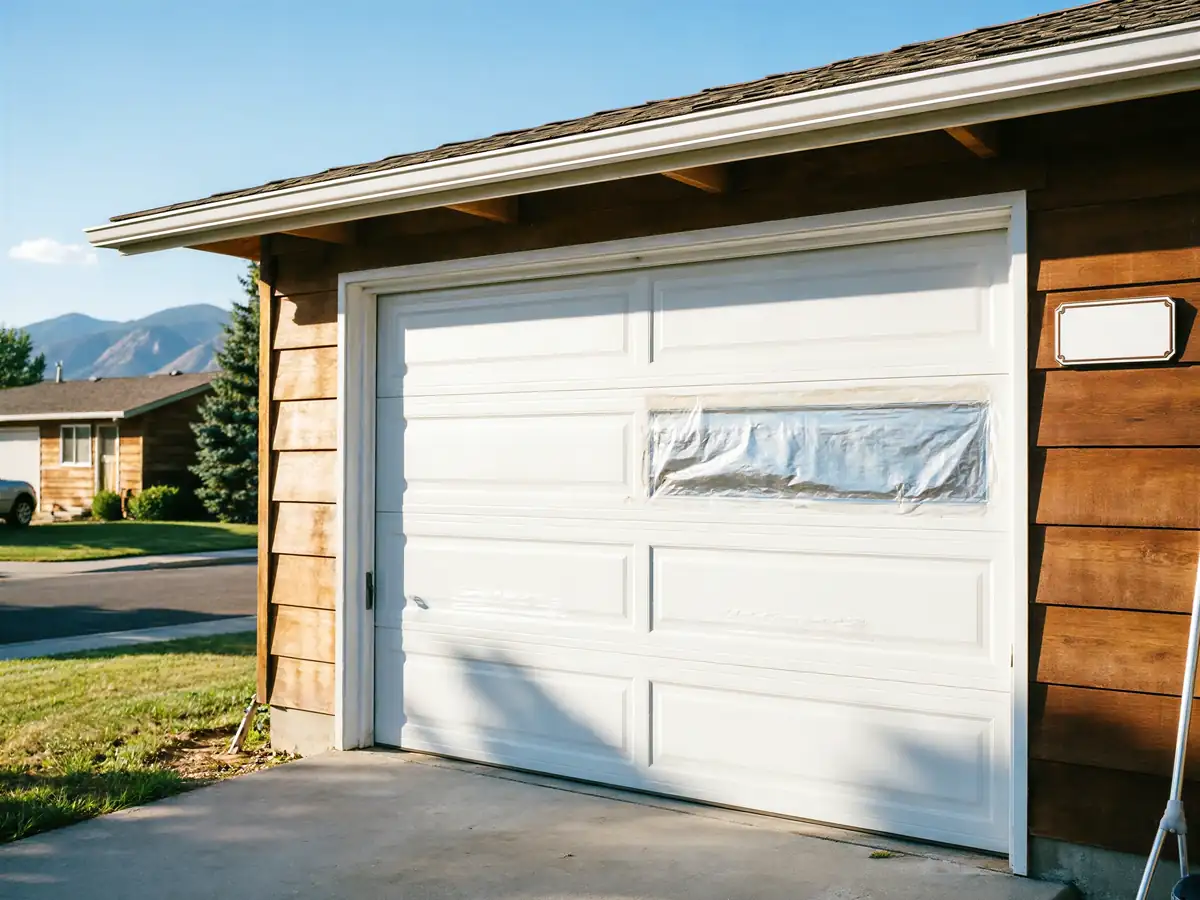
The biggest complication on a Mountainaire door isn't the labor, it's finding a panel that actually matches. Doors from the 1985-1991 build era used steel gauges and rib spacing that manufacturers have changed more than once since, and paint finishes from that period have usually faded or chalked in a way no new panel will match without a full repaint of the door. We can tell you honestly: an exact color match on a 35-plus-year-old door isn't something we can promise.
The other complication is the foam core. Doors from this era often used a different insulation bond than current doors, and after enough freeze-thaw cycles the foam can separate from the steel skin without any visible dent - the panel just feels soft when you press on it. If that's happening on the panel next to the one you're replacing, we'll flag it, because it changes whether a one-panel repair holds up through another winter or just buys you a year.
What You Are Seeing
Most of the calls we get for panel trouble out here fall into three patterns
The first is a straight impact dent - a mirror, a trailer tongue, a kid's bike - isolated to one section with the rest of the door tracking fine. The second is a bowed or bubbled panel with no obvious impact, which on a door from the 1985-1991 stock usually means the foam core has delaminated from repeated cold cycling and the steel skin is no longer braced from behind.
The third is a panel that's cracked along the bottom rib where water collects and freezes in winter
On an older door with a worn bottom seal, water gets up under the panel edge, sits there overnight, and the ice expansion splits the seam. None of these three need the same fix - a dent can sometimes be left alone if it's not affecting the roller track, but a split seam only gets worse and is worth replacing before it spreads to the hinge bolt holes.
The Cost of This Job
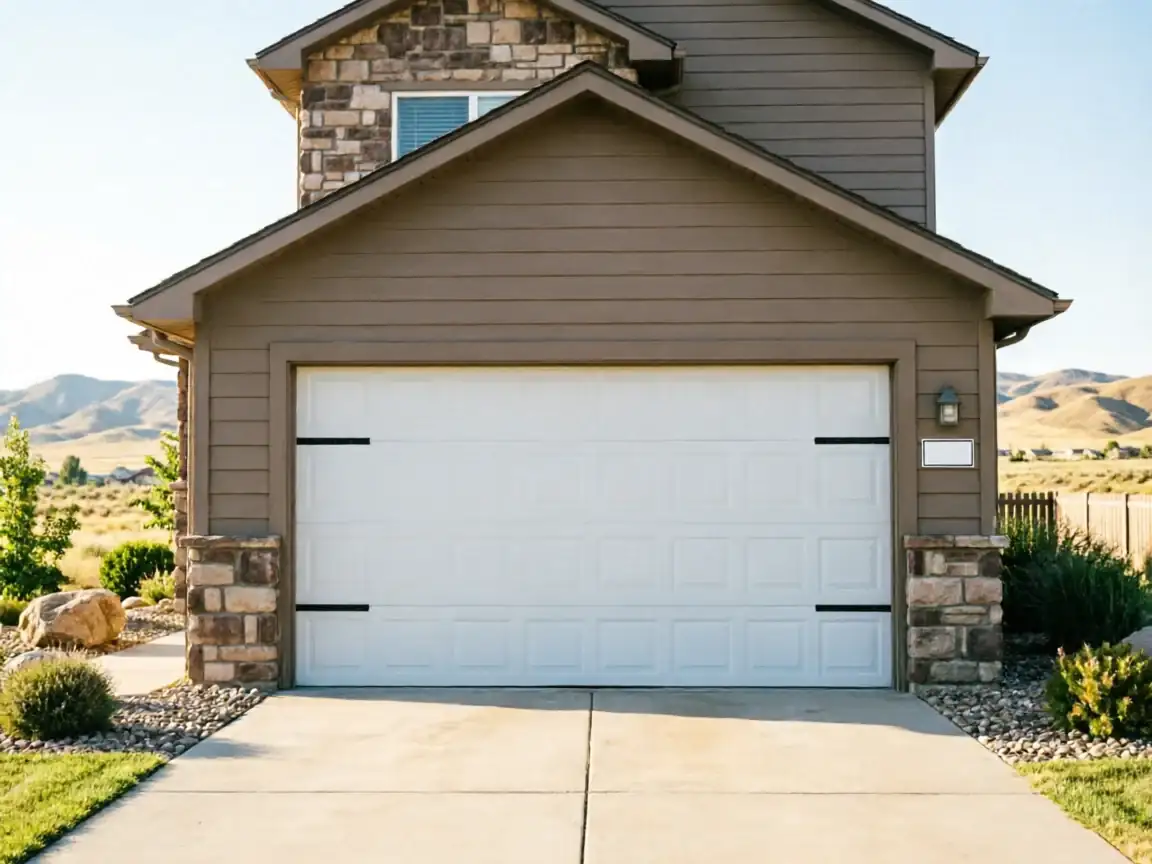
We don't post panel prices here because they depend entirely on what we find once we match the door - section width, insulation type, and whether the hinges and rollers on that side need replacing along with the panel. What we can tell you is how the decision usually plays out in a town where the housing stock skews to one era: on a door built around 1986, a single clean panel swap is often worth doing, but two or more damaged sections, or a cracked seam plus soft insulation on the neighboring panel, usually pushes the math toward a full door.
Across the wider service area there are 4,536 owner-occupied houses we see this pattern in, and Mountainaire's 494 households sit right in the middle of that same build era, so the parts question comes up here as often as anywhere else we drive to. We'll give you both numbers - repair and replace - before we start, not after.