How Long It Takes
Mountainaire is six miles out from our Flagstaff shop
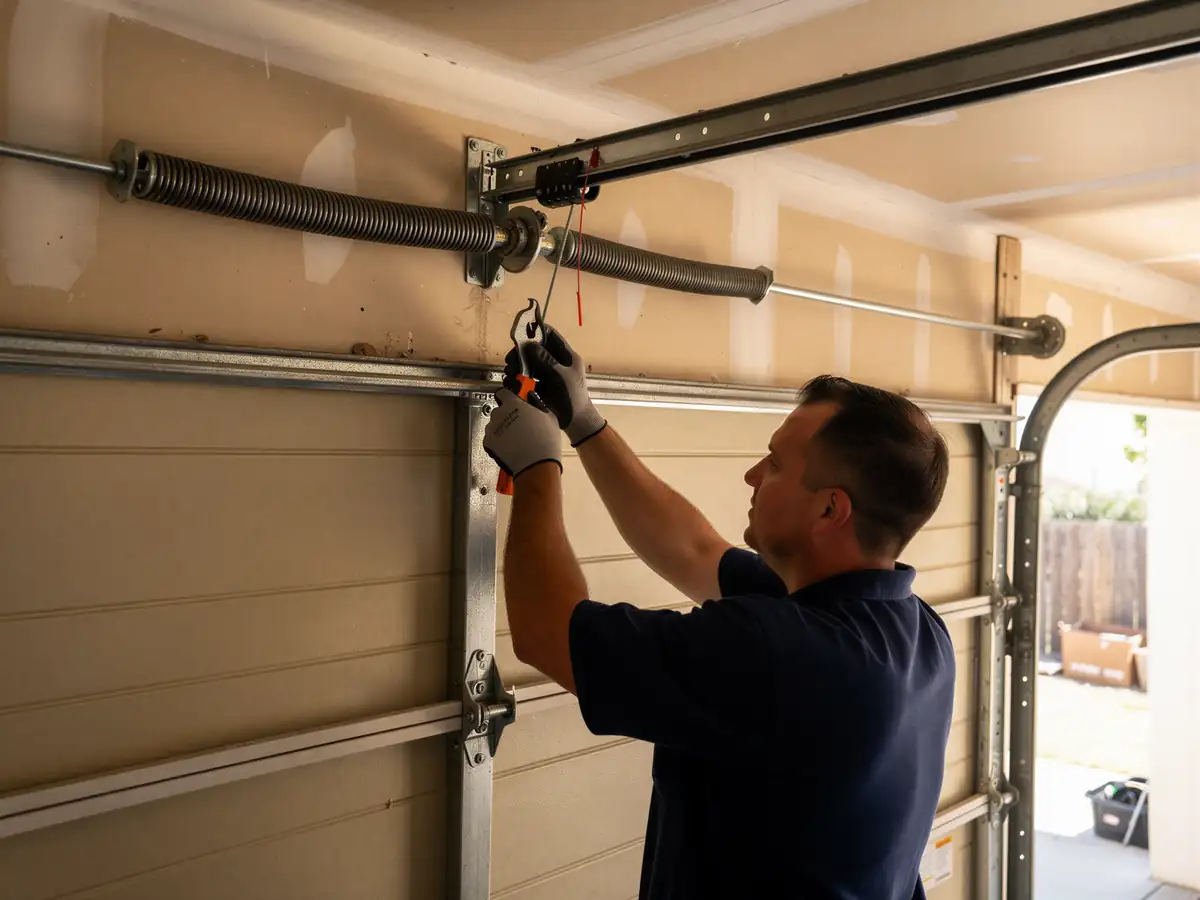
Which is short enough that a maintenance call here doesn't eat the whole afternoon the way a trip to Munds Park at seventeen miles does, or even Fort Valley at twelve. That matters more than it sounds like it should, because it's the difference between a tech who's rushing to make the drive back and one who actually has time to run a full check on your torsion springs, track alignment, and opener force settings.
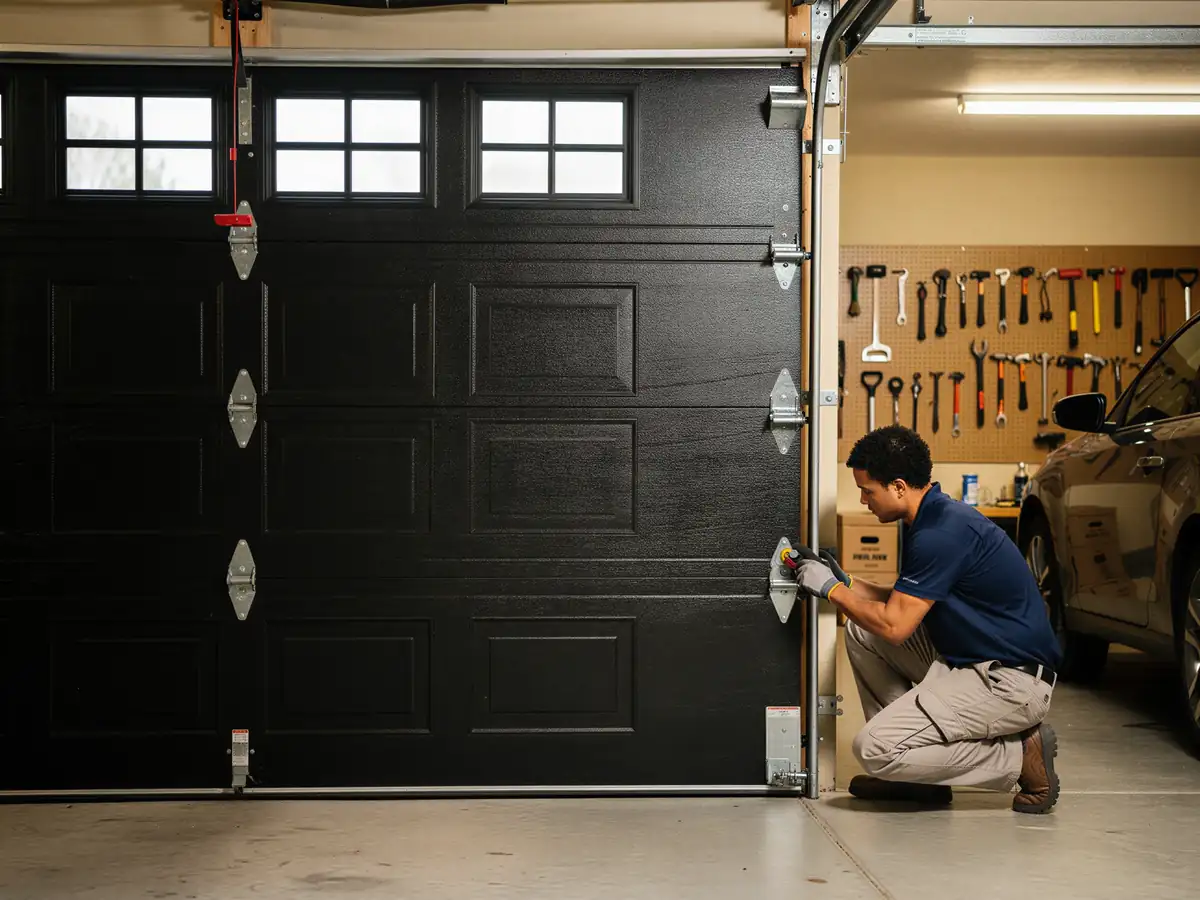
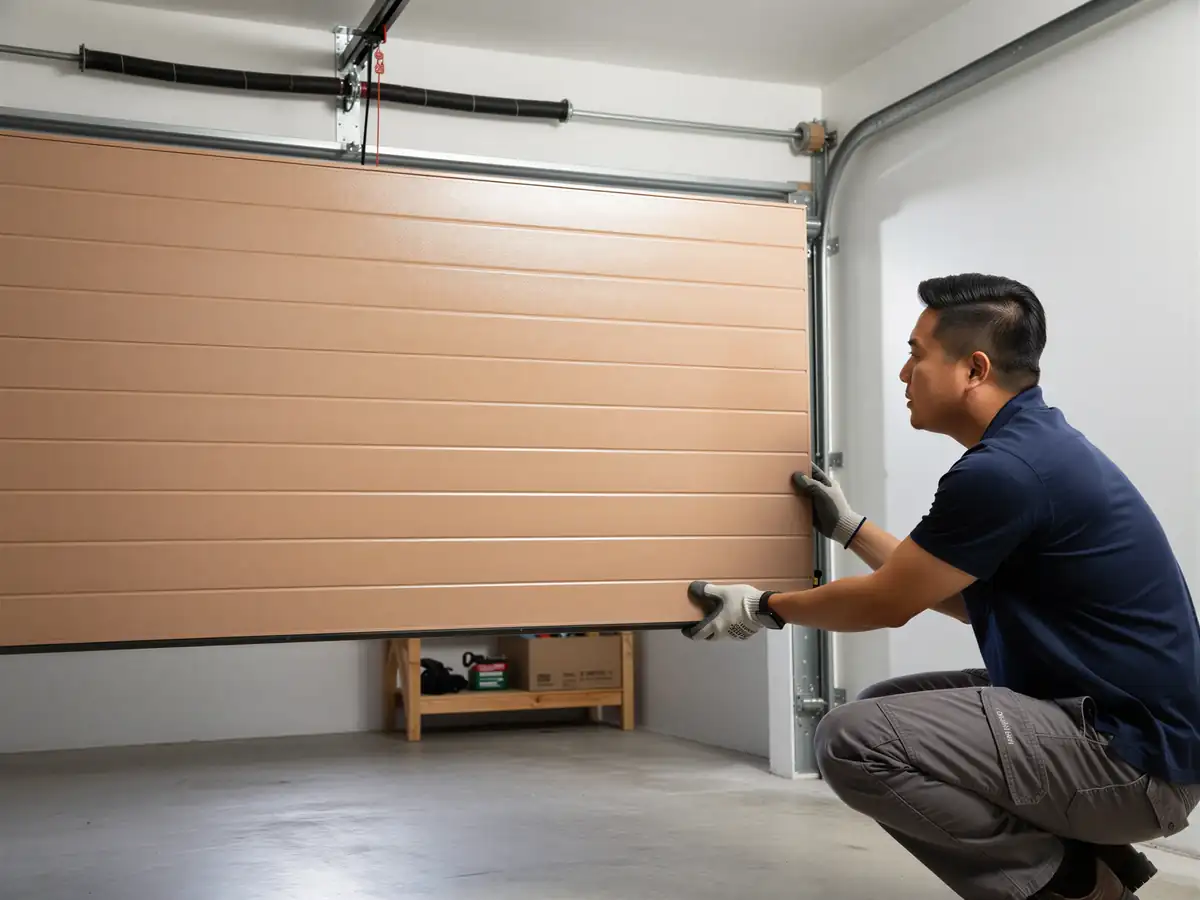
A standard maintenance visit on one door runs under an hour once the truck is in the driveway
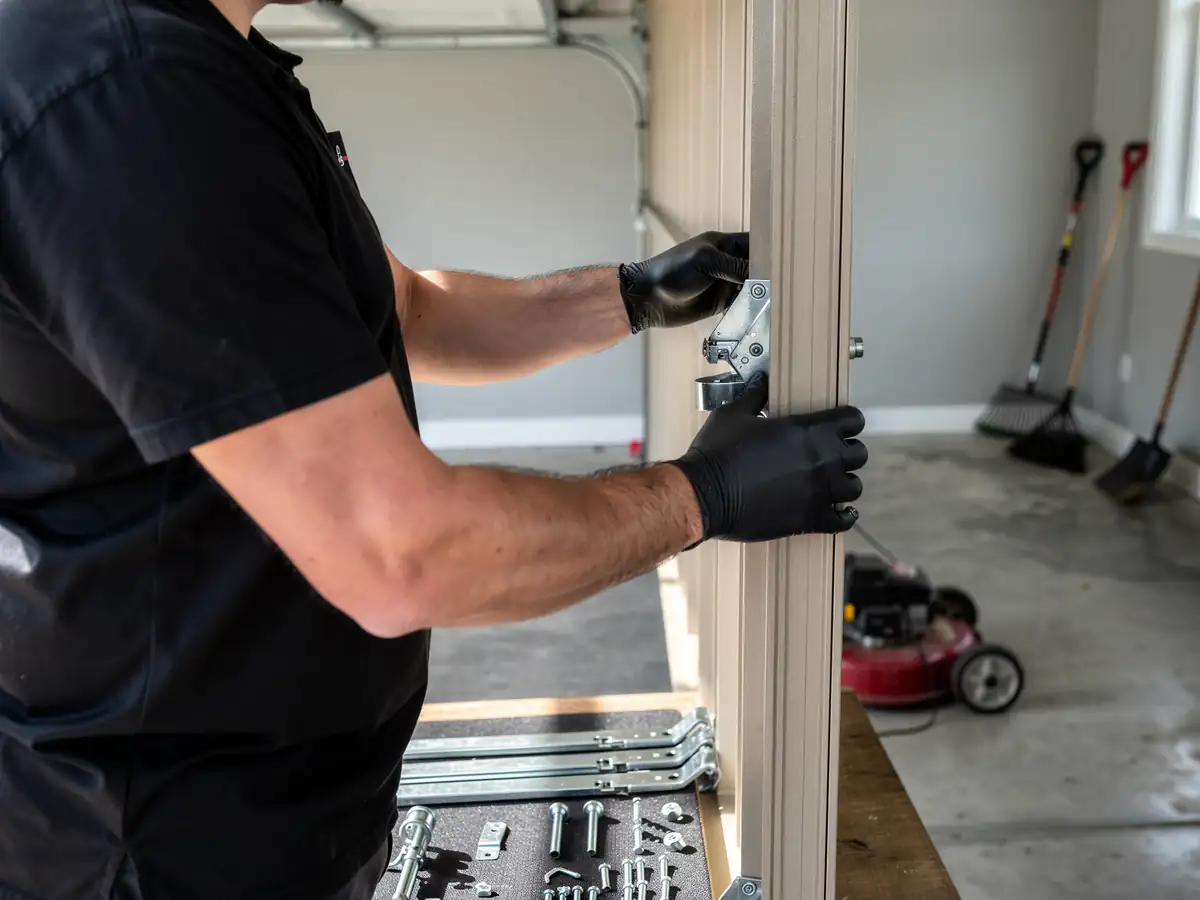
Two doors, or a door that's showing a problem beyond routine wear, takes longer because we're not going to lubricate over a cracked roller and call it done. Scheduling is the other half of "how long" - because Mountainaire is close in, we can usually slot it in alongside other calls in that direction rather than dedicating a whole trip to one house, which keeps the wait for an appointment shorter than it would be for the more distant areas we cover.
We won't pretend every visit is identical
A door that hasn't been touched since it was installed takes longer to get back into shape than one we've serviced before.
For repair work rather than routine maintenance
See our Mountainaire garage door repair page.
Can You Do This Yourself
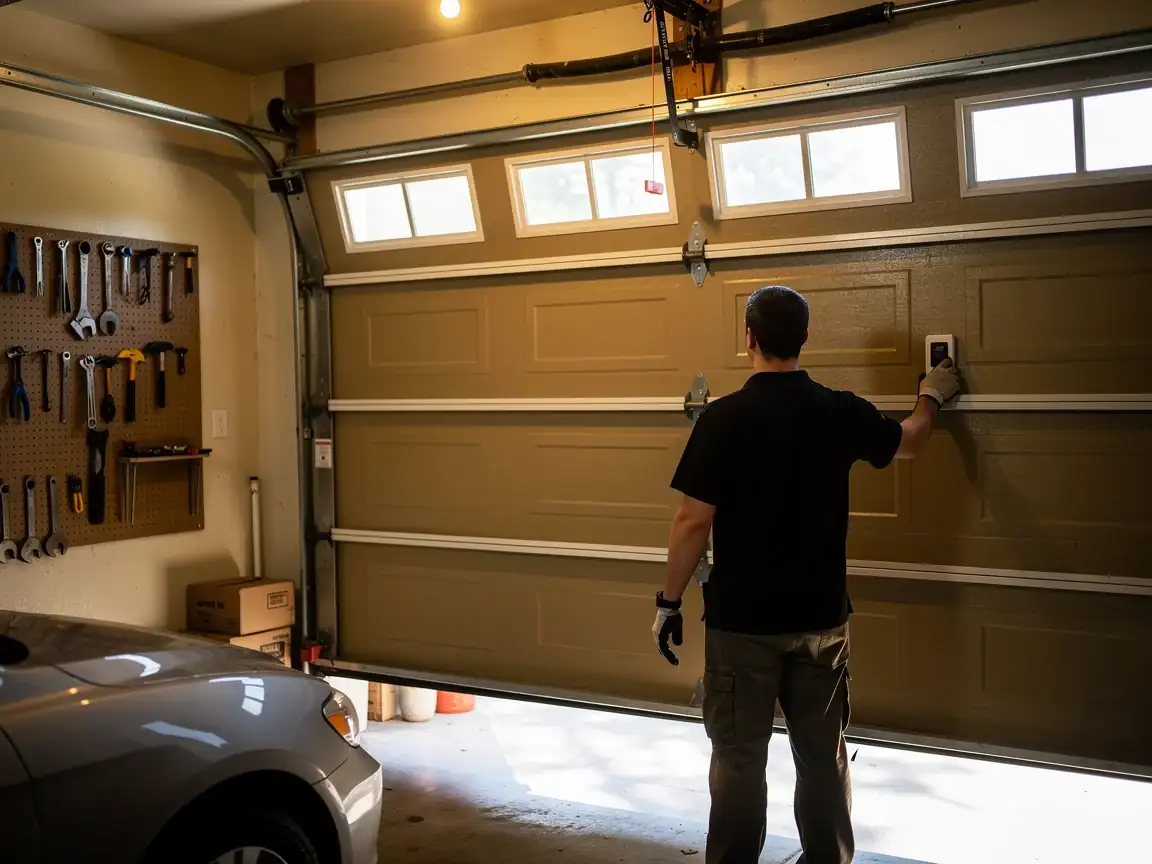
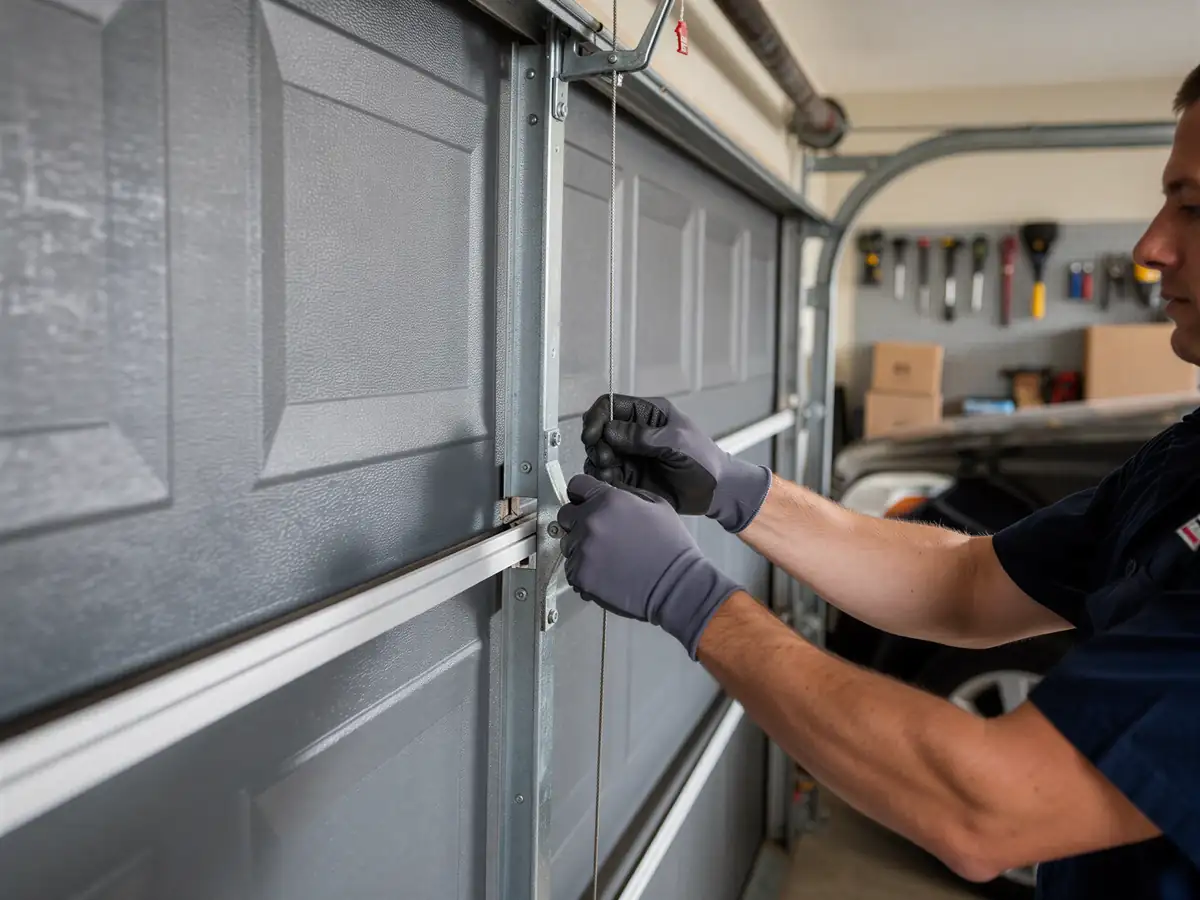
Some of it, yes. Wiping down the tracks, checking that the photo-eye sensors near the floor are clean and aimed at each other, and listening for grinding or scraping when the door runs are all things any homeowner can do without a ladder or a wrench. Visually checking the cables for fraying is worth doing too - if you see strands sticking out, stop opening the door and call someone.
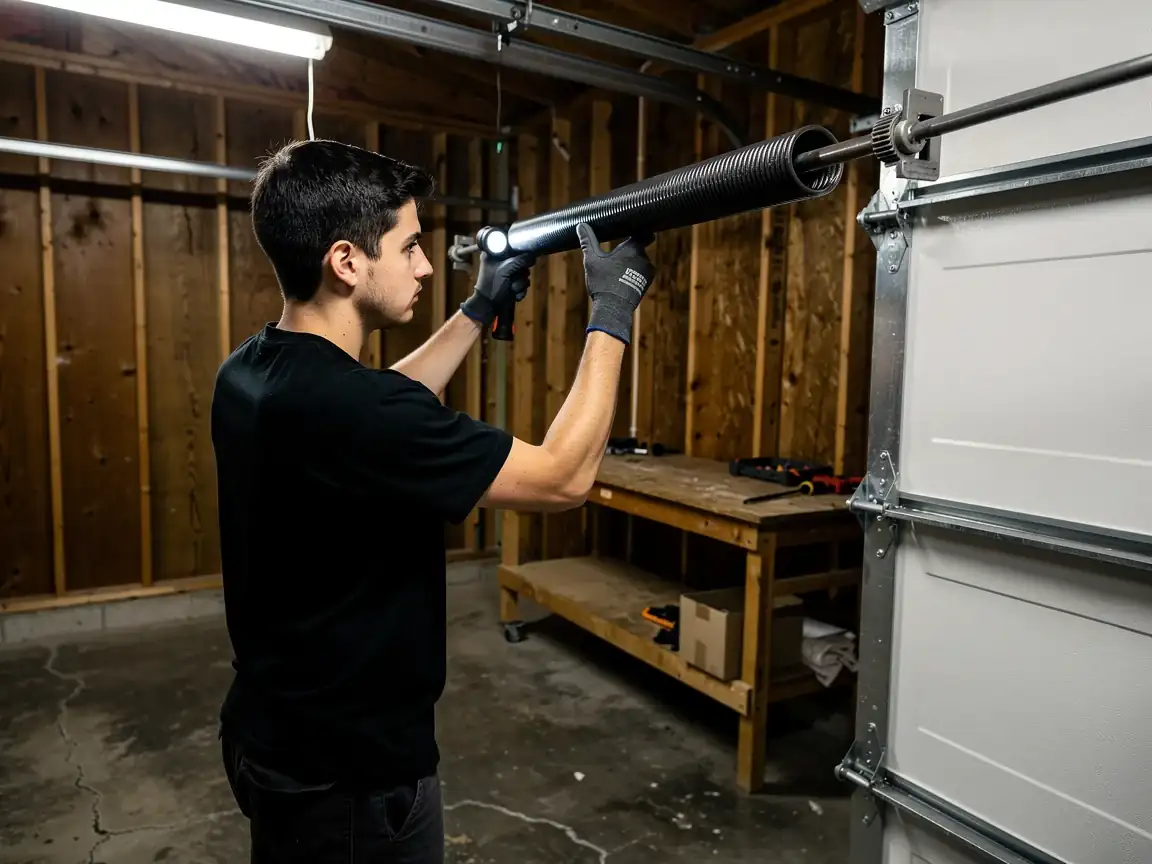
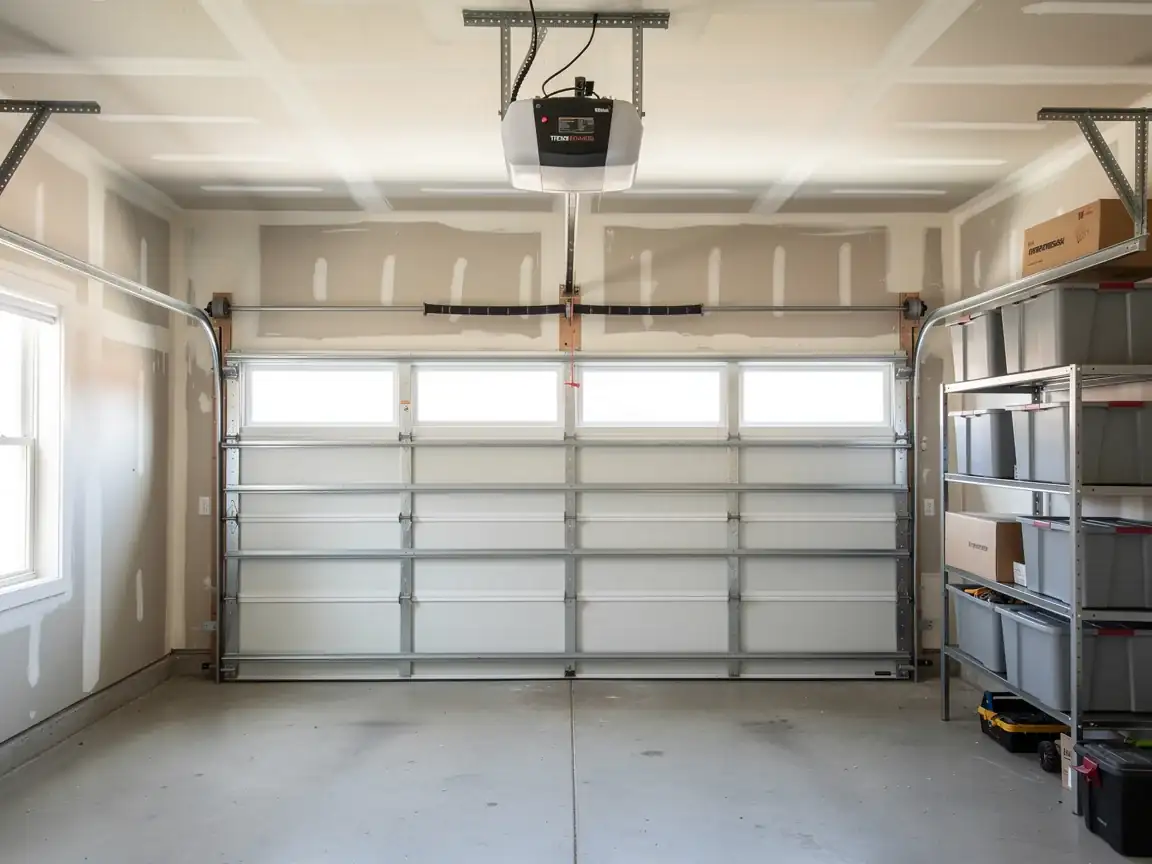
What you shouldn't touch is the torsion spring system. These springs store a lot of force, and on the doors common in Mountainaire - original hardware from the mid-1980s build era - that spring has had roughly forty years to fatigue. Adjusting or replacing a spring under tension without the right bars and clamps is how people end up in the emergency room, not a job for a Saturday afternoon.
Lubrication is a gray area. A light spray of the right lubricant on rollers and hinges is fine for an owner to do every few months. The mistake we see most is people using WD-40, which strips old grease rather than replacing it, or skipping lubrication entirely until the door starts groaning in cold weather.
The Complications
Most of the housing in Mountainaire went up around 1986, which means a lot of the original garage door hardware out there is pushing forty years old. Doors from that era were built to a lighter standard than what's sold today - thinner torsion springs, steel rollers instead of nylon, and openers without the modern force-limiting safety features. None of that is automatically a problem, but it does mean a maintenance visit here often turns up wear that a newer door in a newer neighborhood wouldn't show yet.
The cold is the other factor. This area sits in a severe cold climate band, and that affects garage doors in specific ways: grease hardens and slows the opener's travel, rubber weatherstripping at the bottom of the door cracks and loses its seal, and metal components contract enough that alignment that was fine in summer can bind in January. A door that's a little out of adjustment in July can bind hard enough to trip the opener's safety reversal in deep winter.
With around 494 households in Mountainaire, it's not an area where we're seeing dozens of identical doors a week - the mix of original 1980s hardware and later replacements means every visit starts with figuring out what's actually installed before deciding what it needs.
What You Are Seeing
If your door is original to a house built in the mid-1980s
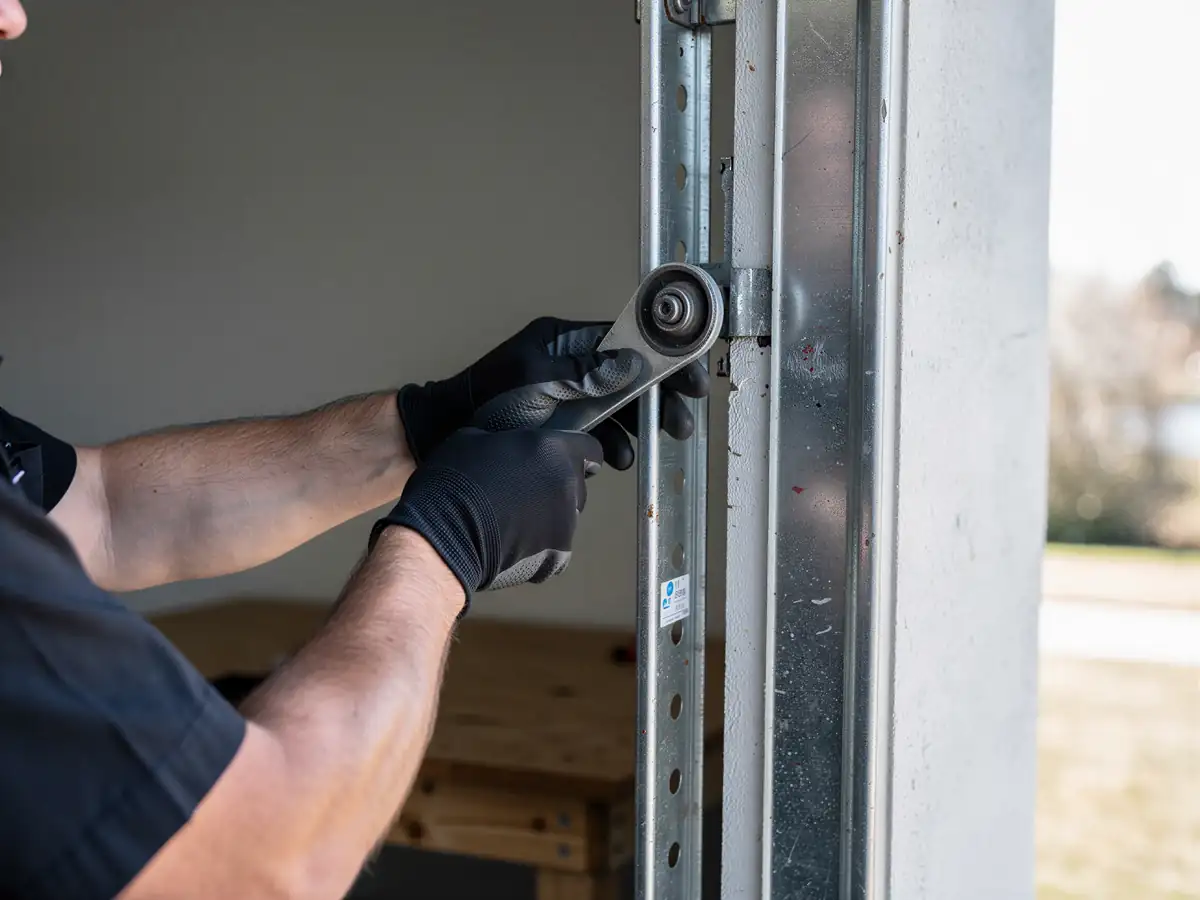
The signs to watch for are specific to hardware that age. A spring that looks fine but has lost tension will make the opener strain and groan during the lift - listen for the motor working harder than it used to. Rollers worn down from close to forty years of cycles will rattle in the track and leave the door riding unevenly, sometimes visibly tilted at one corner when it's partway open.
Cracked or flattened weatherstripping along the bottom edge is common on doors this age, especially after a cold winter
And it's an easy thing to miss because it doesn't affect how the door operates - it just lets in cold air and the occasional draft of snowmelt. Grease that's turned gummy and dark on the torsion shaft, rather than a smooth even coat, is another sign of age plus repeated cold-to-warm cycling.
A door that reverses on its own partway down
Or one that's noticeably slower to open than it used to be, is worth a call rather than a wait-and-see. Those are both things that get worse, not better, on their own.
The Cost of This Job
We don't have a flat number to quote here, because what a maintenance visit costs depends on what the door needs once we're looking at it - a basic tune-up on a door that's been kept up is a different job than one where a spring is near the end of its life or rollers need replacing outright. We'd rather tell you that honestly than post a number that doesn't hold up once we're in your garage.
What we can say is that routine maintenance is cheaper than letting problems sit. A door with original 1980s-era hardware that's never been serviced is more likely to need a spring replacement sooner than one that's been checked regularly, and a spring failure is a bigger, more urgent repair than a lubrication and adjustment visit would have been.
For general service pricing across the area we cover from Flagstaff, our garage door maintenance page has more detail on what's included in a standard visit.